
What are the Best Digital Nomad Family Destinations in 2026?
The best digital nomad family destinations in 2026 are places that are safe, sunny, and easy with kids, like Koh Phangan, Chiang Mai, Bali, Lisbon, Tenerife, Costa Rica, and Singapore. They offer good schools, decent visa options, reliable Wi-Fi, and a real community of other families.
We’ve lived in several of them with our two girls.
Why These Digital Nomad Family Destinations Work So Well
Digital nomad families are so different from typical tourists. We stay in one place for months, we create temporary homes and build real lives wherever we go. That’s why we need more than just a nice hotel and some sightseeing spots. We’re looking for places where the whole family can actually live!
So here they are, the destinations that actually work, our own top picks included. Hopefully it makes the next decision easier.
Our Quick Picks
🏡 Start with one region (like Southeast Asia) and slowmad around nearby hubs.
🏝️ Read my Full-Time Family Travel Guide.
🏥 Don’t skip travel health insurance – we use SafetyWing as our backup plan.
💸 Learn How to Make Money While Traveling the World.
What Makes a Great Digital Nomad Family Destination in 2026
A great digital nomad family destination needs to be safe, easy to get around, and friendly for kids. I always look for warm weather, good Wi-Fi, English-speaking communities, simple long-stay visas, and high-quality international schools.
A place should feel relaxed enough for daily life, not just a holiday. These are the things that helped us choose where to live with our girls since 2019.
Best Digital Nomad Family Destinations in 2026 at a Glance
Here is the quick overview first. These are the places that work well for families because of their mix of safety, weather, schools, cost, and community.
Safest and Most Affordable Digital Nomad Family Hubs
If safety and budget are your biggest questions, you’re not alone. The safest and most English-friendly hubs are Singapore, Copenhagen, Lisbon, Tenerife, and Auckland. But they also cost more. If you want something affordable without giving up comfort, Chiang Mai, Koh Phangan, Tbilisi, Medellín, and parts of Costa Rica are excellent choices for families who slow travel.
The Best Destinations for Digital Nomad Families
1. Koh Phangan, Thailand
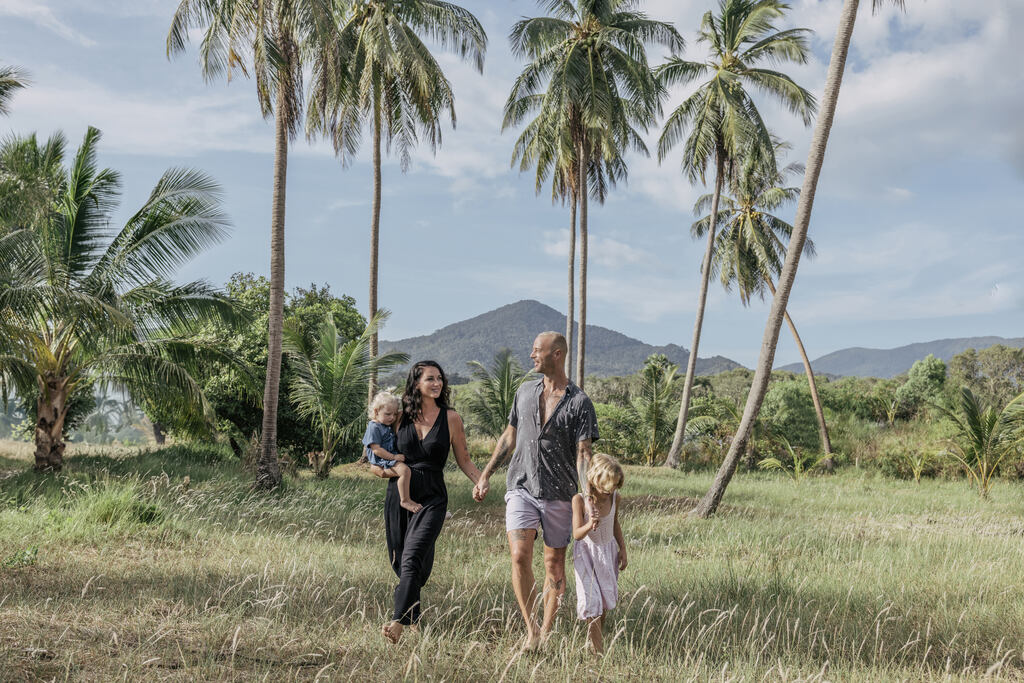
- Location: Koh Phangan is in the Gulf of Thailand, about 12 km north of Koh Samui.
- Population: Around 13,000 residents, though this number rises with tourism.
- Infrastructure: The island has basic infrastructure, including roads, schools, hospitals, and reliable Wi-Fi. It’s a popular digital nomad spot.
- Languages spoken: Thai is the primary language, but English is widely spoken thanks to the tourism industry.
What Makes it Special?
Koh Phangan has this calm, friendly vibe that’s hard to beat. You get beautiful beaches, jungle hills, and so much space for kids to explore. Half the island is a national park, so it still feels wild and natural. Outside of Full Moon Party days, life here is peaceful, with meditation spots, nature walks, and lots of other families around. It’s one of the best slowmad hubs in Southeast Asia.
If you’re wondering what to do with the kids once you arrive, there’s a great guide on the best things to do in Koh Phangan to help you plan your first few weeks.
Find my guide on the best kids’ activities in Koh Phangan here.
How Safe is Koh Phangan?
Koh Phangan is generally safe, especially if you avoid the Full Moon Party area during peak nights. The main thing to watch is road safety, narrow roads and many new motorbike drivers. Petty scams can happen around rentals and tours, but violent crime is rare. Medical care on the island is fine for small things, and the better hospitals are in Koh Samui, just a 30-minute ferry ride away.
Cost of Living in Koh Phangan
A digital nomad family can live a simple life on Koh Phangan for $3,500 to $5,500 (€3,220 to €5,060) per month. Our own cost of living is higher, and you can see the full breakdown in this article.
Rent for a basic Thai house is usually between $1,000 and $2,000 (€920 to €1,840), and utilities stay low. Eating out is very affordable, with local meals for $2 to $4 (€1.80 to €3.70). Western restaurants cost more.
👉 Check out my favorite family stays in Koh Phangan here.

Education in Koh Phangan
Koh Phangan offers a few great international school options for expat and digital nomad families. The standout is Si Ri Panya International School, which follows the British curriculum for children aged 5 to 16.
Find my guide with all international schools in Koh Phangan here. And here’s my list of all international kindergartens on the island.
Visa Options
For families planning a long stay, the Destination Thailand Visa (DTV) allows 5-year stays. You can also apply for a dependent visa if your child attends a licensed school and gets a student (ED) visa.
👉 My favorite Koh Phangan articles:
– Thailand: Best 7-Day Koh Phangan Family Itinerary
– 31 Best Things to Do in Koh Phangan
– Navana Water Healing Center Koh Phangan
2. Chiang Mai, Thailand
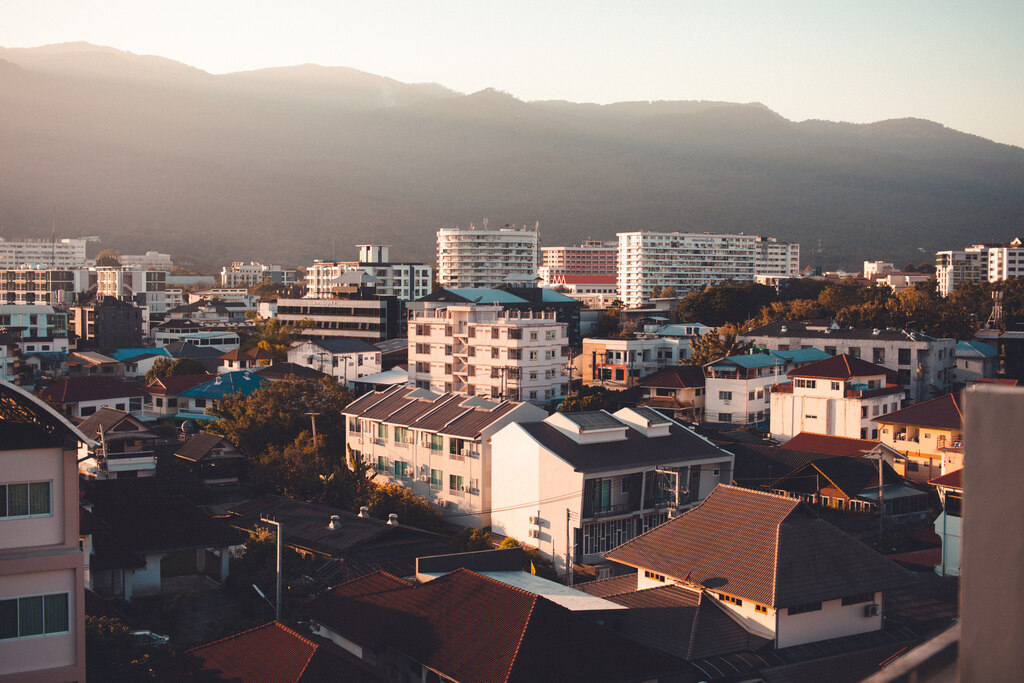
- Location: Chiang Mai is in Northern Thailand, about 700 km north of Bangkok.
- Population: Roughly 130,000 residents in the city, with over a million in the greater metropolitan area.
- Infrastructure: Chiang Mai has a well-developed infrastructure with hospitals, schools, co-working spaces, shopping malls, and reliable public transportation.
- Languages spoken: Thai is the primary language, but English is commonly spoken in tourist areas and by the expat community.
What Makes it Special?
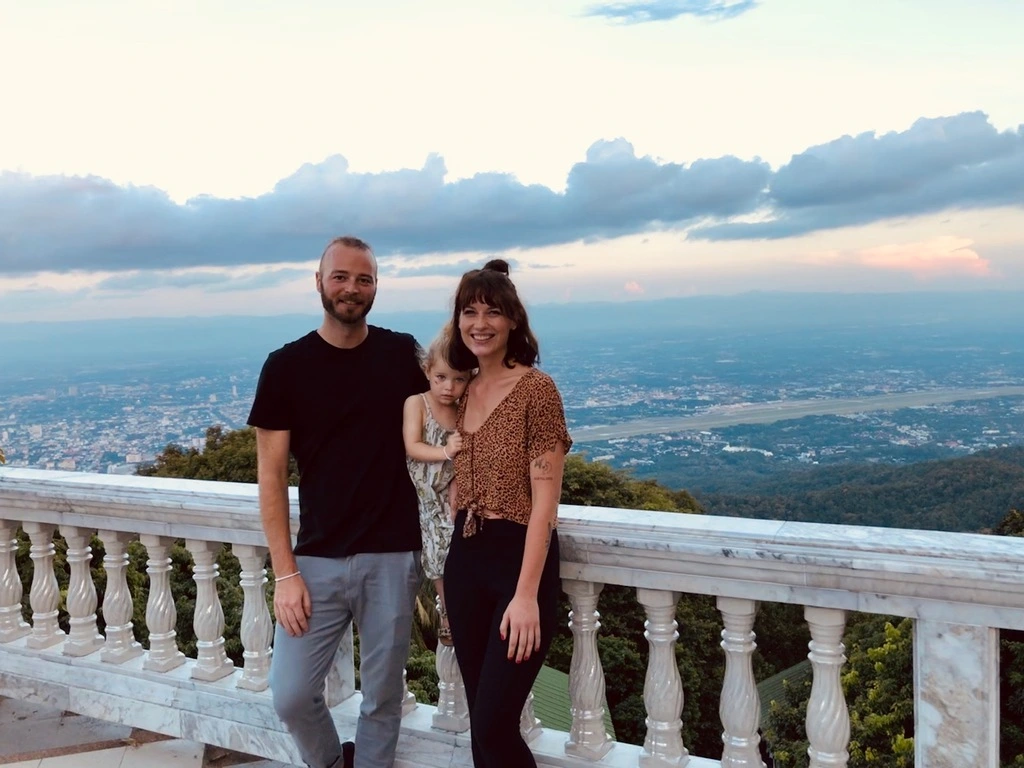
Chiang Mai has this lovely mix of old temples and modern city life. Winter is cooler with temperatures around 15 to 28 degrees, which feels amazing after the heat in the south. The city is full of culture, markets, and easy day trips into nature. It is relaxed, friendly, and a great place for families.
If you’re thinking about living in Thailand with kids long-term, Chiang Mai is one of the easiest cities to settle into.
I put our favourite family activities in Chiang Mai right here.
How Safe is Chiang Mai?
Chiang Mai is known as one of the safest cities in Thailand. Violent crime is very rare, and the city feels welcoming for expats and tourists. The biggest things to watch are scooter accidents and petty theft in busy areas. Healthcare is excellent with many good private hospitals.
Cost of Living in Chiang Mai
A family usually spends between $2,500 and $3,500 (€2,300 to €3,220) per month. Rent for a simple two bedroom house or apartment is between $600 and $1,200 (€550 to €1,100). Food and transport are also very affordable.
👉 Plan your Chiang Mai Trip here!
Education in Chiang Mai
Chiang Mai has many good international schools. Lanna International School and Chiang Mai International School follow the British or American curriculum. Fees are lower than in Bangkok but higher than on the islands, and you can find options from preschool to high school. Many schools offer bilingual education in Thai and English.
Visa Options
Chiang Mai offers the same visa options as the rest of Thailand, including the DTV Visa for Digital Nomads. The Thailand Elite Visa is another option for long and easy stays. We chose this visa and really enjoy it.
3. Bali, Indonesia
- Location: Bali is an Indonesian island in the Lesser Sunda Islands, east of Java.
- Population: Around 4.3 million people.
- Infrastructure: Bali’s infrastructure is a mix of modern and traditional, with an international airport, hospitals, schools, and co-working spaces. Traffic can be extremely heavy, especially in tourist hotspots.
- Languages spoken: Balinese and Indonesian are the main languages, but English is widely spoken in tourist areas.
What Makes it Special?
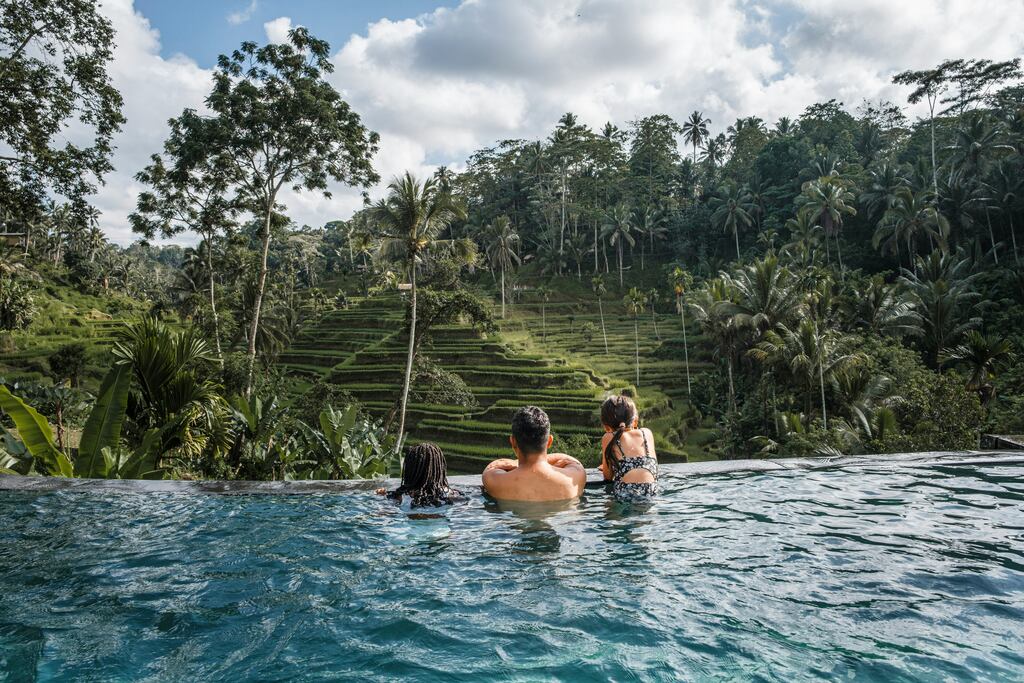
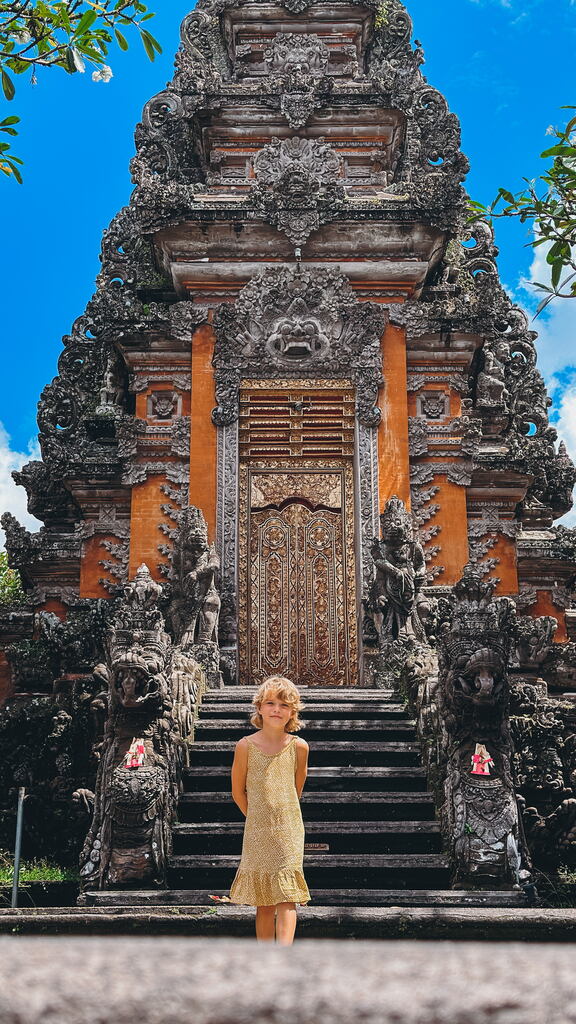
Bali is stunning. You get beaches, rice fields, temples, and warm tropical weather around 27°C (80°F) all year. The dry season from May to September is perfect for exploring waterfalls and beginner surf spots. We lived in Bali for three months with our girls and loved the mix of nature and culture.
How Safe is Bali?
Bali is very family-friendly. The main things to watch are pickpocketing in crowded areas and traffic, especially when people learn to ride a motorbike. Healthcare is good, and there is a big expat and digital nomad community that makes life easier.
Cost of Living in Bali
A family usually spends between $2,500 and $5,500 (€2,300 to €5,060) per month. Renting a villa is between $1,500 and $3,500 (€1,380 to €3,220) depending on the area. Local warungs are very affordable, with meals for $2 to $4 (€1.80 to €3.70).
Western restaurants cost more and are usually $10 to $20 (€9.20 to €18.40) per meal.
Here’s a breakdown of our monthly cost of living in Ubud and Canggu.
👉 Check out the best family resorts in Bali
Education in Bali
Bali has several well known international schools. Green School is famous for its eco friendly approach, and Canggu Community School follows the British curriculum. You can find options from early years to high school, but tuition varies a lot and can be very expensive.
Visa Options
We chose the B211 single-entry visa for our stay in Bali. It starts with 60 days and can be extended twice for a total of 180 days. Families can also apply for a KITAS (temporary stay permit). For more details, visit imigrasi.go.id.
4. Lisbon, Portugal
- Location: Lisbon is the capital city of Portugal, on the Atlantic coast.
- Population: About 550,000 residents, with around 2.8 million in the metro area.
- Infrastructure: Lisbon has a modern transport system, hospitals, co-working spaces, and an international airport.
- Languages spoken: Portuguese is the main language, but English is widely spoken, especially in tourist areas.
What Makes it Special?
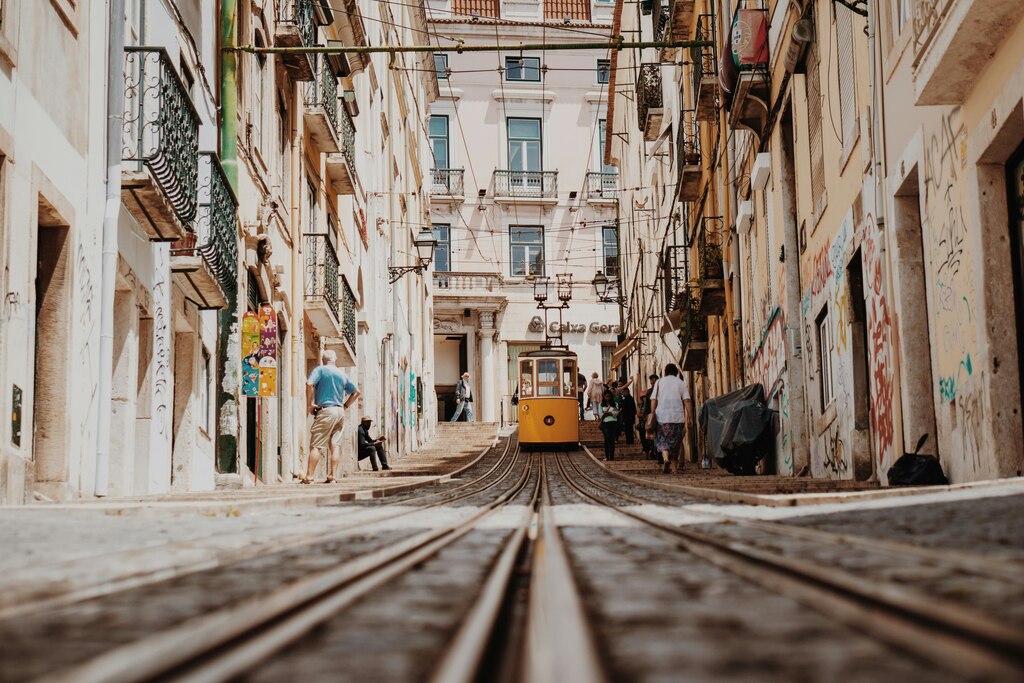
Lisbon has more than 300 sunny days a year and feels warm and welcoming. You get old cobblestone streets, bright trams, beach access, and cosy parks and cafes. It is one of the best digital nomad family spots in Europe if you want culture, ocean views, and an easy lifestyle.
How Safe is Lisbon?
Lisbon is one of the safest cities in Europe. Violent crime is very rare. The main thing to watch is pickpocketing in busy tourist areas. Healthcare is excellent, and the city feels very friendly for families.
Cost of Living in Lisbon
A family usually spends between $4,000 and $7,000 (€3,680 to €6,440) per month. Rent for a family apartment is between $1,500 and $3,000 (€1,380 to €2,760). Eating out at simple restaurants costs $10 to $20 (€9.20 to €18.40) per person.
👉 Recommended places to stay in Lisbon with kids
Education in Lisbon
Lisbon has several good international schools. Carlucci American International School and United Lisbon International School are two popular choices, and both teach in English. Portuguese public schools are also an option, especially if you want your older kids to learn the language and join local life.
Visa Options
Portugal has two popular visas for families. The D7 Visa works well if you have steady income from abroad and want residency and access to public services. The Digital Nomad Visa is another option for remote workers. You can find the latest details on getgoldenvisa.com.
5. Tbilisi, Georgia
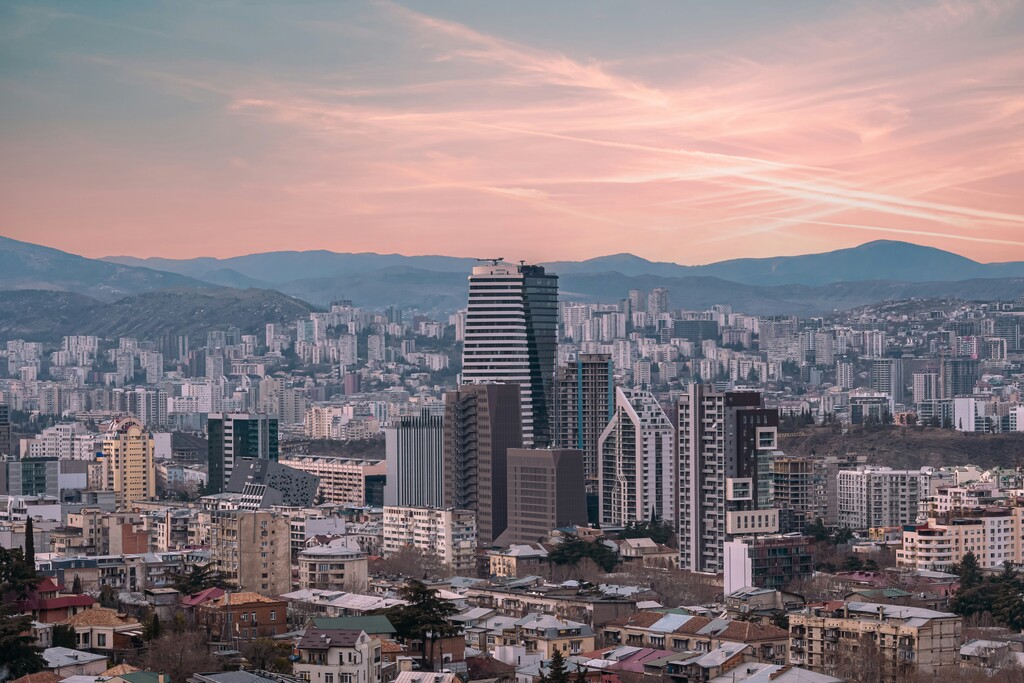
- Location: Tbilisi is the capital of Georgia, located along the Kura River.
- Population: About 1.2 million residents.
- Infrastructure: Tbilisi’s infrastructure is modern, with co-working spaces, public transport, hospitals, and an international airport. Wi-Fi is reliable and widely available.
- Languages spoken: Georgian is the primary language, but English is commonly spoken in tourist areas.
What Makes it Special?
Tbilisi is such a lovely surprise. It is affordable, friendly (even though I heard differently from travelers lately), and full of character. You get colourful old streets, amazing food, and a very welcoming local culture. Summers are hot, and winters are mild, which makes it easy to explore.
Georgia also has many ski resorts, so you can enjoy real winter fun just a short trip away.
How Safe is Tbilisi?
Tbilisi is very safe. Violent crime is rare, and most issues are simple pickpocketing in busy areas. Healthcare is improving every year, and private hospitals offer good services.
Cost of Living in Tbilisi
A family usually spends between $2,800 and $4,500 (€2,580 to €4,140) per month. Rent for a larger apartment is around $1,200 to $2,500 (€1,100 to €2,300). Georgian food is delicious and very affordable, with local meals for $5 to $7 (€4.60 to €6.40).
👉 Check out the best Tbilisi family stays
Education in Tbilisi
Tbilisi has several international schools, like QSI International School and British-Georgian Academy, that offer British or American curricula.
Visa Options
Georgia’s visa-free entry policy allows citizens from many countries to stay for up to a year. Families can also apply for residency permits for longer stays. Check eligibility and apply at geoconsul.gov.ge.

6. Mexico City, Mexico
- Location: Mexico City, the vibrant capital of Mexico, sits in the Valley of Mexico at an altitude of around 2,240 meters.
- Population: The city is home to about 9.2 million people, but the entire metropolitan area boasts over 21 million.
- Infrastructure: Mexico City has a well-developed infrastructure, including a metro system, international airport, hospitals, schools, universities, and plenty of co-working spaces. That said, traffic can be a challenge at times.
- Languages spoken: Spanish is the main language, but English is widely understood, especially in tourist spots and among the younger generation.
What Makes it Special?
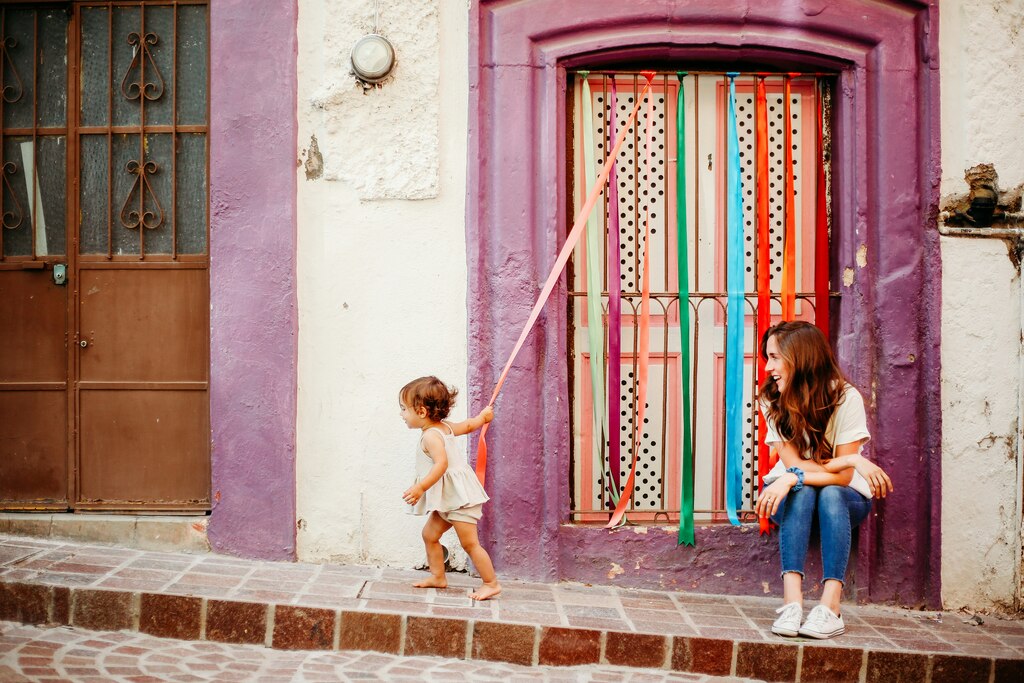
Mexico City is full of energy and culture. You get museums, parks, colourful markets, and some of the best food in the world. The city sits at a high altitude, so the climate stays mild around 64 to 66°F (18 to 19°C). It is easy to spend your days exploring neighbourhoods, cafes, and street food stalls.
How Safe is Mexico City?
Mexico City has a higher crime rate than many places on this list. Pickpocketing and scams are common in busy areas, and violent crime can happen in neighbourhoods that tourists rarely visit. Most expats and nomad families choose safer areas like Roma and Condesa.
Healthcare is very good, especially in private hospitals.
Cost of Living in Mexico City
A family usually spends between $2,500 and $4,000 (€2,300 to €3,680) per month. Rent in popular family areas is between $1,200 and $2,000 (€1,100 to €1,840). Local meals are very affordable at $5 to $10 (€4.60 to €9.20) per person.
👉 Browse family-friendly hotels in Mexico City
Education in Mexico City
Mexico City is home to several top-tier international schools, such as the American School Foundation and Peterson Schools. These schools provide a high-quality education from early childhood through high school, with bilingual instruction in both English and Spanish.
Visa Options
The Temporary Resident Visa is the main option for families moving to Mexico. It’s issued for one year, renewable up to four years. After that, you can apply for Permanent Residency.
Mexico doesn’t have an official digital nomad visa yet, but most remote workers use the Temporary Resident Visa if they can meet the income or savings requirements. For current rules, check the INM website: www.inm.gob.mx.
7. Valencia, Spain
- Location: Valencia is situated on Spain’s eastern coast, right by the Mediterranean Sea.
- Population: The city has about 800,000 residents, with around 1.5 million people living in the greater metropolitan area.
- Infrastructure: Valencia has a modern infrastructure, including well-connected public transport (metro, buses, and trams), an international airport, hospitals, universities, and a growing number of co-working spaces.
- Languages spoken: Spanish (Castilian) and Valencian (a dialect of Catalan) are the main languages spoken, but English is commonly used in tourist and expat areas.
What Makes it Special?
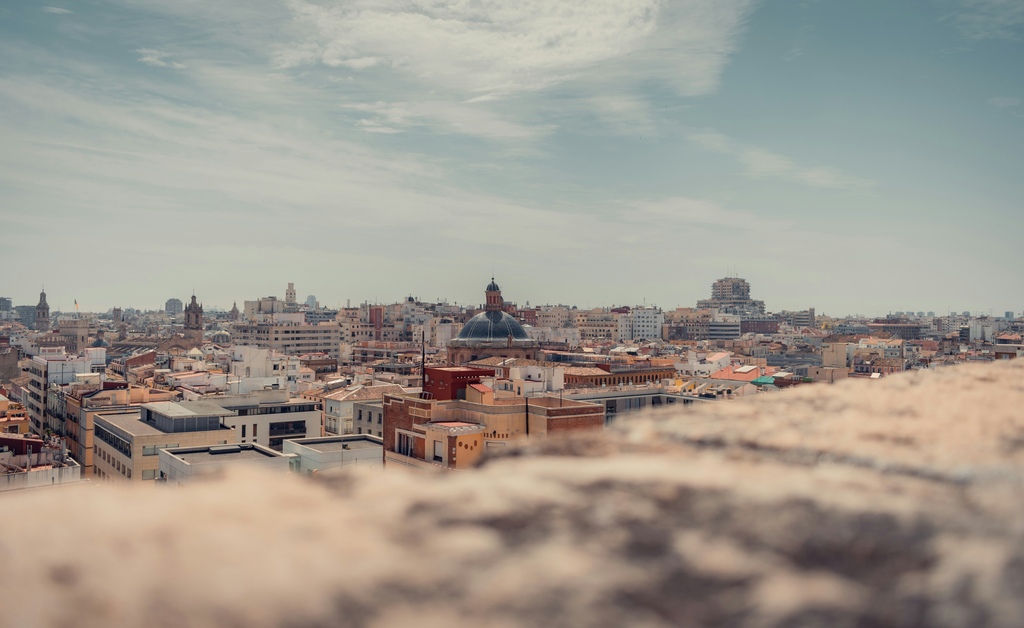
Valencia gets around 300 sunny days a year and has such a relaxed coastal feel. The beach is only a few minutes from the city centre, so it is easy to mix city days with family beach time. The city is also a great blend of old and new, from the historic Silk Exchange to the futuristic City of Arts and Sciences. If your family loves sunshine and outdoor life, Valencia is a wonderful choice.
How Safe is Valencia?
Valencia is one of the safer cities in Spain. Violent crime is very rare. The main concern is petty theft in busy tourist spots. Healthcare is excellent, and the public transport system works very well for families.
Cost of Living in Valencia
A family usually spends between $4,500 and $7,000 (€4,140 to €6,440) per month. Rent for a family apartment is between $1,800 and $3,500 (€1,660 to €3,220).
Local Spanish dishes like paella cost around $10 to $15 (€9.20 to €13.80) at simple restaurants. Groceries are usually $400 to $500 (€370 to €460) per month.
👉 See all accommodations in Valencia
Education in Valencia
Valencia has several bilingual and international schools, including English School Los Olivos the British School of Valencia. These schools follow the UK or Spanish education systems and offer instruction in both Spanish and English.
Visa Options
If you’re non-EU and financially independent, the Non-Lucrative Visa lets you live in Spain without the need to work locally. For remote workers, Spain also offers a Digital Nomad Visa, ideal if you earn income from abroad. For official details, check www.exteriores.gob.es.
8. Cape Town, South Africa
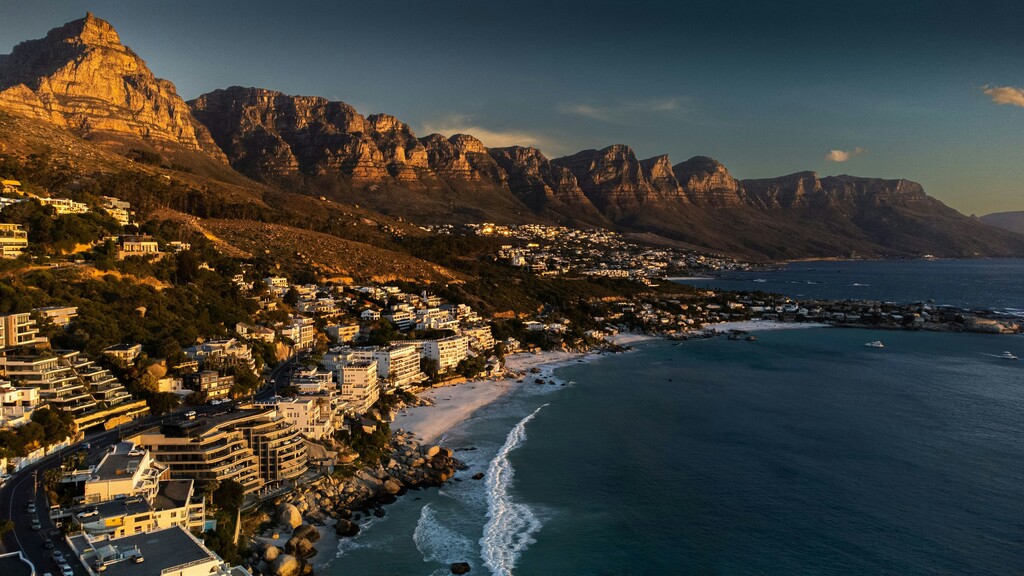
- Location: Cape Town lies on South Africa’s southwest coast, near the iconic Cape of Good Hope, where the Atlantic and Indian Oceans meet.
- Population: The city has around 4.8 million people living in the metropolitan area.
- Infrastructure: Cape Town offers modern infrastructure, including an international airport, hospitals, universities, and public transport (buses and taxis), along with a growing number of co-working spaces.
- Languages spoken: English, Afrikaans, and Xhosa are the main languages, with English being widely spoken.
What Makes it Special?
Cape Town has a little bit of everything. You get mountains, beaches, wine farms, and a lively city centre. You can hike up Table Mountain in the morning and sit on the beach in the afternoon. Summers are warm, and the rest of the year feels mild. The mix of African, Dutch, and British influences gives the city a rich and interesting culture.
We are currently living here for three months, and we love it so much that we already booked our return for 2026.
How Safe is Cape Town?
Cape Town does have higher crime rates than many places on this list. Safety depends a lot on the neighbourhood. Tourist and expat areas are usually safe when you take normal precautions. Many families choose gated communities with private security.
Here’s my guide on Cape Town Safety for Families.
Healthcare is excellent, especially in private hospitals. When I was six months pregnant with Lila, I saw a private doctor here, and the experience was incredibly warm and professional.
Cost of Living in Cape Town
A family usually spends between $4,000 and $6,500 (€3,680 to €5,980) per month. Rent in safe, family friendly areas is between $1,500 and $3,500 (€1,380 to €3,220). Eating out is affordable with meals for $7 to $15 (€6.40 to €13.80).
Groceries for a family are normally $400 to $600 (€370 to €550) per month.
👉 See the top accommodations in Cape Town here.

Education in Cape Town
Cape Town is home to several well-regarded international schools, such as the American International School of Cape Town and the International School of Cape Town (that’s the school our girls attended for 3 months). Both schools follow British or American curricula and offer high-quality education.
Visa Options
South Africa offers the Temporary Residence Permit for families, and the Retired Person’s Visa is popular among those with financial means. We arrived on a normal 90-day Tourist Visa and will apply for the new Digital Nomad Visa in 2026.
For more information, visit www.dha.gov.za.
9. Medellín, Colombia
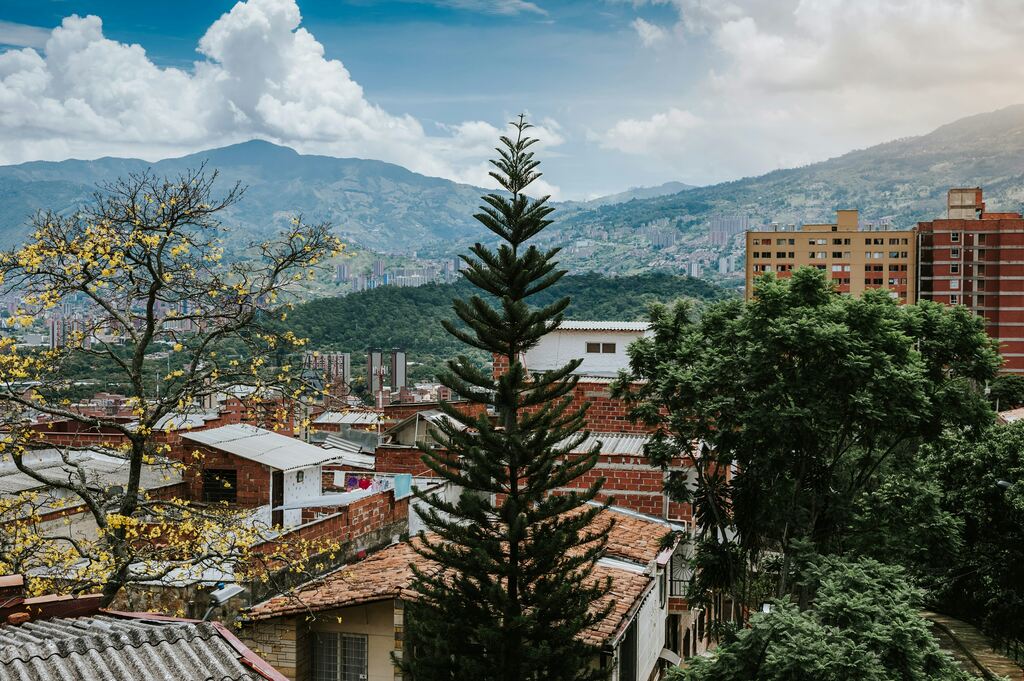
- Location: Medellín sits in the Aburrá Valley in northwestern Colombia.
- Population: The metropolitan area is home to about 2.6 million people.
- Infrastructure: Medellín has excellent infrastructure, including Colombia’s only metro system, an international airport, hospitals, and plenty of co-working spaces.
- Languages spoken: Spanish is the primary language, but English is becoming more common, especially among younger people.
What Makes it Special?
Medellín is known as the City of Eternal Spring because the temperatures stay around 64 to 82°F (18 to 28°C) all year. It is a green and lively city with parks, mountains, and plenty of outdoor spaces. You get a great mix of modern city life and nature.
How Safe is Medellín?
Safety in Medellín has improved a lot over the years. Petty crime like pickpocketing can still happen in busy areas, so it helps to stay aware. Most expats and nomad families choose neighbourhoods like El Poblado because they feel safer and have good access to shops, cafes, and healthcare.
Private hospitals offer very good medical care.
Cost of Living in Medellín
A family usually spends between $2,500 and $4,500 (€2,300 to €4,140) per month. Rent in safe neighbourhoods like El Poblado is between $800 and $2,000 (€740 to €1,840). Local food is very affordable, with meals for $5 to $10 (€4.60 to €9.20).
👉 Check out the best accommodations in Medellín here.
Education in Medellín
Medellín has several good international schools. The Columbus School and Montessori British School are two popular options, and both follow American or British curricula. Most schools offer bilingual education, which many expat families really like.
Visa Options
Families moving to Colombia can apply for the M Visa. This visa can last up to three years and has different options, like work or joining a Colombian spouse.
There is also a Digital Nomad Visa for remote workers. It’s valid for up to two years and is only for people who work for companies outside Colombia.
For official info, visit www.cancilleria.gov.co.
10. Auckland, New Zealand
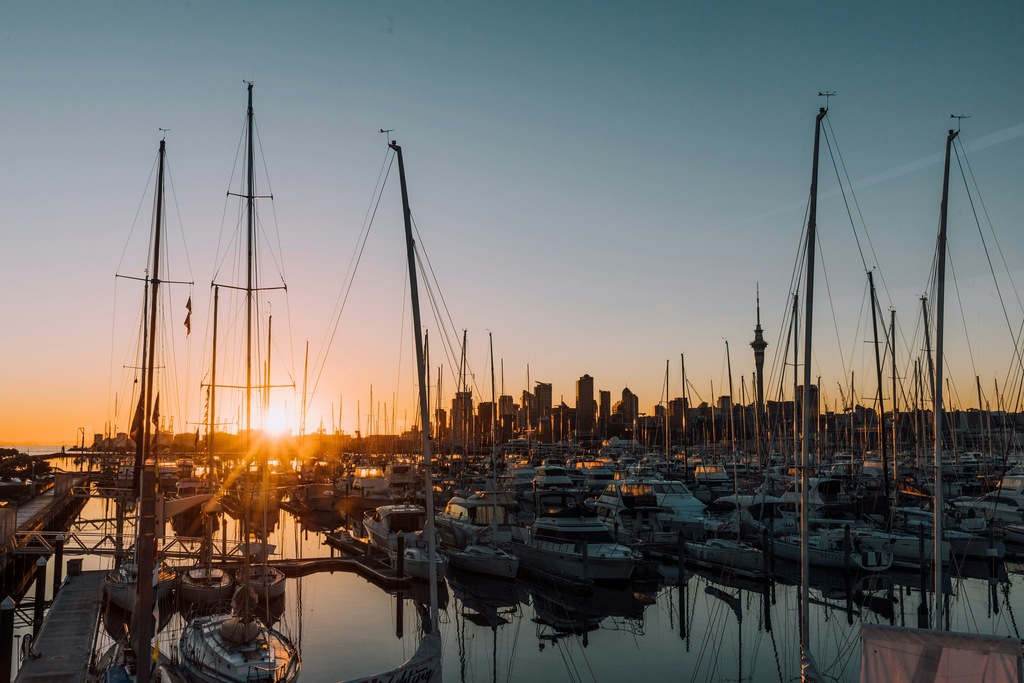
- Location: Auckland is located on New Zealand’s North Island.
- Population: The largest city in New Zealand, Auckland’s metropolitan area is home to around 1.7 million people.
- Infrastructure: Auckland has excellent infrastructure, including an international airport, hospitals, universities, public transport (buses, trains, ferries), and an increasing number of co-working spaces. Traffic congestion can be an issue.
- Languages spoken: English is the primary language, with Māori and New Zealand Sign Language also recognized as official languages.
What Makes it Special?
Auckland is surrounded by water, so you get beaches, bays, and small islands everywhere you look. It is a relaxed city with lots of parks and outdoor activities. The weather stays mild all year, and people love being outside, whether they are hiking, sailing, or just exploring the coastline.
If you’re weighing up island options in the region, our guide to Koh Tao vs Koh Phangan might help you think through the trade-offs between smaller island life and a bigger city base.
How Safe is Auckland?
Auckland is one of the safest cities in the world. Crime rates are low, and most families feel very comfortable living here. Petty crime is rare and usually limited to busy areas.
Cost of Living in Auckland
A family usually spends between $6,000 and $8,500 (€5,520 to €7,820) per month. Rent for a family home is between $2,500 and $4,000 (€2,300 to €3,680). Dining out is expensive, with meals for $15 to $25 (€13.80 to €23).
👉 Check out the best accommodations in Auckland here.
Education in Auckland
Auckland’s public and private schools are highly respected. Public schools are free for residents, and international options like ACG Parnell College and Diocesan School for Girls offer British and International Baccalaureate (IB) programs.
The New Zealand education system is ranked among the best in the world.
Visa Options
If you enter New Zealand with a Visitor Visa or NZeTA, you can stay for up to 9 months. You can come and go multiple times. For more information, visit www.immigration.govt.nz.
11. Tenerife, Spain
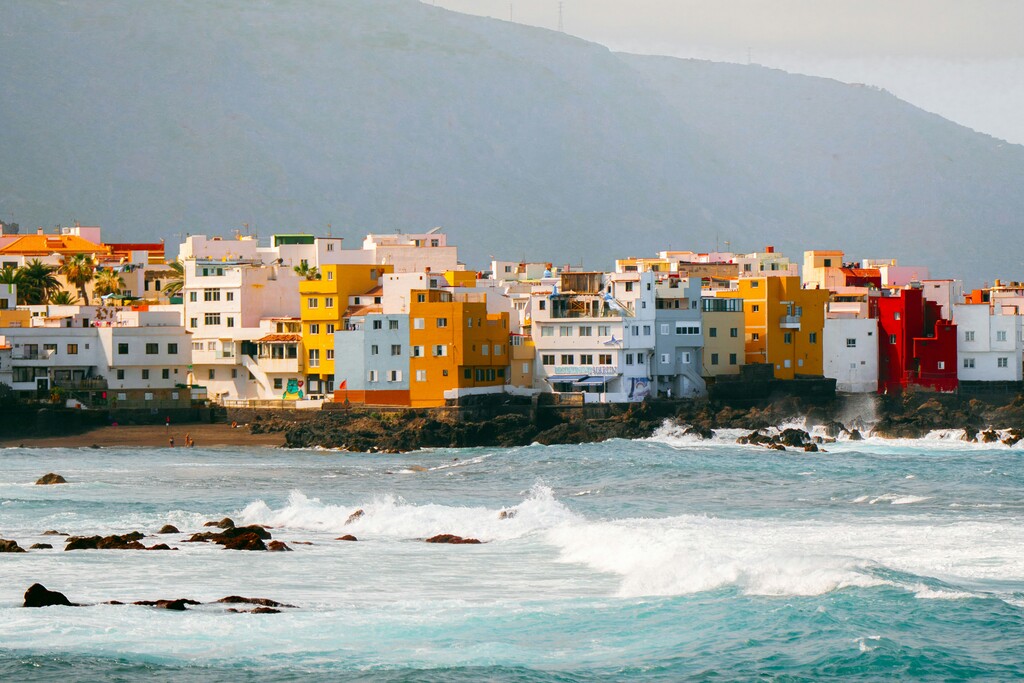
- Location: Tenerife is the largest of Spain’s Canary Islands, situated off the northwest coast of Africa.
- Population: Around 930,000 people live in Tenerife, making it the most populous of the Canary Islands.
- Infrastructure: Tenerife has modern infrastructure, including two international airports, hospitals, schools, public transport (buses and trams), and plenty of co-working spaces.
- Languages spoken: Spanish is the main language, but in tourist areas, you’ll hear English and German frequently.
What Makes it Special?
Tenerife has warm weather all year, usually around 73 to 75°F (23 to 24°C). Families love the beaches, calm atmosphere, and unique volcanic landscapes. Mount Teide is the island’s highlight, and you can hike or take the cable car for incredible views.
How Safe is Tenerife?
Tenerife is very safe with low crime rates. The main thing to watch is petty theft in busy tourist areas. Healthcare is excellent, and the island has good medical facilities.
Cost of Living in Tenerife
A family usually spends between $3,500 and $5,000 (€3,220 to €4,600) per month. Rent for a family apartment is between $1,200 and $2,500 (€1,100 to €2,300). Eating out is affordable, with local meals for $10 to $15 (€9.20 to €13.80).
👉 Find the best family hotels in Tenerife
Education in Tenerife
There are several international schools in Tenerife, including Wingate School and The British School of Tenerife. These schools follow the British curriculum and offer bilingual education.
Visa Options
For families moving to Tenerife, the Non-Lucrative Visa is a great option. You’ll need to show proof of income, but it allows you to live in Spain without needing local employment. For remote workers, Spain’s new Digital Nomad Visa is perfect. You can find more details at www.exteriores.gob.es.
12. Costa Rica
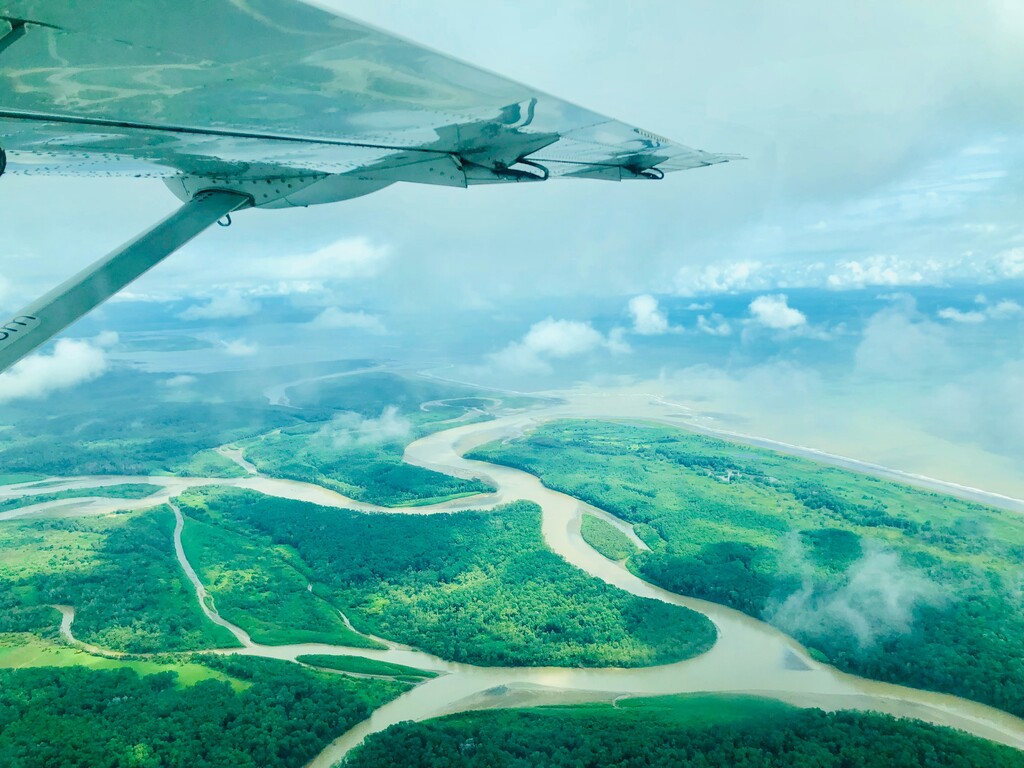
- Location: Costa Rica is in Central America, bordered by Nicaragua, Panama, the Pacific Ocean, and the Caribbean Sea.
- Population: Costa Rica is home to about 5.2 million people.
- Infrastructure: In Costa Rica’s urban areas, the infrastructure is well-developed, with international airports, hospitals, schools, and an increasing number of co-working spaces. Rural areas, however, can have more limited infrastructure, especially when it comes to roads and healthcare.
- Languages spoken: Spanish is the official language, but English is widely spoken in tourist areas.
What Makes it Special?
Costa Rica is perfect for eco conscious families. You get rainforests, beaches, volcanoes, and a strong focus on nature and sustainability. The tropical climate stays warm all year, and there are endless outdoor adventures for kids and adults. If your family loves wildlife, this is a fantastic place to live for a while.
How Safe is Costa Rica?
Costa Rica is generally safe, especially in tourist areas. Petty crime like pickpocketing can happen, and some rural roads are difficult to drive on. Healthcare is very good, especially in larger cities like San José.
Cost of Living in Costa Rica
A family usually spends between $3,000 and $4,500 (€2,760 to €4,140) per month. Rent for a family home is between $1,300 and $2,000 (€1,200 to €1,840). Local meals are affordable at around $5 (€4.60).
👉 See my top family-friendly stays in Costa Rica
Education in Costa Rica
Costa Rica has a number of international schools, particularly in San José. Schools like Country Day School and Blue Valley School offer American-style education and bilingual programs.
Visa Options
Costa Rica offers a Temporary Residency Visa for families, and for remote workers, the Digital Nomad Visa allows stays of up to two years. The process is simple, and you can find more information in my comprehensive guide.
13. Copenhagen, Denmark
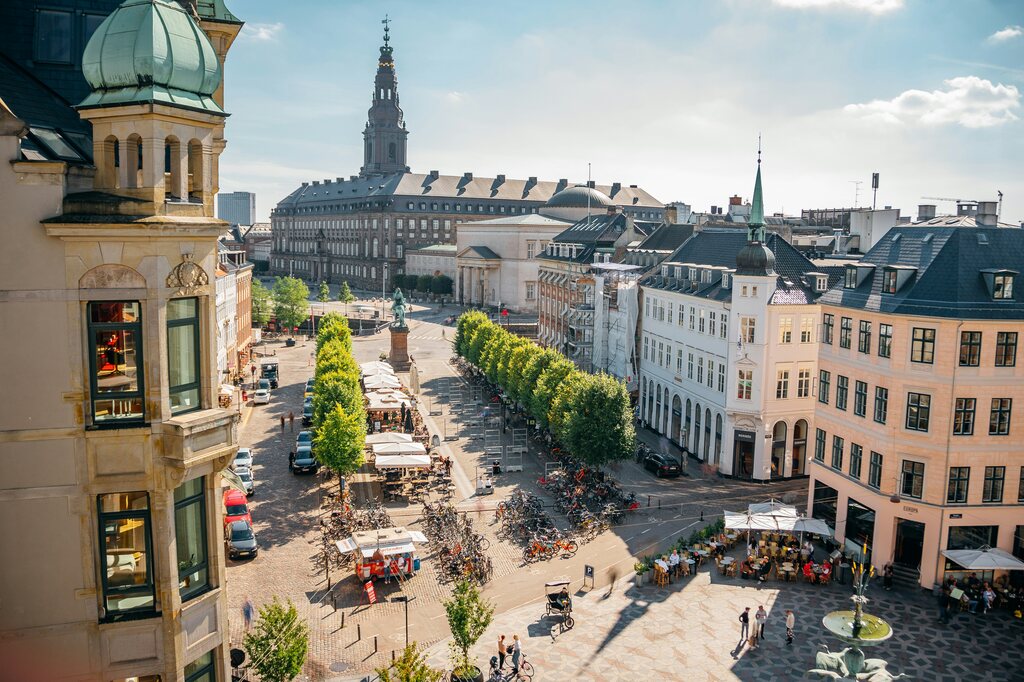
- Location: Copenhagen is Denmark’s capital, located on the eastern coast of Zealand.
- Population: About 800,000 people live in the city and 1.3 million in the greater metropolitan area.
- Infrastructure: Copenhagen’s infrastructure is top-notch, with a modern public transport system (metro, buses, trains), an international airport, hospitals, and many co-working spaces. It’s also a famously bike-friendly city with extensive cycling lanes.
- Languages spoken: Danish is the official language, but most locals are fluent in English, so language barriers are rarely a problem.
What Makes it Special?
Copenhagen has an amazing quality of life and feels very safe, which is why so many families love it. Summers are cool, and winters can bring a little snow. The city mixes modern Scandinavian design with castles, canals, and charming old streets. It is a lovely place to explore on foot or by bike.
How Safe is Copenhagen?
Copenhagen is one of the safest cities in the world. Violent crime is extremely rare, and most families feel very secure. Healthcare and public services are excellent, and getting around the city is easy and reliable.
Cost of Living in Copenhagen
A family usually spends between $6,000 and $8,500 (€5,520 to €7,820) per month. Rent for a family apartment is between $3,500 and $4,500 (€3,220 to €4,140). Eating out is expensive, with meals for $20 to $30 (€18.40 to €27.60) per person.
👉 Where to stay in Copenhagen with kids: my picks.
Education in Copenhagen
Copenhagen offers top international schools like Copenhagen International School and Rygaards School. These schools provide education in English and follow the International Baccalaureate (IB) or British curriculum.
Visa Options
Entrepreneurial families can apply for the Start-Up Denmark Visa, a great option for those starting a business. For more information, visit www.nyidanmark.dk.
14. Buenos Aires, Argentina
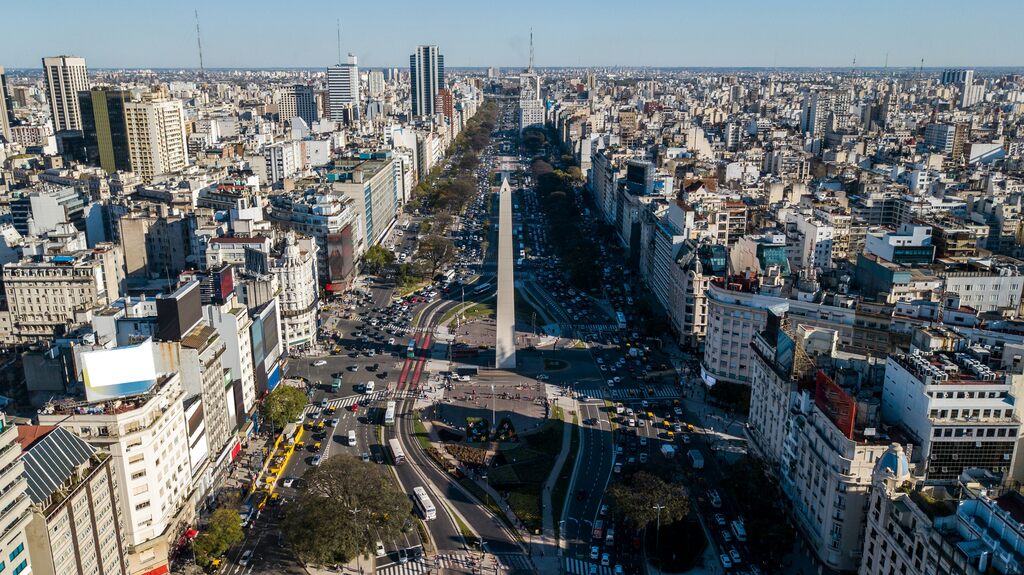
- Location: Buenos Aires, Argentina’s capital, is located on the southeastern coast of South America.
- Population: The city itself has about 3 million people, but the greater metropolitan area is home to over 15 million.
- Infrastructure: Buenos Aires has excellent infrastructure, with a metro system (the Subte), buses, an international airport, hospitals, and plenty of co-working spaces.
- Languages spoken: Spanish is the official language, but English is widely spoken in tourist areas.
What Makes it Special?
Buenos Aires has a lovely European feel with wide avenues, cosy cafes, and beautiful old buildings. It is a lively and cultural city where you hear tango music in the streets and find parks everywhere. The weather stays mostly warm, and families love spending time in green spaces like the Bosques de Palermo.
How Safe is Buenos Aires?
Buenos Aires has a moderate crime rate. Petty theft can happen in busy areas, so it helps to stay aware. Violent crime is rare in the popular neighbourhoods where most tourists and expat families stay. Healthcare is strong, especially in private clinics.
Cost of Living in Buenos Aires
A family usually spends between $2,000 and $3,500 (€1,840 to €3,220) per month. Rent for a family apartment is around $2,500 to $3,500 (€2,300 to €3,220). Local meals are very affordable at $5 to $10 (€4.60 to €9.20).
👉 Check out the best accommodations in Buenos Aires here.
Education in Buenos Aires
Buenos Aires offers several international schools for expats, including St. George’s College and Buenos Aires International Christian Academy. These schools follow American or British curricula and provide bilingual education.
Visa Options
Argentina offers a Temporary Residence Visa for families and a Digital Nomad Visa for remote workers. Both visas allow stays of up to a year, with the option to renew. Learn more at www.argentina.gob.ar.
15. Singapore
- Location: Singapore is a city-state in Southeast Asia, situated off the southern tip of the Malay Peninsula.
- Population: Singapore has around 5.6 million residents.
- Infrastructure: Singapore boasts world-class infrastructure, including a highly efficient public transport system (MRT, buses), Changi International Airport, top hospitals, and a strong network of co-working spaces.
- Languages spoken: English, Mandarin, Malay, and Tamil are Singapore’s official languages, with English being the most commonly spoken in business and government affairs.
What Makes it Special?
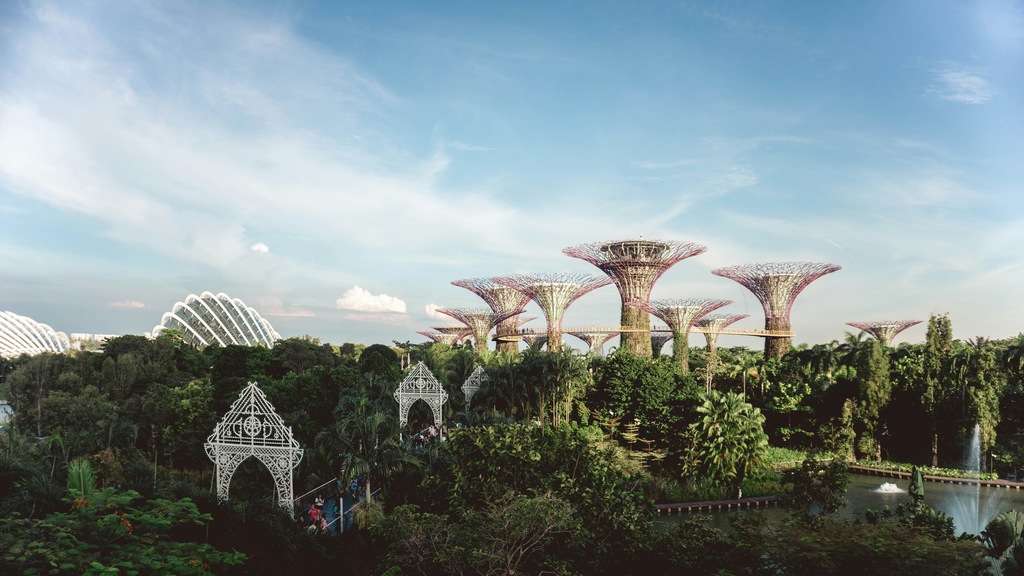
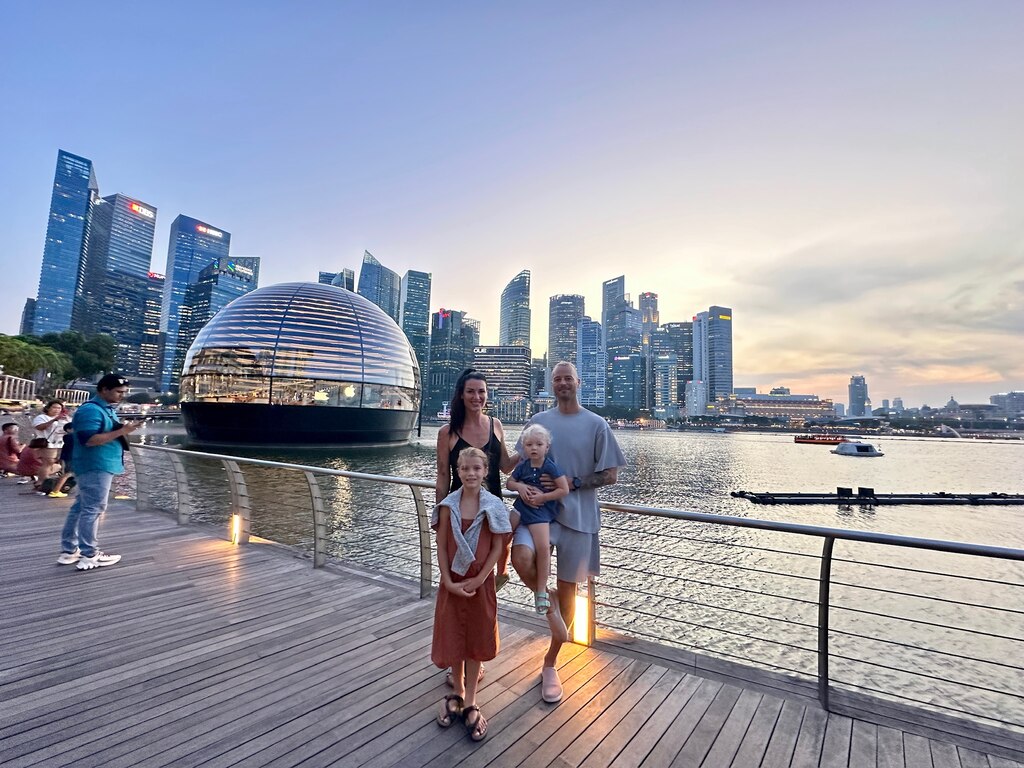
Singapore is warm and tropical all year, with a mix of skyscrapers, green parks, and beautiful places like Gardens by the Bay. It is incredibly clean and safe, and the mix of Chinese, Malay, Indian, and Western cultures makes everyday life really interesting.
It is easily one of the best digital nomad family destinations in Asia, but it is also one of the most expensive.
👉 Check out my 5 day family itinerary for exploring Singapore.
How Safe is Singapore?
Singapore is one of the safest places in the world. Crime rates are very low, and petty crime is rare. Healthcare is excellent, and the whole city feels organised and easy to navigate with kids.
Cost of Living in Singapore
A family usually spends between $10,000 and $15,000 (€9,200 to €13,800) per month. Rent for a family apartment is between $5,000 and $8,500 (€4,600 to €7,800). Hawker centres are great for affordable meals at $5 to $8 (€4.60 to €7.40).
Western style restaurants are more expensive, with meals at $20 to $30 (€18.40 to €27.60) per person.
👉 Check out the best accommodations in Singapore here.
Education in Singapore
Singapore is home to some of the world’s best international schools, such as Singapore American School and Tanglin Trust School. These schools offer American, British, and International Baccalaureate (IB) programs and are known for their high academic standards and superb facilities.
Visa Options
Entrepreneurs can apply for the EntrePass to move their family to Singapore. More details can be found at www.ica.gov.sg.
Asia vs Europe vs Latin America: Which Region Fits Your Family?
If you’re staring at this list and feeling paralysed, try thinking in regions first. Each one has a different feel, and the right choice usually comes down to budget, school needs, and the kind of lifestyle your family actually wants.
Southeast Asia (Koh Phangan, Chiang Mai, Bali) is the sweet spot for families who want warmth, low costs, and a huge expat community around them. You get tropical weather, great food, and a relaxed pace. The trade-off is longer flights from Europe and North America, and international school fees can add up quickly.
Europe (Lisbon, Tenerife, Valencia, Copenhagen) works well if you want shorter travel to your home country, strong public services, and a lifestyle that feels familiar. Costs are higher, but so is the ease of EU visas for eligible families. Tenerife and Lisbon tend to attract the most nomad families because of the weather and the lower cost compared to northern Europe.
Latin America (Mexico City, Buenos Aires, Medellín, Costa Rica) is great for Spanish-speaking families or those who want affordable city life with a genuine cultural immersion. Time zones align well with North American remote work. Safety varies more by neighbourhood than by country, so local knowledge matters.
Africa (Cape Town) is the underrated option. Cape Town has excellent schools, a mild climate, and stunning nature. It is more expensive than Southeast Asia but cheaper than northern Europe. Crime awareness is important, but most nomad families who choose it love it.
Start with the region that fits your budget and school needs, then narrow it down from there.
Do Digital Nomad Families Pay Taxes?
Yes, and this is one of the most important questions to get right before you move. Where you pay tax depends on your citizenship, your country of residence, and how long you stay in each place.
Most countries tax residents who spend more than 183 days per year inside their borders. As a digital nomad family moving every few months, you may not hit that threshold in any single country, but your home country may still expect a tax return from you every year regardless of where you live. US citizens, for example, are taxed on worldwide income no matter where they reside.
Some of the destinations on this list have tax incentives for foreign income earners. Portugal’s NHR (Non-Habitual Resident) regime has attracted many nomad families in Lisbon, though the rules have changed in recent years, so always check the current status before you plan around it. Georgia’s flat tax rate is another reason Tbilisi is popular with remote workers.
The honest answer is: get proper advice from a tax professional who specialises in expats or digital nomads before you commit to a long stay. The rules change often, and the cost of getting it wrong is much higher than the cost of a one-hour consultation.
Key Takeaways
- Southeast Asia costs $2,500-$5,500/month, Europe costs more.
- Safest picks: Singapore, Copenhagen, Auckland, Lisbon, Tenerife.
- Best schools: Singapore, Lisbon, Copenhagen, Cape Town, Costa Rica.
- Budget leaders: Chiang Mai, Medellín, Tbilisi.
- Stay at least 3-6 months per stop for kids to settle.
- Most nomad visas allow children as dependents.
- Choose your region first, then narrow to a destination.
Final Thoughts on the Best Destinations for Digital Nomad Families
Feeling a bit overwhelmed? I get it. With so many amazing places to choose from, it can be hard to decide. The good news: no matter where you go, each of these digital nomad family destinations offers something special.
After staying mostly in Southeast Asia for the past six years, we are slowly adding new regions to our map. In 2026 we will explore more of Africa, and Cape Town is already very high on our list again. We pretty much fell in love with it.
Do you have any questions? What’s your next digital nomad family destination? Please let me know in the comments!
Thanks so much for reading and for making me a part of your day! Yours, Lulu
Frequently Asked Questions
Is it realistic to be a digital nomad with kids?
Yes. It’s different from backpacking, but very possible. You’ll move slower, plan more around schooling and routines, and need a clear budget and emergency fund. But the upside is huge: more time together, new languages, and kids who feel at home in many places.
What are the safest digital nomad family destinations in 2026?
Some of the safest hubs with good infrastructure and English are Singapore, Copenhagen, Auckland, Lisbon, and Tenerife. They have low crime rates, great healthcare, and strong public services. But they’re also more expensive than places like Thailand or Georgia.
What are the most affordable digital nomad family destinations?
Chiang Mai, Medellín, and Tbilisi are usually the most budget friendly in this list. A family of four can often live on $2,500 to $3,500 (€2,300 to €3,220) per month, depending on your housing standard and how often you eat out.
Which digital nomad destinations are best for beach-loving families?
Koh Phangan, Bali, Tenerife, Costa Rica, and parts of Mexico are perfect if you want sea, warm weather, and lots of outdoor time. They all have strong expat communities and plenty of activities for kids.
Which digital nomad family destinations have the best schools?
Singapore, Lisbon, Copenhagen, Costa Rica (around San José), and Cape Town all have well-regarded international schools. They follow British, American, or IB curricula and are popular with expat families.
Can I get a digital nomad visa if I have children?
Yes, in many countries your spouse and kids can come as dependents on your digital nomad or long-stay visa. Places like Portugal, Spain, Costa Rica, Colombia, and Argentina all have options. The rules change often, so always double-check on the official immigration website before you apply.
How long should a digital nomad family stay in one place?
I recommend at least three to six months per stop. Kids need time to settle into routines, friendships, and maybe a local school or activities. Slow travel also helps with budgets and visa runs.
Do digital nomad families have to pay taxes abroad?
Yes, taxes still apply, but where you pay depends on your citizenship and how long you stay in each country. Most countries tax you as a resident after 183 days in a year. US citizens are taxed on worldwide income regardless of where they live. Some destinations, like Georgia and Portugal (with its NHR scheme, though rules have changed), have historically attracted nomads with favourable tax treatment for foreign income. Always consult an expat tax professional before committing to a long stay.