
Is Thailand Safe and Worth It With a Toddler?
Yes. Thailand is one of the safest, most toddler-friendly destinations in Asia. Thai people love kids, healthcare is excellent, and daily life feels relaxed. If you’re mindful about road safety, heat, and packing basics, you’ll have an amazing trip.
Planning a trip to Thailand with a toddler? You’re probably asking yourself: Is it safe? Is it worth it? Will we survive the heat, the food, the flights… and the tantrums?
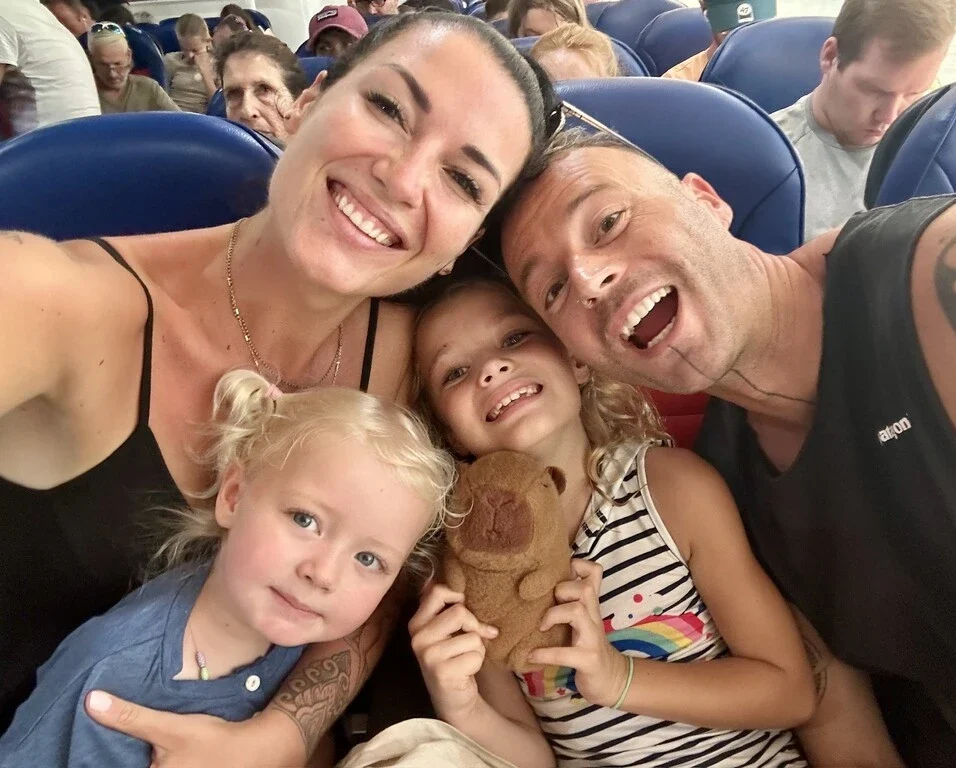
I get it. We arrived in Thailand in 2019 when Lila was two years old. Our youngest, Ruby, was actually born here in 2021. So, this survival guide is packed with real-life tips from a mom who’s raising her two little ones in the Land of Smiles.
Our Quick Picks
🌴 Planning your trip? Check my Thailand Family Itinerary and my Toddler Travel Tips.
💻 Check out our Travel Health Insurance Plan. It’s the one we actually use in Thailand.
Is Thailand Toddler-Friendly?
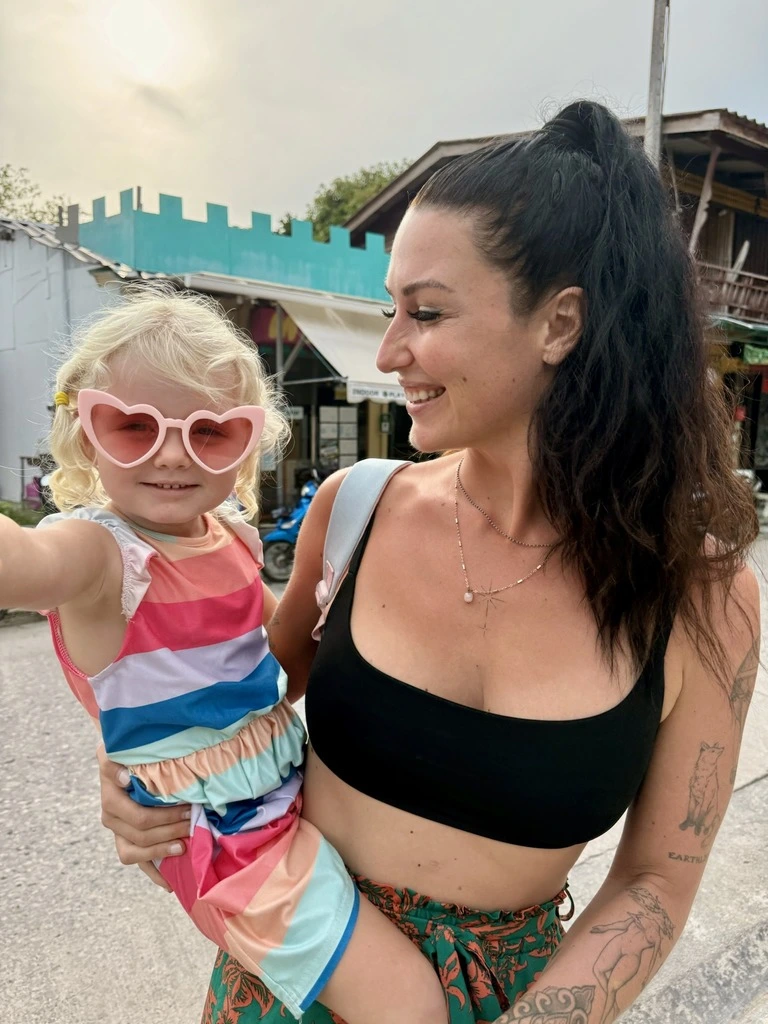
Yes, yes, and yes! Thai people adore children, especially babies and toddlers. Strangers will smile, offer help, and even try to entertain your little one while you finish your noodles. That said, it’s not all smooth sailing. You’ll need to adjust your safety radar, car seats are rare, and the sidewalks are, let’s say, creative. But overall, it’s a toddler-hugging, fruit-snacking paradise.
Here’s why Thailand works so well with a toddler:
- You can be outside all day.
- Food is fresh, fast, and easy to adapt.
- Locals go out of their way to make families feel welcome.
- You can travel comfortably on a small budget and can afford family rooms and occasional nannies.
But there are a few things to keep in mind:
- Thais love taking photos and videos of children. It’s usually meant in the sweetest way, but these pictures sometimes end up on social media or get sent to extended family. If that’s not okay with you, just let people know gently ahead of time.
- The attention can feel like a lot. Toddlers from Western countries aren’t always used to so much love from strangers. If your little one needs space, a kind “She’s tired, not now please” goes a long way.
- Everyone calls kids “baby.” In Thailand, the word “baby” is used for kids up to around age 10. So don’t be surprised if someone calls your seven-year-old “baby” while handing over a snack. It’s totally normal and always affectionate.
Best Time to Visit Thailand With a Toddler
Let’s start with the basics: when’s the best time to travel to Thailand with a toddler? Timing matters, especially when you’ve got a warm little body clinging to you in a carrier.
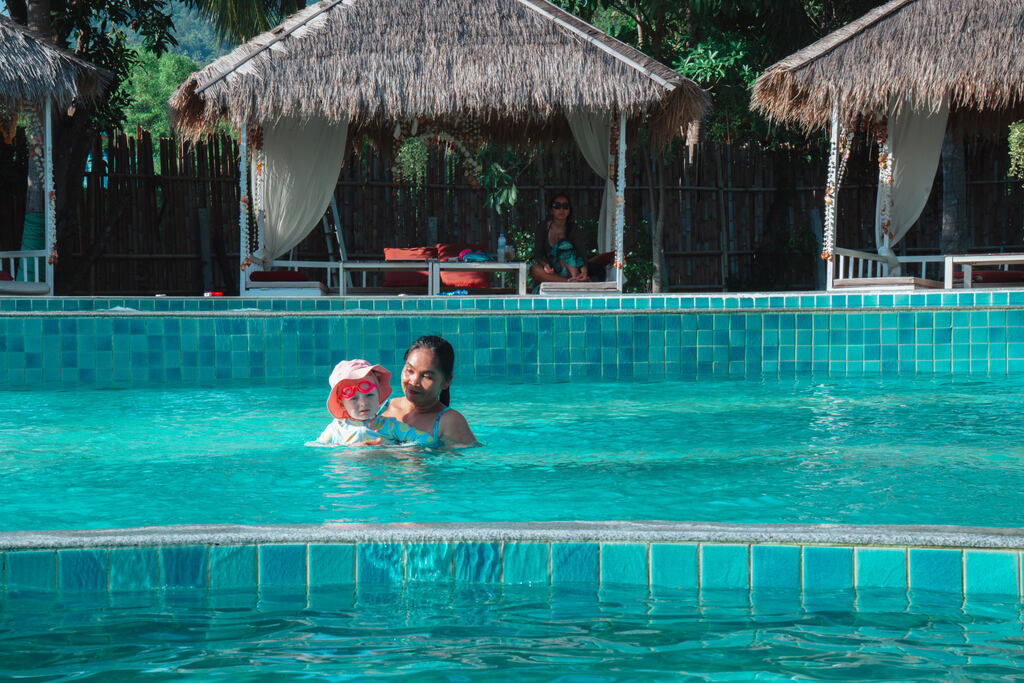
- The hot season (late March to May) is tough. Temperatures can hit 38°C (100°F), and the heat doesn’t let up. During this time it’s best to book a resort with a nice shady pool and a kids’ club with AC. Our girls spend most of their time in the pool during this period, and so do we.
- The cooler months (December to mid-March) are much easier with kids. Daytime temperatures stay around 25-30°C (77-86°F), and evenings are breezy. There are also fewer mosquitoes, which is always a win. But it’s also high season in Thailand, prices are rising and popular places like Phuket, Krabi, and Samui are bursting with tourists.
- The rainy season (June to October, and until mid-December in the Gulf of Thailand) can be a deal-breaker, but it doesn’t have to be. Rain usually comes in short bursts, and there’s still plenty of sunshine. Prices drop, the crowds thin out, and the air feels fresher. Avoid September in the Andaman Sea and Central Thailand, and November in the Gulf of Thailand, as these are the wettest months. Then you’ll be fine.
👉 Here’s my big Weather Guide for Thailand in Winter.
What to Pack When Traveling to Thailand With a Toddler
This is one of the most asked questions from parents. Before moving to Thailand, I was always overpacking. I wanted to be prepared for every surprise, especially when traveling with kids. Today I know: less is more! You don’t need to bring the entire nursery. You’ll comfortably find most of the basics here. Still, some things are better packed from home, especially the stuff you don’t want to hunt for on day one.
Things You Can Easily Get in Thailand
No need to stress if you forget any of these, they’re widely available in larger cities, shopping malls, pharmacies, and even at 7-Eleven:
- Diapers and swim diapers
- Wet wipes
- Baby sunscreen and mosquito spray (I’d always recommend buying mosquito spray in Thailand, as it’s more effective against local insects)
- Teething gel
- Kids clothing (the ones with elephant and lotus flower print)
- Changing mats
- First-aid basics
Big supermarkets like Big C, Tesco Lotus, and Tops usually carry international brands. Pharmacies are everywhere and well-stocked. Just keep in mind, on smaller islands or in rural areas, selection can be limited, and prices might be higher.
Things You’re Better Off Bringing From Home
There are a few things that are just easier, or more reliable, if you pack them:
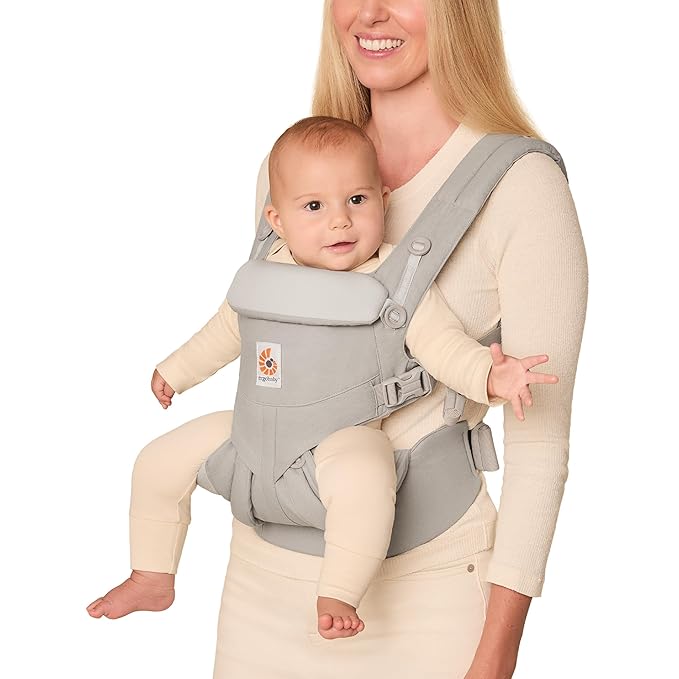
Baby Carrier: Ergobaby Omni 360 – $179.00
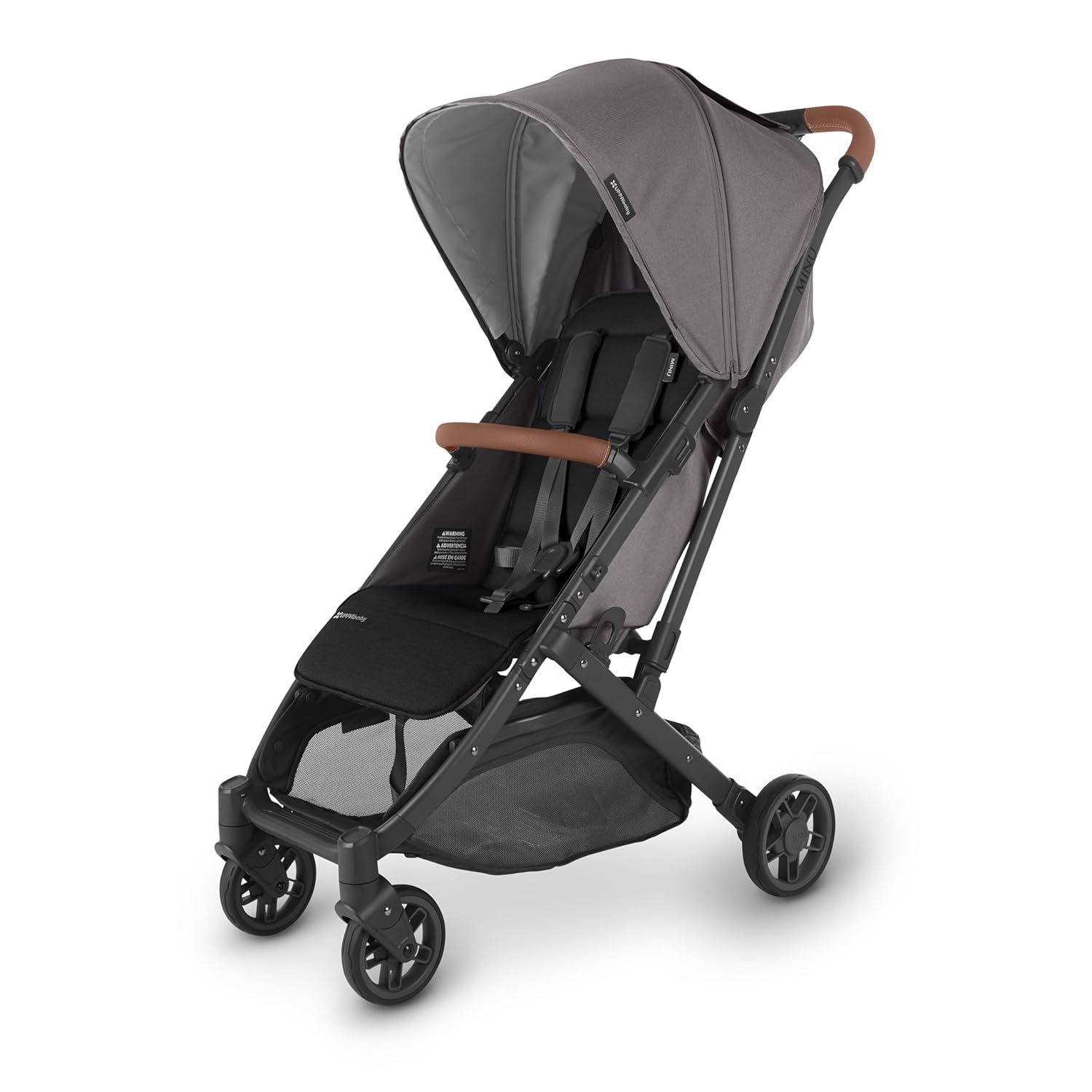
Stroller: UPPAbaby – $399.99
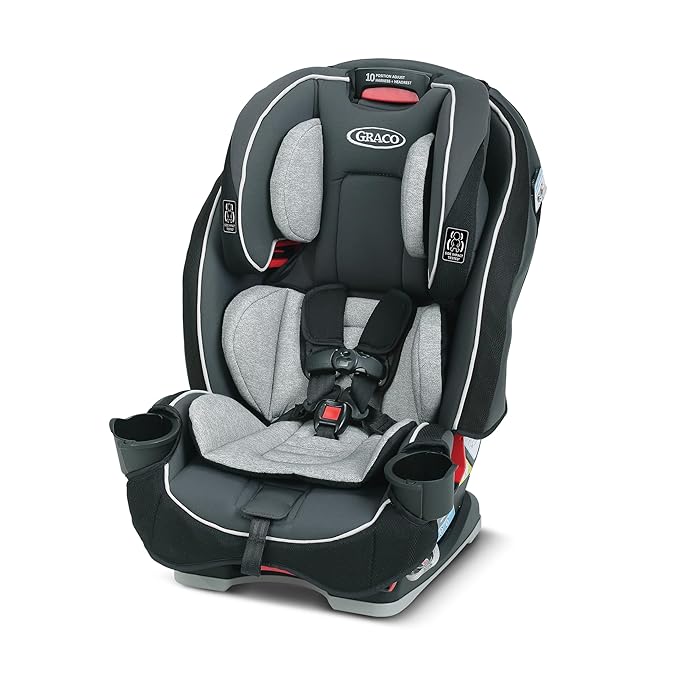
Travel Car Seat: Graco SlimFit 3-in-1 Car Seat – $219.99

TFJH E Long Sleeve Girls Swimsuit (UPF 50+) – $18.99
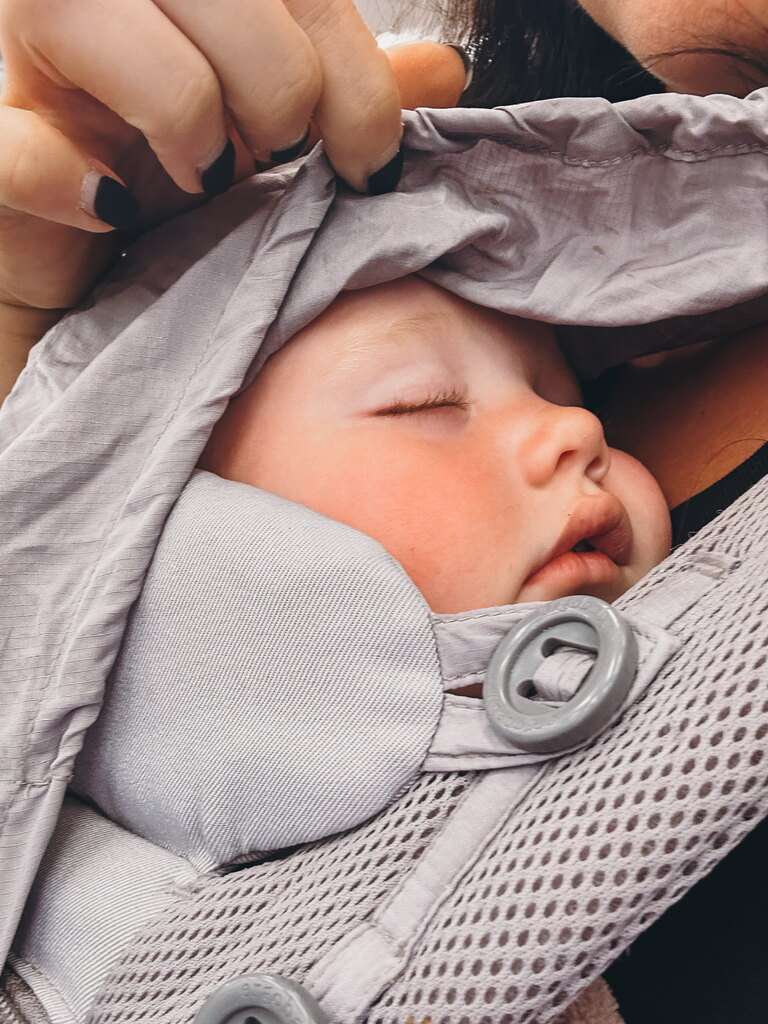
- Baby carrier, a must for walks, temples, or broken sidewalks
- Light stroller, great for airports and malls (although we never used one in Thailand)
- Sunhat, sunglasses, and swimsuit, better fit and quality from home
- Favorite cuddly toy or book
- Car seat, highly recommended if you plan to rent a car. Taxis and transfers usually don’t have one.
Getting Around Thailand With a Toddler
When we arrived in Thailand, our first stay was three months in Chiang Mai. We used Songtaews (those red group taxis) and rented bicycles with a toddler seat and helmet. It was actually a great way to bring Lila to kindergarten, even through city traffic. Later, we moved to Koh Phangan and started driving scooters. During rainy season, we always rented a car and bought a car seat online, just to be safe.
In big cities like Bangkok, or busy places like Phuket and Koh Samui, I always recommend using public transport, taxis, Grab, or renting a car. On quiet islands like Koh Yao Yai or Koh Phangan during low season, scooters are totally fine, as long as you feel confident riding with a toddler.
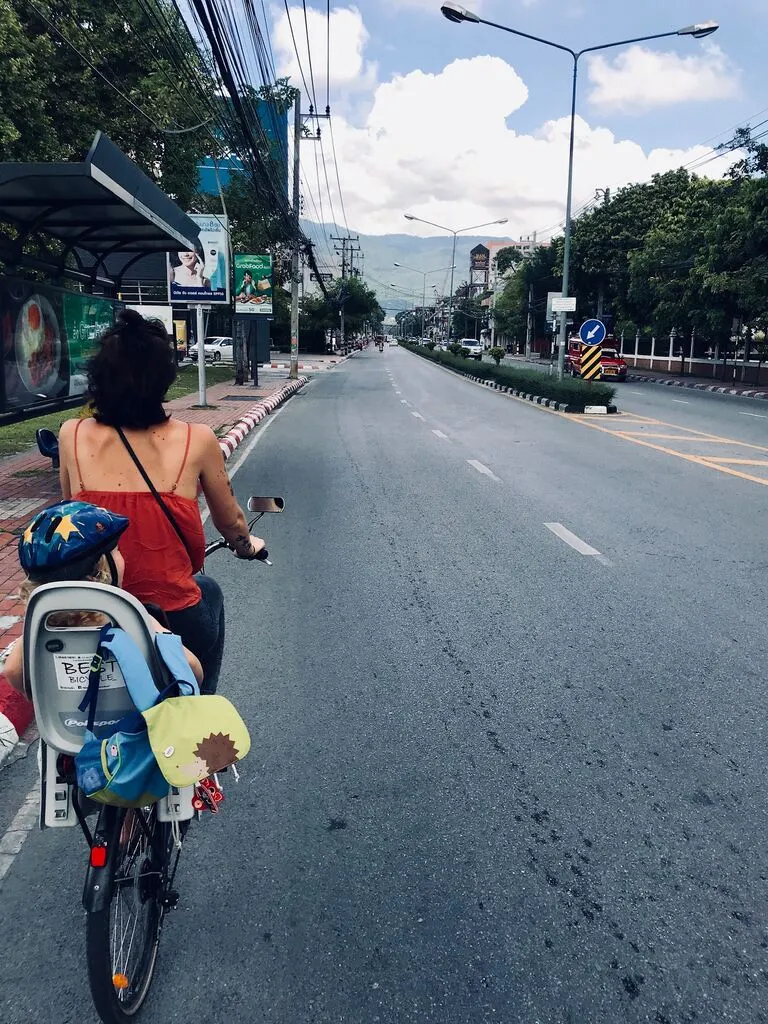
So, how do you get around Thailand with little ones? Here’s the lowdown:
Taxis and Grab Your best friends in bigger cities like Bangkok, Chiang Mai, or Phuket. They’re affordable, air-conditioned, and easy to book, even if you don’t speak Thai. Just keep in mind: most taxis don’t have car seats. Toddlers usually sit on laps. If that’s not your thing, bring your own or arrange a private transfer that includes one.
Tuk-tuks Fun for a short ride and a quick photo. Not the safest option, but an exciting little adventure, like a carnival ride. We usually do it once per trip, just for the memory.
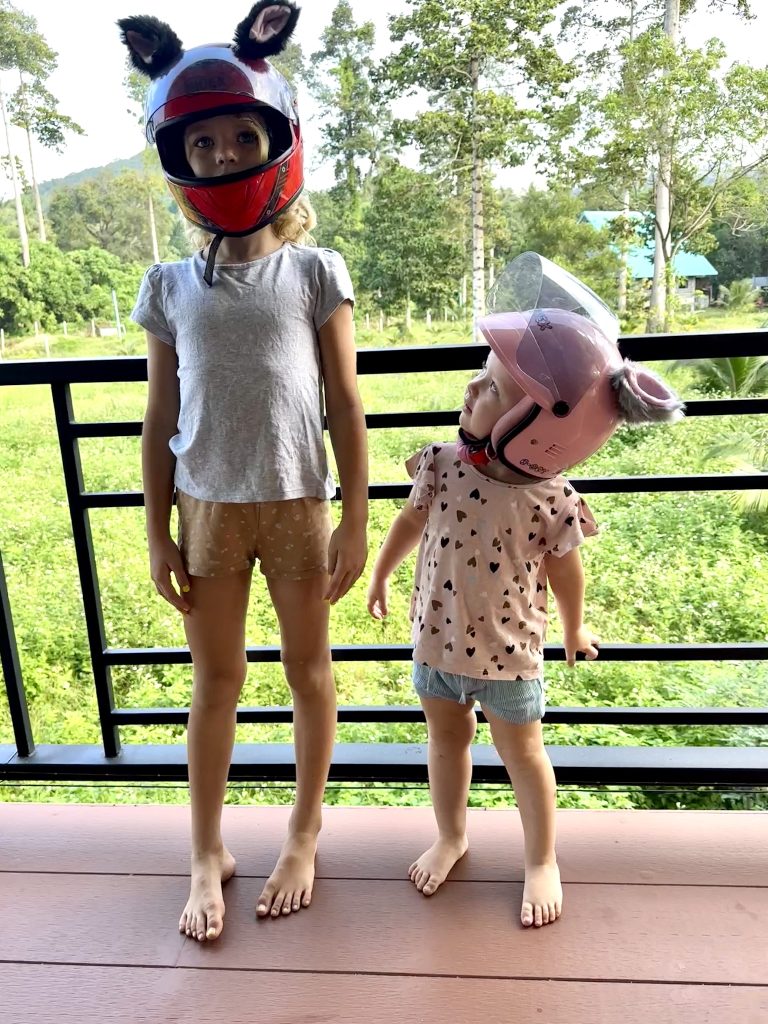
Scooters Only if you’re really confident. We started riding with Ruby when she was six months old and could wear a baby helmet. It worked for us, but it’s definitely not for everyone, especially on busy roads or during the rainy season.
Songtaews These shared pickup taxis are everywhere on islands like Koh Phangan. They’re budget-friendly and fun, but not always practical with a tired toddler and too many bags.
Domestic Flights Yes, absolutely. They’re quick, cheap, and baby-friendly. Most airlines let kids under two fly free if they sit on your lap. Ruby took her first flight at four weeks old, it was smoother than any car ride we’ve done.
Night Buses and Long Train Rides Not recommended. Sure, they’re cheap, but they’re often crowded, noisy, and far from toddler-friendly. You’ll arrive tired, stressed, and wondering why you didn’t just book the flight.

Choosing the Right Accommodation
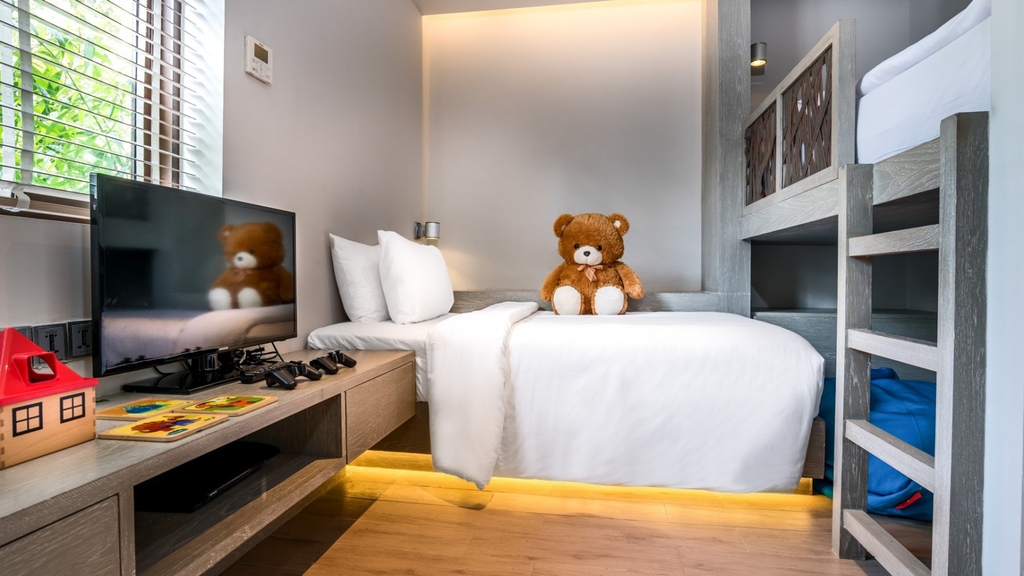
Yes, you can absolutely stay in a beautiful hotel with a toddler. But when you’re traveling as a family, style isn’t the only thing that matters. What really makes a difference is whether your child can nap in peace, play safely, and eat breakfast without sliding off your lap.
Here’s what we usually look for when booking a hotel with a toddler:
- Baby cot or crib: We always ask for one ahead of time. Most are big enough for toddlers up to two or three years old.
- High chair at breakfast: If a hotel doesn’t offer one, we usually look elsewhere.
- Shaded kids’ pool or a shallow area: A calm spot where your toddler can splash around while you sit nearby.
- Kids’ club or small indoor play area: A proper supervised Kids’ Club is a must for us nowadays.
- Close to the beach or a safe place to play: You can exchange a fancy rooftop view for easy access to the sand.
- Kitchenette: Makes it so much easier to prepare a quick snack or to heat up some milk.
Many mid-range and luxury hotels in Thailand are family-friendly. But it’s always worth double-checking. I usually send a quick message before booking to confirm the essentials, like a cot and high chair.
Here are some hotels we personally loved:

Pullman Phuket Arcadia Naithon Beach
- From $331 (€305) per night (Family Room)
- Overlooking Naithon Beach with direct access
- Read my honest review here!

Hyatt Regency Koh Samui
- From $230 (€212) per night (Family Room)
- Read my honest review here!
Feeding Your Toddler in Thailand
Food in Thailand is fresh, fun, and surprisingly toddler-friendly. If your toddler’s eating solids, you’ll be fine. Just steer clear of super spicy stuff. Most places will happily make plain rice, boiled veg, or scrambled eggs on request.
💡 Pro tip: Download the Grab app. You can order baby food, formula, fruit, diapers, basically everything, delivered to your hotel door. Just write “Leave at the lobby” in the notes and it will arrive safely.
- Formula: Easy to find. Every 7-Eleven, Big C, and Tops supermarket has the basics.
- Snacks: Bring some from home, especially if your little one has favorites. Thai snacks are fun, but often sugary or salty. Western baby snacks are available in big supermarkets like Big C and Tops.
- Fruit: Local bananas (the little ones with seeds), papaya, watermelon, and dragonfruit are perfect toddler snacks. Just always peel them and wash your hands first.
Staying Safe and Healthy in Thailand With a Toddler
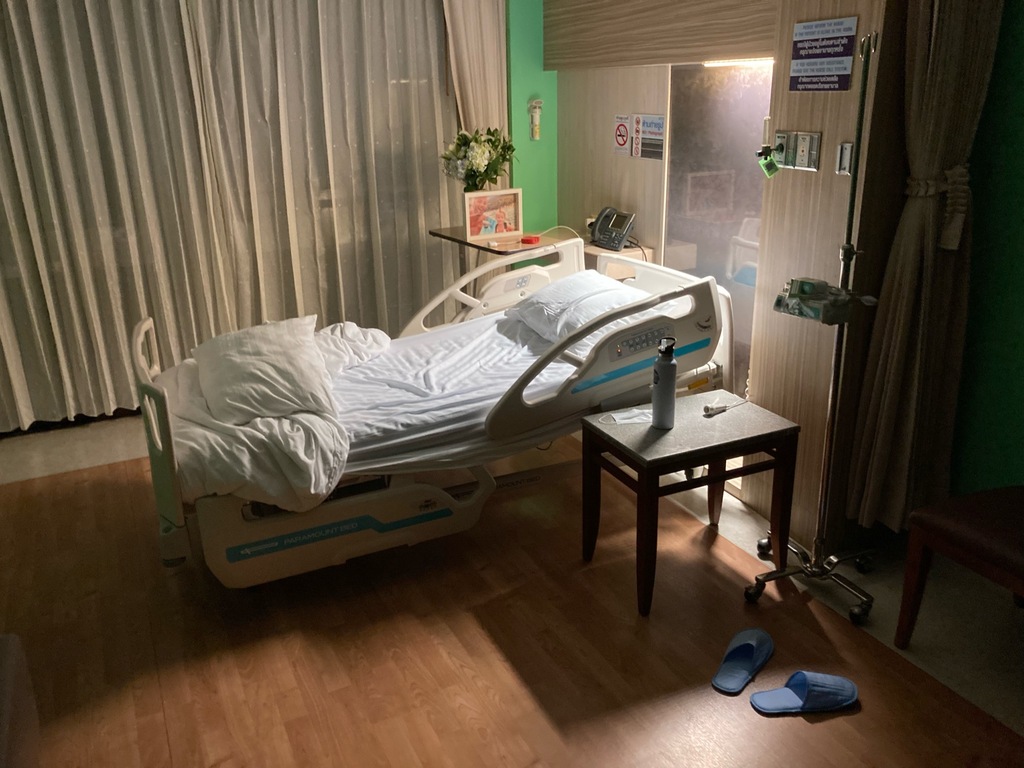
We’ve been living and traveling in Thailand with our kids since 2019, and we’ve been really lucky so far. No serious health issues. Still, things happen, especially with little ones. Fevers, coughs, sudden colds… you name it. Whenever we were concerned, we just went to a local doctor or straight to an international hospital. Communication has never been a problem. Doctors and nurses in international clinics speak English very well, and they’ve always treated us kindly and professionally.
And the cost? Very reasonable. We usually didn’t pay more than €15 (around $16 USD) for a doctor’s visit with the kids. Once, while staying at the Marriott in Khao Lak, Ruby had a fever for days and felt miserable. We had a doctor come directly to our hotel room. It cost 2,000 THB (around €50 / $55 USD), which felt a little high, but it gave us peace of mind knowing she was okay and didn’t need hospital care.
That said, we did have one big exception. Lila once had a serious bronchitis and had to stay in the First Western Hospital in Koh Phangan for four nights. The final bill was a shocking €8,000 (around $8,600 USD). I’m convinced the only reason it was that high was because they saw our insurance provider and knew it would be covered.

So here’s what I’d recommend: Get solid travel insurance that covers the whole family, including worst-case scenarios like hospital stays and emergency transport to the nearest international hospital. Do some research before your trip and find out where the closest international or English-speaking hospital is, just in case. It’s a small thing that makes a big difference when something goes wrong.
Thailand’s private hospitals are excellent. Places like Bangkok Hospital (Ruby was born in Bangkok Hospital Samui), Samitivej, or Bumrungrad offer high-quality care and fast service, especially in bigger cities and tourist areas.
👉 This is the family health insurance plan we use.
Some general safety tips we follow:
- Only drink bottled water. We brush our teeth with tap water, but if you’re sensitive, use bottled water for this, too.
- Peel fruit and avoid raw salads in small street stalls.
- Buy mosquito spray that’s safe for toddlers.
- Pack a small first-aid kit with basics like fever meds, wound cream, and a thermometer.
And honestly? Don’t panic. Thai people are incredibly helpful. Whether it’s a clinic visit, a pharmacy run, or an emergency, someone will always stop to help.
Best Toddler-Friendly Destinations in Thailand
I wouldn’t recommend all of Thailand for toddler travel. Here’s where I’d go, and where I’d skip.
Bangkok
Busy? Yes. Overwhelming? Sometimes. But also amazing, if you do it right. Stay near a park or a mall, use Grab to get around (avoid rush hours!), and keep days short. Hit IconSiam, take a boat ride on the river, grab fruit smoothies, and chill at Lumphini Park.
Best for: Short city stays after landing, not longer than 2-3 nights with a toddler Avoid: Long walks in midday heat
Chiang Mai
We lived here when Ruby was six months old. Cool mornings, mountain views, great coffee, and less chaos than Bangkok. Use a baby carrier and explore temples, local markets, or hike the Monks Trail (my daily workout to lose the pregnancy weight).
Best for: Chill parents who love nature Avoid: Smoky season (Feb, Apr), my husband and Lila already had respiratory problems in January
Koh Samui
Convenient, easy, and full of options. Supermarkets, hospitals, family resorts, and indoor play areas. It’s touristy, yes, but that can be a good thing with a toddler.
Best for: First-time family trips to Thailand Avoid: Staying right in Chaweng (noisy)
Koh Phangan
Peaceful, green, and relaxed. You’ll need a car, though, no taxis, no Grab. Healthcare is limited, but it’s perfect for slow travel and beach naps.
Best for: Off-grid nature time Avoid: Staying four nights before and after the Full Moon Party (too crowded with the wrong kind of people)
Koh Tao
Cute, scenic, but tiny and rustic. Only go if you’re up for scooters and fewer comforts.
Best for: Adventurous families Avoid: If you want easy stroller days
Phuket
The biggest island. Tons of resorts, malls, water parks, and family-friendly beaches. If you avoid the party zones (like Patong), it’s super comfortable with a toddler. A half-day island hopping tour is nice with young kids!
Best for: Resort-style relaxing Avoid: Peak-season traffic
Krabi
Not always mentioned, but I like it. Gorgeous cliffs, toddler-friendly beaches, and less touristy than Phuket. You can take longtail boats to nearby islands or wander around Ao Nang with a stroller. Here’s my Krabi Family Guide.
Best for: Beach + nature combo Avoid: Remote areas without proper baby facilities
Koh Yao Yai (for Pros)
We spent a week here with our girls and loved the peace. Fewer tourists, calm beaches, and no party noise. You’ll need to rent scooters, as there’s no Grab or easy taxis. Playgrounds? No. Chaos? Also no. It’s quiet, safe, and slow. Here’s what we did with our girls in Koh Yao Yai.
Best for: Families who’ve done Thailand before and want peace Avoid: If you need daily entertainment or kids’ activities
Fun & Easy Activities With Toddlers in Thailand
Toddlers don’t need a packed itinerary. Here are some of our favorite activities that always worked with our girls:
- Beach mornings before it gets too hot
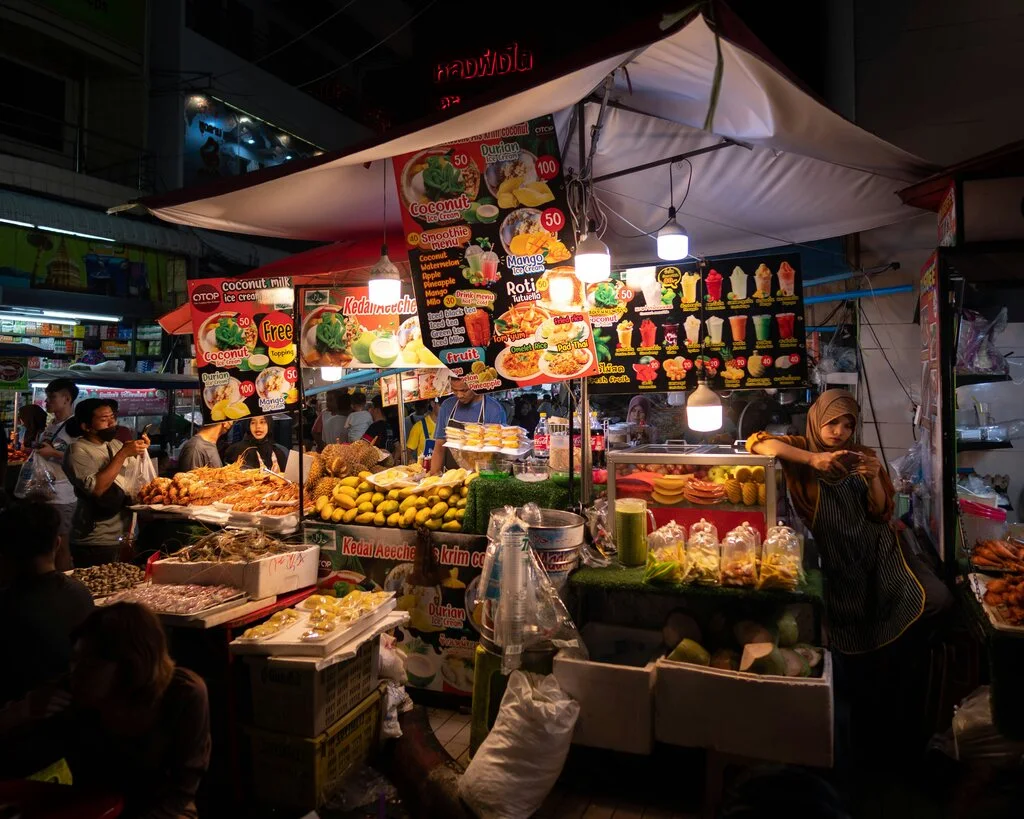
- Night market strolls in a stroller or baby carrier, plenty to see, hear, and snack on
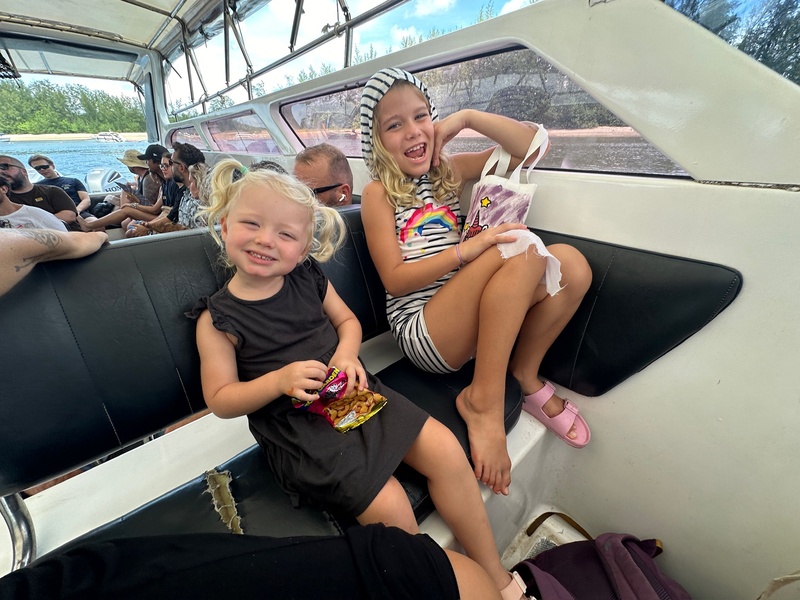
- Short boat rides to nearby beaches (calmer waters are best), check out my review of Pig Island near Samui
- Playgrounds, both indoor and outdoor
- Visits to malls for the air-conditioning and clean bathrooms
- Hotel pools, especially those with shallow areas or shaded corners
- Feeding fish at temples, which is surprisingly fun, just buy a bag of bread on-site for 10 THB
👉 If you want a zero-stress day, book a short family-friendly boat trip or a guided food market walk (stroller-friendly).

How to Handle Jet Lag With a Toddler
Jet lag and toddlers are not best friends. But you’ll survive. What helped us:
- Start shifting bedtime a few days before your flight
- Get outside in the sun ASAP after landing
- Stick to bedtime routines (bath, cuddles, same book)
- Bring comfort items from home (blanket, sleep sack, music)
- Keep naps short on the first couple of days
It might take 2-3 nights to adjust. Just be patient, and nap when you can!
Budgeting Tips for a Thailand Trip With a Toddler
Good news: Thailand is way more affordable than most family destinations, especially for our American friends who are used to Mexico prices. Here’s a quick idea of what you’ll spend:
Accommodation
- Budget guesthouse: $30-$50 (around €28-€47)
- Mid-range family hotel: $60-$120 (around €56-€112)
- Luxury resort with baby perks: $150+ (around €140+)
Food
- Local Thai meals: $2-$5 per dish (around €1.85-€4.65)
- Western meals or “plain” toddler food: $5-$10 (around €4.65-€9.30)
- Snacks and fruit: cheap and everywhere
Transport
- Grab rides in cities: $2-$8 (around €1.85-€7.45)
- Private transfers: $20-$50 (around €18.50-€47)
- Domestic flights: Free for kids under 2 (lap baby); $25-$50 (around €23-€47) for toddler seats
Essentials
- Diapers: 200 THB ($5.50 / around €5) for a large pack
- Baby food jars or pouches: 50-120 THB ($1.50-$3.50 / around €1.40-€3.25)
- Sunscreen and mosquito spray: slightly more expensive than at home, but easy to find
Itinerary Ideas for Thailand With a Toddler
Struggling to map out your trip? Here are a few age-based itinerary ideas to help you think it through.
- For a 1-year-old: Stick to one or two destinations, Koh Samui or Chiang Mai are ideal. Focus on pool time, gentle beach days, and short, easy outings. You don’t need to see everything. A slow pace with familiar surroundings does wonders for little ones this age.
- For a 2-year-old: Add a bit more variety. Chiang Mai’s city parks, a gentle evening market stroll, or a quiet night market by stroller are all perfect. Two-year-olds love novelty, but they still need routine, so build plenty of downtime around the fun stuff.
- For a 3-year-old: Mix in some proper day trips. A half-day boat tour in calm waters, a visit to an ethical animal sanctuary, brief temple stops, or even a family cooking class (if your child will sit through it) all work well at this age. Three-year-olds can handle more, but naps and pool time still rule the schedule.
Limit travel days, build in real downtime, and always stay flexible. The best Thailand trips with toddlers are the ones where you didn’t try to do too much.
Healthcare in Thailand: What Parents Need to Know
Thailand’s medical care is excellent in tourist areas, but hospital quality does vary by region, and that matters when you’re traveling with a small child. Before your trip, save contact information for at least one recommended hospital or clinic at each stop on your itinerary. Ask your accommodation who they call if a guest’s child falls sick. Most hotels have a go-to clinic and can help you get there fast.
Keep your insurance details on your phone and a printed copy in your bag. Pharmacies are reliable for basic medications, but bring your child’s regular prescriptions from home, brand names differ, and hunting for an equivalent in a foreign pharmacy is stressful when your toddler is running a fever.
Big cities and tourist hubs, Bangkok, Chiang Mai, Phuket, Koh Samui, offer plenty of English-speaking providers and excellent private hospitals. Rural areas and smaller islands? Less so. That’s not a reason to skip them, but it is a reason to plan ahead.
Having a simple plan before you need it makes a huge difference. When Lila was hospitalized in Koh Phangan, we were relieved we already knew where to go. The panic was bad enough without having to search from scratch.
👉 You might also like:
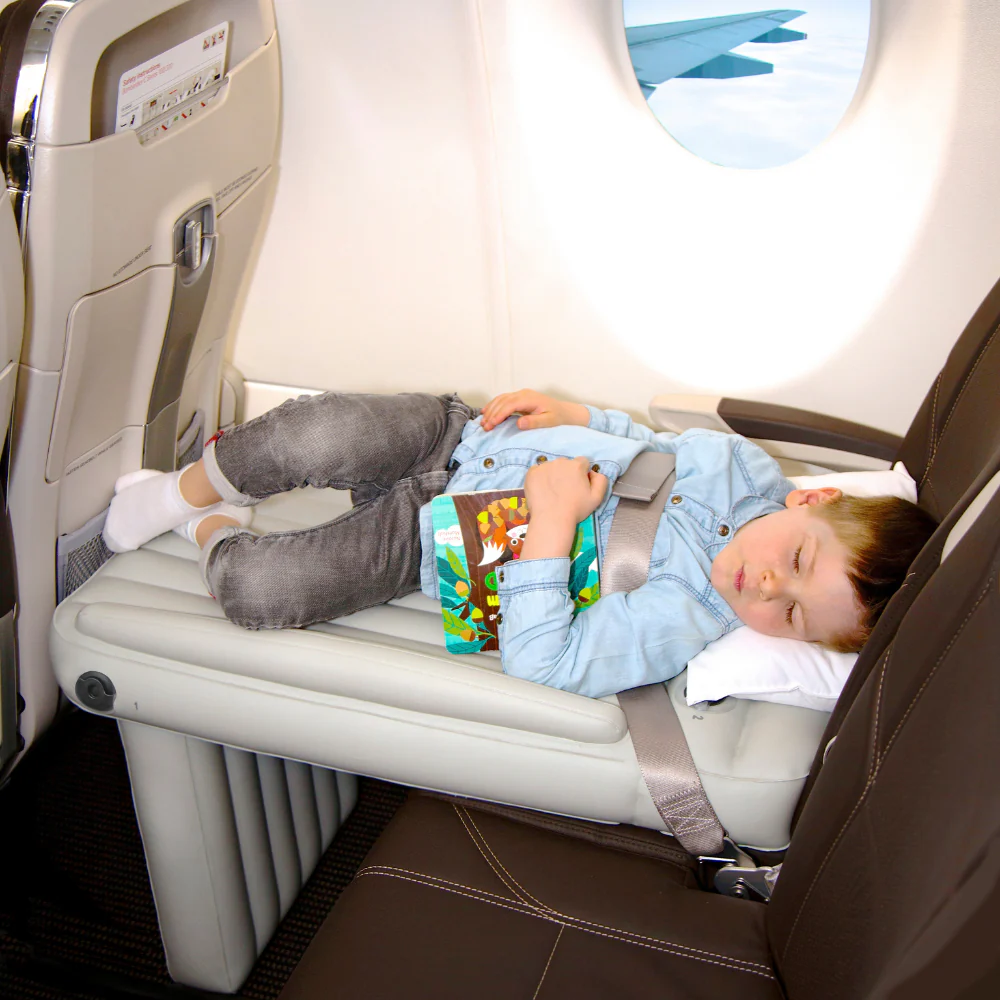
– The 5 Best Airplane Beds for Toddlers and Babies
– Eating Out with Kids in Thailand
– 31 Healthy Travel Snacks for Kids
Key Takeaways
- Thailand is genuinely toddler-friendly, affordable, and one of the easiest long-haul destinations for families.
- Best weather for toddlers is December to mid-March, cooler, less humid, fewer mosquitoes.
- Hot season works best if you have a shaded pool, a kids’ club, and short outdoor windows.
- Baby supplies (diapers, wipes, formula, sunscreen) are easy to find in cities, bring key meds and comfort items from home.
- Travel insurance covering the whole family, including hospitalization and emergency transport, is non-negotiable.
- Book hotels with cribs, high chairs, and a shallow or shaded pool, always confirm before you arrive.
- Grab and domestic flights make family travel much easier than night buses or long train rides.
- Scooters work on quiet islands if you’re confident; stick to Grab and taxis in bigger cities.
- Pack light, plan around naps, build in downtime, and skip the midday heat.
Final Thoughts
So, is Thailand a good idea with a toddler? A million times yes. It’s warm, welcoming, and filled with people who will help you carry your bags, open a door, or distract your screaming child with a smile and a wave.
You’ve got this. And if you need help planning? Please let me know in the comments! I’m happy to answer your questions!
Thank you for reading and for making me part of your day!
Yours, Lulu
Frequently Asked Questions
Is Thailand a kid-friendly vacation spot?
Absolutely. Thailand is one of the most kid-friendly destinations in Asia. Thai people genuinely love children and go out of their way to help families. Restaurants, hotels, and public attractions are almost universally welcoming to kids and their quirks, you’ll feel it from the moment you land.
What are the best places in Thailand for families with toddlers?
Top picks are Koh Samui, Phuket (outside Patong), Krabi, and Chiang Mai (outside smoky season, February to April). These destinations have solid family hotel options, reliable transport, good supermarkets, and access to English-speaking healthcare, all the things that matter most when you’re traveling with a small child.
Is it safe to take a 2-year-old to Thailand?
Yes. Thousands of families travel Thailand with toddlers every day. The biggest risks are traffic (car seats are rare in taxis), strong sun, and dehydration. Plan around naps, keep mornings for outdoor activities, and you’ll be absolutely fine.
What should I pack when visiting Thailand with a toddler?
Bring a baby carrier, sunhat, swimsuit (UPF-rated if possible), your child’s regular medications, and a favorite comfort item, these are harder to source locally. Diapers, wipes, formula, sunscreen, and mosquito spray are all easy to find in cities and tourist areas, so no need to overpack those. For rural or island destinations, bring enough to cover your first few days.
Can you find car seats for toddlers in Thailand?
Car seats are rare in standard taxis and Grab cars, most toddlers end up on laps. If seat safety is important to you (and it should be), bring your own or pre-book a private transfer that specifically offers car seats. Car rental companies may provide them on request, but availability varies and it’s not guaranteed.
Do most hotels in Thailand provide cribs and high chairs?
Many mid-range and luxury hotels do, but you should always confirm before booking. I send a quick message to every hotel ahead of time to ask about both. If they can’t confirm a cot or high chair, I look elsewhere. It’s a small check that saves a lot of stress on arrival.
Is travel insurance important for families in Thailand?
It’s essential. Our daughter Lila’s four-night hospital stay in Koh Phangan cost €8,000, and we were very glad we had coverage. Solid travel insurance covering the whole family, including hospitalization, emergency transport, and evacuation to the nearest international hospital, is non-negotiable when traveling in Thailand with kids.
How much should I budget for a Thailand trip with a toddler?
Expect to spend $60-$120 per night for a mid-range family hotel, $2-$10 per meal, and $20-$50 for private transfers. Essentials like diapers are affordable (around $5.50 for a large pack). The biggest wildcard costs are healthcare if you’re uninsured, and private transfers with car seats. Overall, Thailand is significantly cheaper than most Western family holiday destinations.
What’s the best way to get around Thailand with toddlers?
Grab and taxis in cities, domestic flights for longer distances, and Songtaews on islands like Koh Phangan. Scooters are fine on quiet islands if you’re confident, we rode with Ruby from six months old. Long night buses and overnight trains are best avoided; they’re cheap but exhausting with a toddler.
Is Thai food safe for toddlers?
Yes, with some easy adjustments. Thai food is fresh and easy to adapt, ask for plain rice, steamed vegetables, or scrambled eggs, and most restaurants will happily oblige. Avoid anything spicy, peel all fruit yourself, and skip raw salads from small street stalls. Local fruit like banana, papaya, and watermelon make brilliant toddler snacks.
What are hidden costs to watch out for in Thailand with a toddler?
The two biggest surprises are healthcare without travel insurance and private transfers with car seats. Everything else, food, diapers, accommodation, domestic flights, is generally much cheaper than in Europe or the US. Budget a little extra flexibility and you’ll be fine.