

Is Cape Town a Good Place to Live With Kids in 2026?
Cape Town can be a wonderful place to live with kids in 2026 if you choose safe neighborhoods, stay aware, and enjoy an outdoorsy lifestyle. While safety takes active effort and expats rely on cars, families enjoy space, community, great schools, and easy access to beautiful nature. Costs are reasonable by global standards, and a real sense of everyday comfort is possible.
From Thailand to Living in Cape Town with Kids
We’re a digital-nomad family of four. For the past few years, we’ve stayed at least three months in every place, mostly across Thailand, Bali, and New Zealand. Our life is built around remote work, international schools, and exploring new places together.

Cape Town isn’t new to us. We were here nine years ago, on our honeymoon, when I was pregnant with Lila. Back then, we fell in love with the views and the energy, but always wondered what life here would feel like with kids. Now we’re back, this time as a family, and staying for three months. As I write this, we’re in our second month, somewhere between “new and exciting” and “we actually live here now.”
Friends had warned us: “It’s stunning, but dangerous,” “affordable, but tricky.” Still, we wanted to see for ourselves. We rented a house in the suburbs, enrolled the girls in an international school, and decided to live like locals instead of tourists.
👉 Don’t have time to read the whole article? These are the best Cape Town Tours!
👉 Find Family-Friendly Hotels in Cape Town.
Everyday Life Feels Surprisingly Normal
Cape Town is one of those places that looks exotic on postcards but feels surprisingly normal when you live here. So before the details, here’s what our everyday life actually looks like.
Our days start early. School drop-off is at 7:30 am, which means we wake up at 6:30. The sun rises early too, so mornings are bright and fresh. The school has this lovely system where you drive through a small roundabout, and a smiling security guard opens the door for your child. The headteacher stands at the entrance and greets every kid by name. It’s such a small thing, but it sets the tone for the day.

Both girls stay until 4 pm with aftercare and ECAs (extracurricular activities). That gives my husband and me time to work, he from home, me from cafés. I love the work vibe here. Cape Town has excellent coffee shops, fast Wi-Fi, and plenty of quiet corners to write. My favorites are in Bree Street in the CBD and right here in Constantia, close to home.
After school, I pick the girls up, and we often stop by one of the shopping villages, these neat open-air malls that have everything in one spot: grocery store, pharmacy, nail salon, and toy shop. Super handy! By 8 pm, everyone’s in bed. Early mornings make for early nights. Sounds pretty normal, right?
Before the Move, the Organization
Before arriving, I had to organize three things: a house, a school, and a car. I started well in advance, about 8 months before. As always, I start with finding a school, because the schools’ location determines where our home will be situated.
Finding a School
Finding a school for a short stay is always tricky. The older the kids get, the harder it is to find places that accept them short-term. I got a few rejections before things started to work out.
To keep driving simple, I wanted both girls at the same school. And since they’ve been following the British curriculum in Thailand for two years already, that was non-negotiable for me.
I applied to ISCT (International School of Cape Town). They were kind, responsive, and easy to talk to from the first email, such a relief after a few stressful applications. Before Lila got her spot, she had to complete a two-hour online assessment at her previous school in Thailand. It covered English, math, and logic. She was nervous, but she did great, and once she was accepted, everything moved quickly.
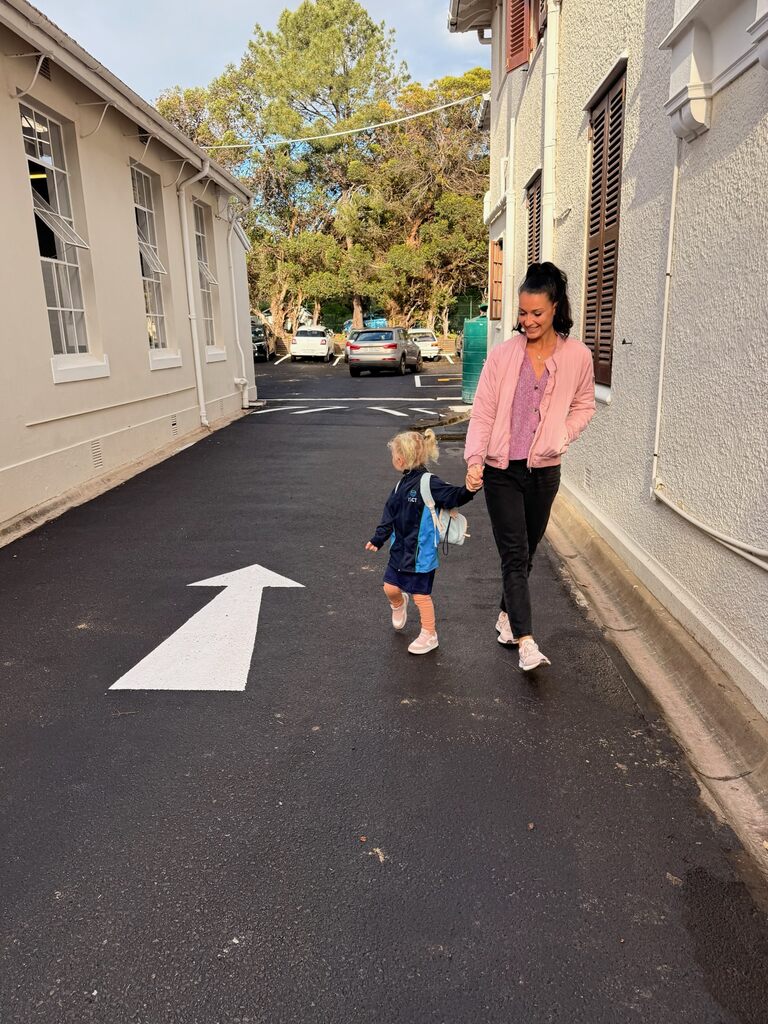
The teachers are warm but firm, and communication with parents is excellent. Termly fees for private international schools in Cape Town are around $1,500 USD (€1,380 / R27,500), with a bit extra for uniforms, ECAs, and aftercare. That’s exactly what we’re used to pay in Thailand.
The school offers lots of ECAs (extracurriculars), from ballet and cheerleading to soccer and art. Lila does yoga, arts, basketball, and running. Ruby goes to courses, with cute names like “Dance Mouse” and “Monkeynastics”. Both love it.
Finding a Home
After living in Thailand for years, the house prices in Cape Town didn’t shock me at all. Prices in Thailand have skyrocketed recently. You can easily pay between $2,500 and $4,500 USD (≈ €2,300, €4,150) for a two- or three-bedroom house in Koh Phangan. So, Cape Town actually felt fair.
I first tried to find a place through Facebook Marketplace, my go-to in Thailand for long-term rentals, but that didn’t work here. Then I moved on to local property sites, but even with a paid subscription, most agents never replied. Booking.com wasn’t an option either for long stays. In the end, I went for the last resort: Airbnb. And I’m glad I did. I found an amazing deal and booked it right away.
Sure, we’re paying a bit more than a typical long-term renter would for six months or more, but that’s fine. That’s literally the price we pay for flexibility.
We now rent a house on a large property in Constantia, shared with the owners and two other families (the property, not the house). There are eight dogs, chickens, and even geese roaming around. The girls love it. It feels peaceful and social at the same time.
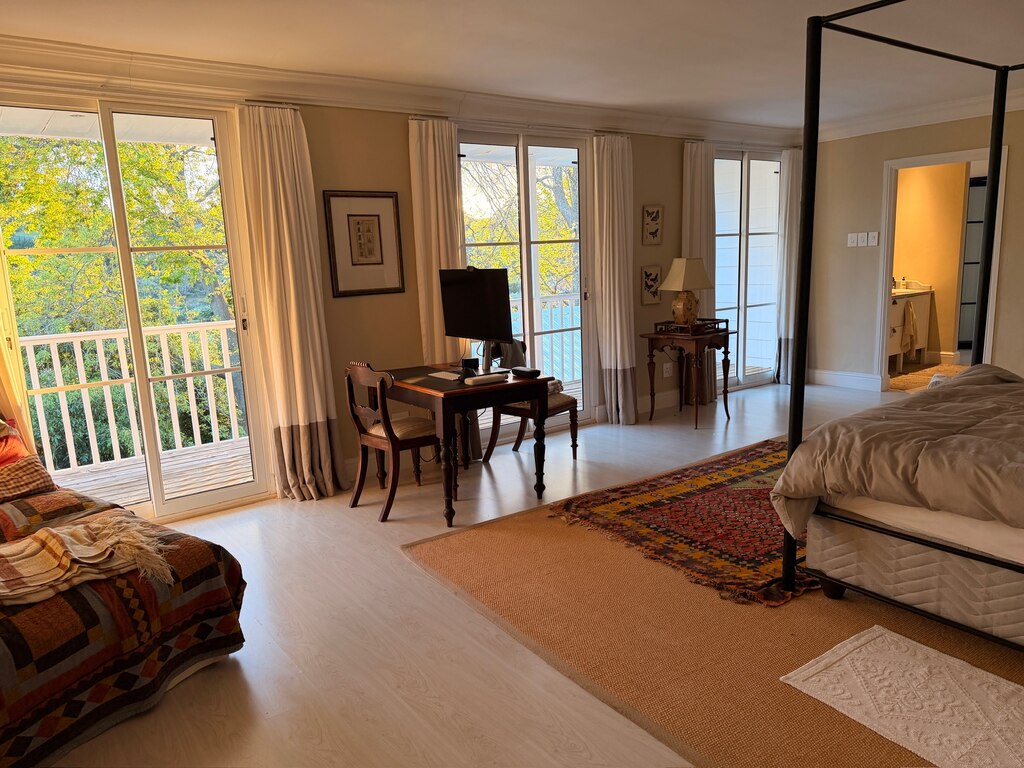
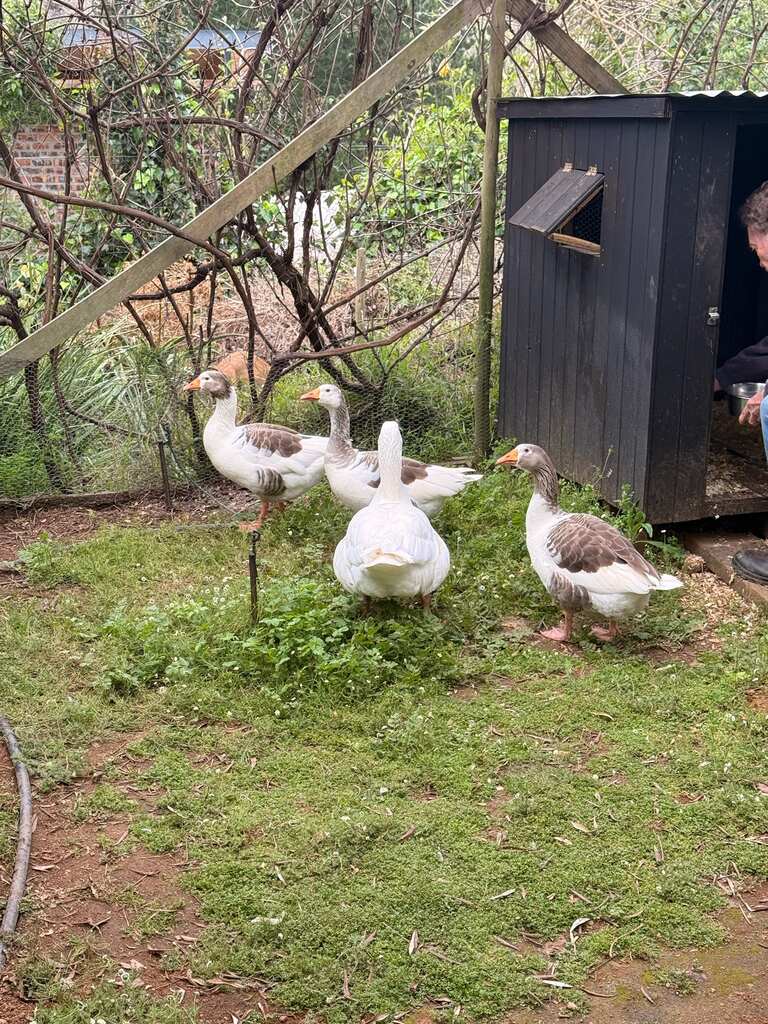
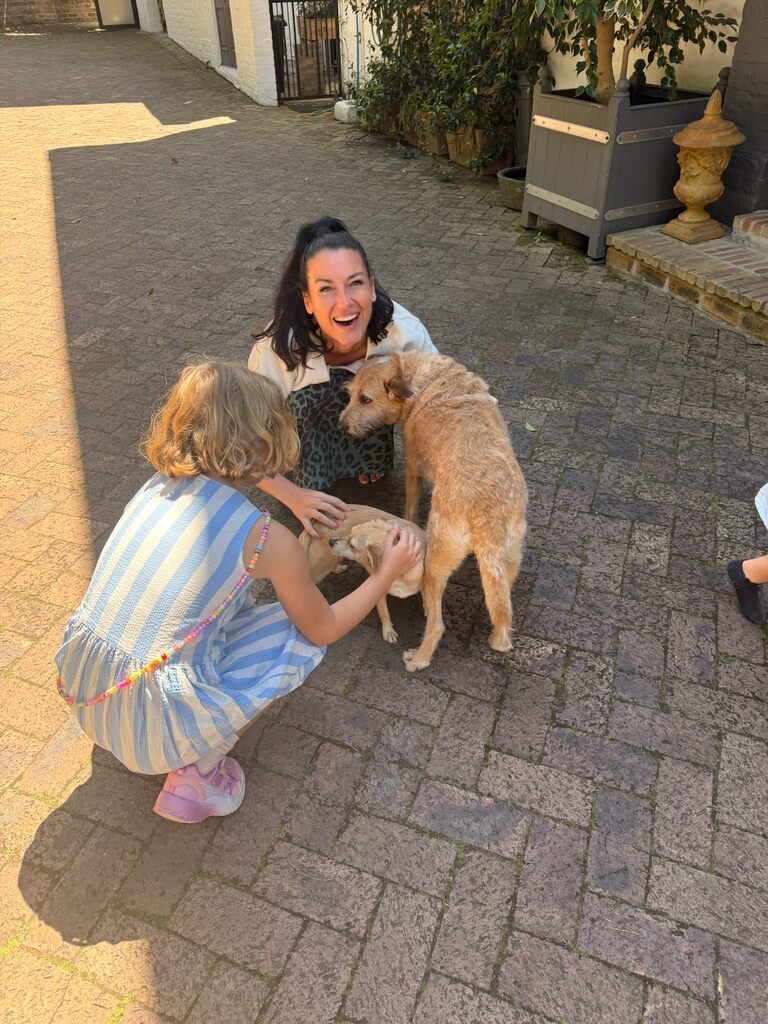
We pay around $3,500 USD (≈ €3,000 / ≈ R60,500) per month, which is great for a spacious house, a pool, weekly cleaning, and a “new family”.
Where to Stay (and Where Not To)
We’ve stayed in the City Bowl, Sea Point, and now Constantia, and honestly, all three felt safe. Each neighborhood has its own charm and rhythm, so it depends on whether you want cafés and energy or trees and quiet.
Great family areas:
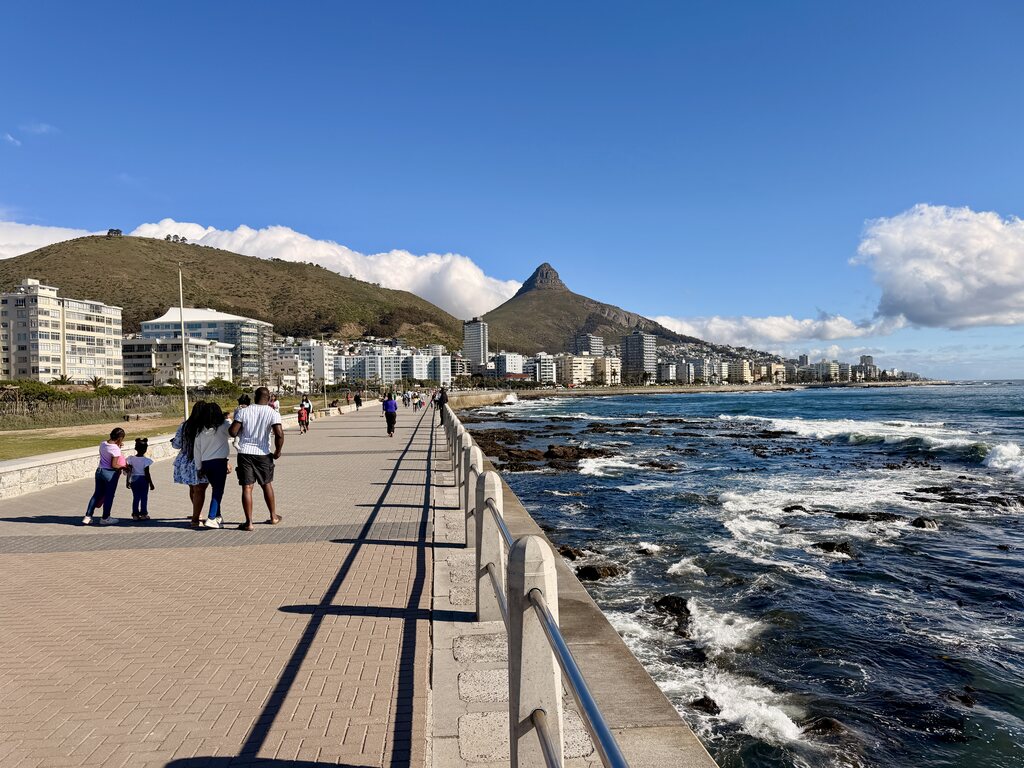
- Sea Point & Green Point: Ideal for families who love morning walks by the ocean and easy access to the Waterfront.
- Camps Bay & Clifton: Picture-perfect beaches and sunset dinners, pricier but stunning.
- Constantia & the Southern Suburbs: Peaceful, green, and perfect for family life. That’s where we live now, and I love the calm.
Trendy but mixed:
Woodstock and Observatory are great for a coffee or some thrifting, but feel different depending on the street. We went one evening for vintage shopping, and while nothing happened, I wouldn’t bring the girls there. It’s fun for an adults-only outing, though.
Areas to skip:
Khayelitsha, Nyanga, and similar townships, unless you’re joining a guided cultural tour. These areas face big social challenges, and wandering alone isn’t safe.
If you want to combine safety, community, and convenience, the southern suburbs or Sea Point are my top picks. Here are some nice and family-friendly hotels in safe areas:

Southern Sun Waterfront Cape Town
- From $210 (€180) per night (Standard Room)
- Modern family-friendly hotel near the V&A Waterfront with pool, gym, and free shuttle to main attractions

Lagoon Beach Hotel
- From $150 (€140) per night (2-bdr Apartment)
- Beachfront hotel, 2 pools, kids staying free, and stunning Table Mountain views
Pros and Cons of Living in Cape Town With Kids
No honest guide should skip this part. Here’s the real picture.
Pros:
- The outdoor lifestyle is extraordinary, hiking, beaches, nature reserves, and wildlife are part of ordinary weekends.
- A strong, friendly expat community exists once you find your people (give it time, it does happen).
- International schools are genuinely good and competitively priced by global standards.
- Daily costs are very affordable if you earn in dollars or euros, coffee, groceries, childcare, and eating out are all easy wins.
- Kids grow up more aware, curious, and connected to the real world here. That part is priceless.
Cons:
- Safety awareness goes into every decision here, where you park, when you walk, which route you take.
- A car is non-negotiable. Public transport simply isn’t designed for family life here.
- Visa logistics for stays beyond 90 days are paperwork-heavy and require early planning.
- Making genuine friendships takes longer than you might expect. The warmth is there, but depth takes time.
Cape Town’s biggest advantage is the blend of adventure and everyday comfort. On the flip side, you’ll need to stay safety-aware at all times. But for most families we’ve met here, nature, lifestyle, and daily ease make up for these hurdles, easily.
Quick Safety Rules for Families in Cape Town
Before moving here, I was terrified of the crime stories. I imagined we’d never walk outside after sunset. And yes, I was nervous that first week. I drove with my heart pounding, checking mirrors and clutching the wheel at every red light. But reality is different.
Once you settle, you realize life goes on normally. People work, kids go to school, families walk dogs in the park. Here are the rules we follow every day:
- Always lock car doors and keep valuables hidden, even while driving.
- Avoid walking after dark, especially outside main neighborhoods.
- Stick to busy, well-lit areas for evening outings.
- Don’t leave anything visible in the car, not even your jacket.
- Pick neighborhoods with schools and playgrounds nearby.
- We usually avoid highways or roads that pass close to townships, as that’s where we’ve heard about the most incidents.
Regular basic vigilance goes a long way towards feeling at home here, you’ll quickly find your safe rhythm. Now, I honestly feel safer than I did in our first days. Cape Town isn’t dangerous if you know where to go and how to move. And with kids, you naturally gravitate toward the safest spaces, schools, playgrounds, cafés, and parks full of families.

Groceries and Daily Costs
Groceries for a family of four cost about $150, $200 USD (≈ €140, €185 / ≈ R2,750, R3,600) per week. Imported items like European cheese are expensive, but local fruit, veggies, and bread are fresh and affordable.
A flat white at a café costs around $2.50 USD (≈ €2.30 / ≈ R45), and eating out as a family is usually $30, $50 USD (≈ €28, €46 / ≈ R550, R930) for a full meal with drinks. My grande matcha latte at Starbucks costs only about €3 (≈ $3.20 / ≈ R60). That’s 4 Euros cheaper than in Europe! And here’s my favorite part: three pizzas from Butlers, our go-to delivery place, cost roughly €14 (≈ $15 / ≈ R280) in total. That’s the price of a single pizza elsewhere.
There’s a Woolworths or Pick ‘n Pay on almost every corner, both great for everyday shopping. Woolworths is a bit pricier but has excellent quality. For weekends, Farm Markets are perfect, you get fresh produce, local snacks, and a fun morning out with the kids.
Family Cost Breakdown: What We Spend Each Month in 2026
This is one of the questions I get asked most, so here’s the honest breakdown, no rounding up, no surprises hidden in the footnotes.
| Category | Monthly Cost (USD) |
|---|---|
| Housing (Constantia, 3-bed house with pool) | $3,500 |
| International school fees (per child, per term, averaged monthly) | ~$500/child |
| Groceries | ~$800 |
| Nanny (part-time, with transport) | $350, $450 |
| Car rental | $450 |
| Utilities & cleaning | Included in rent |
| Weekend outings, eating out, extras | $400, $500 |
| Total (approx.) | $5,500, $6,000/month |
For a family of four living comfortably in a safe suburb, with international schooling and lifestyle perks, that’s genuinely competitive. Especially compared to what the same quality of life would cost in London, Sydney, or San Francisco. Costs do vary by neighborhood and schooling choices, but this is a realistic picture of what we actually spend.
Childcare and Nanny Costs
I found our nanny, Evie, through other mums in a local Facebook group. She’s a mum of two herself and used to run a daycare for ten years. So she really knows what she’s doing. The girls adore her.
Evie gets R100 per hour (≈ $5.40 / ≈ €5) plus R300 (≈ $16 / ≈ €15) for transport each time she comes plus tip. It’s about the same as what we pay for nannies in Thailand, and still very affordable for the level of care she gives.

Getting Around, Renting a Car in Cape Town
Public transport isn’t really an option for families in Cape Town. Buses are limited, and the minibus taxis aren’t safe for everyday use. We decided to rent a car instead and went with Pace Car Rental. They’ve been great, easy to communicate with and flexible for long-term rentals. We pay around $450 USD (≈ €415 / ≈ R8,200) per month for a small Volkswagen, which works perfectly for school runs, grocery trips, and weekend adventures.

Having our own car simply is the easiest and safest way to get around. We chose something small and non-flashy to blend in, and parking is usually straightforward. For nights out or when my husband has the car, Uber is reliable, fast, and cheap, most rides cost around $5, $8 USD (≈ €4.60, €7.40 / ≈ R90, R150).
Visa for South Africa, How Long Can You Stay
Most nationalities, including visitors from Europe and the US, can stay in South Africa for up to 90 days on a tourist visa. You don’t need to apply in advance, it’s issued automatically when you arrive.
If you plan to stay longer, you’ll need to leave the country and re-enter after those 90 days or apply for a visitor visa extension at a VFS Global office in Cape Town. The process can take a few weeks, so start early. Extensions are usually granted for another 90 days, which makes it easy to stay for about six months in total, perfect for a family season abroad.

Family-Friendly Places We Love
These are our favorite places with kids for now (I’ll constantly update):
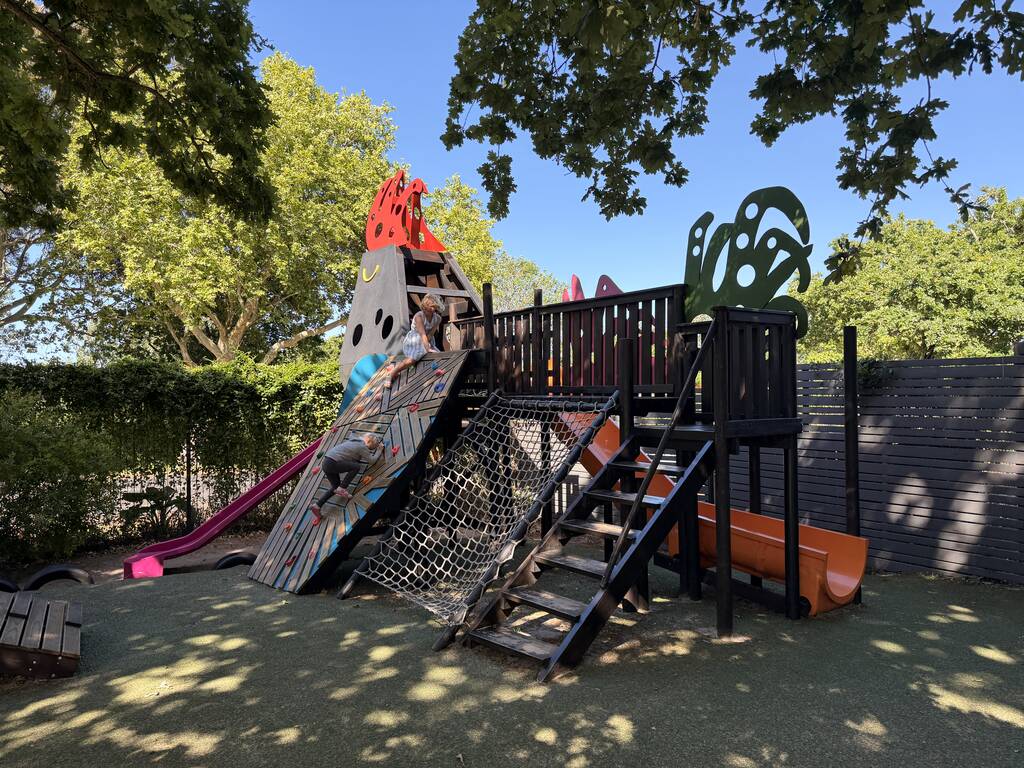
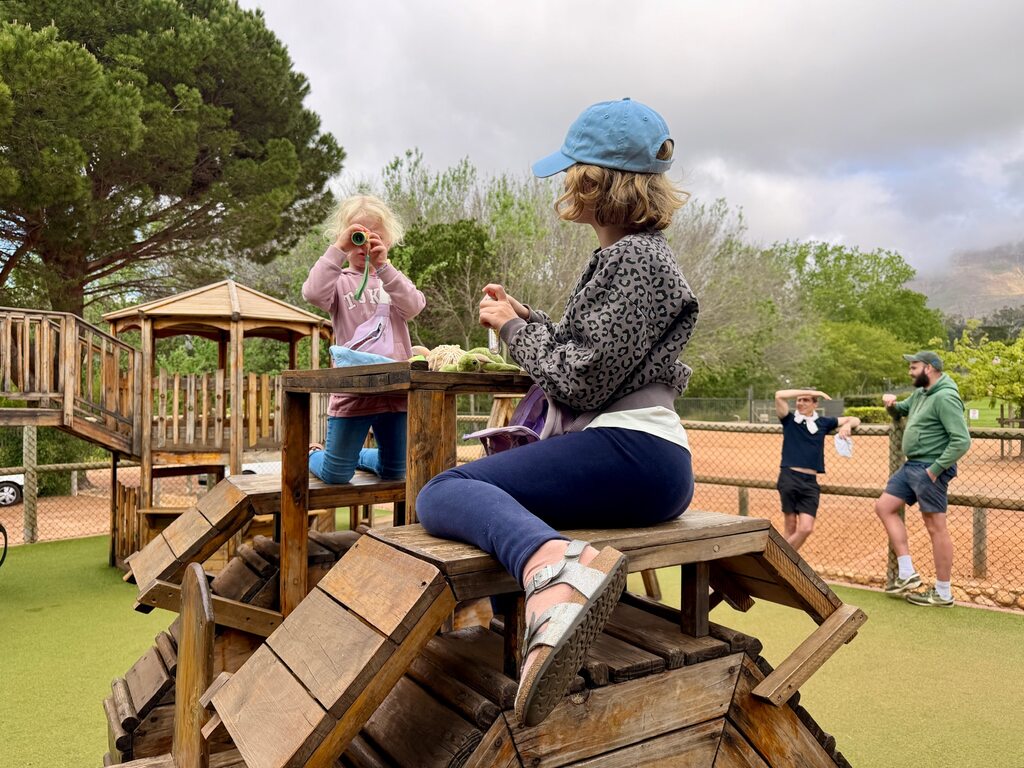
Blockhouse Kitchen, Constantia Set on a big farm complex with stunning mountain views, delicious food, and a cute wooden playground. Just beware of the cheeky baboons that sometimes wander in and steal your food, that’s happened to us twice already! Location: Blockhouse Kitchen
Deer Park Café, Vredehoek A real Cape Town favorite for families. The restaurant has both indoor and outdoor seating and a huge playground right next to it. Location: Deer Park Café
Dunes Beach Restaurant & Bar, Hout Bay Right on the beach. The food is just okay, but the playground, wow. Real beach sand, slides, and a relaxed vibe. Location: Dunes Beach Restaurant & Bar
Varsity Club, Plumstead An indoor play café that feels like a tiny world for kids. They can “work” at a supermarket, fire station, or vet clinic, and there’s even an outdoor space with bunnies. It’s clean, friendly, and great on windy days. Location: Varsity Club
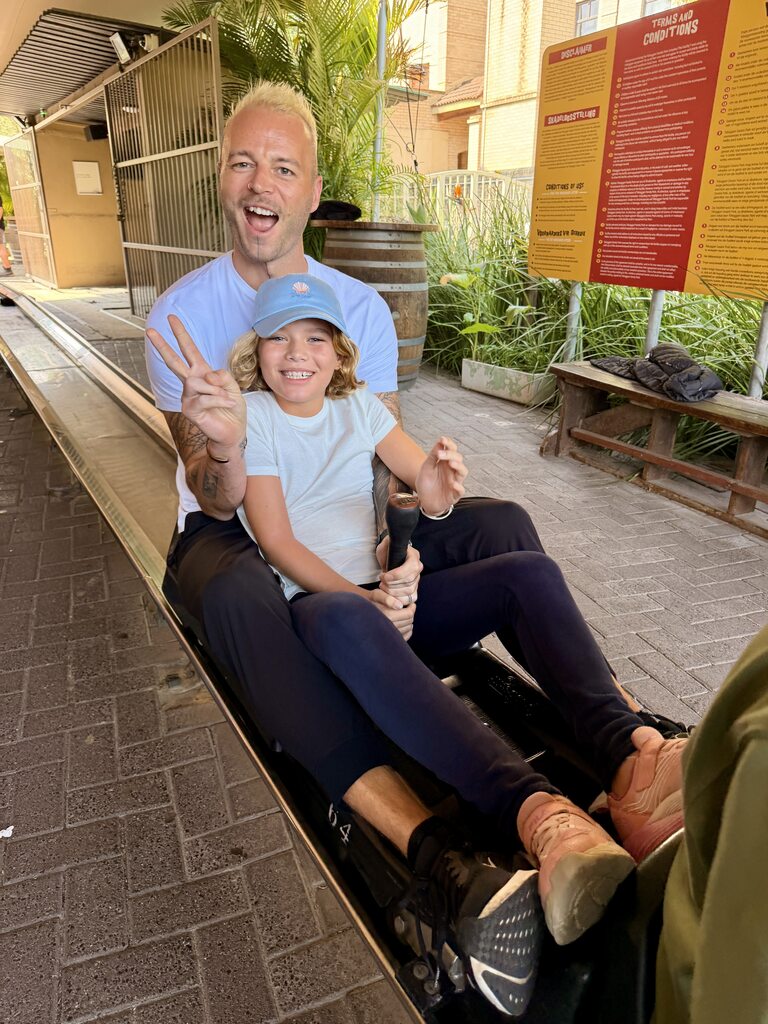
Cool Runnings Toboggan Park, Bellville One of the most fun things to do with kids in Cape Town! Cool Runnings is Africa’s only toboggan track, a long, winding steel course where you control your own speed. Location: Cool Runnings Toboggan Park
Tokai Forest & Secret Forest Café, Tokai A peaceful weekend spot with tall pine trees, easy walking paths, and plenty of space for kids to play. Inside the forest, the Secret Forest Café serves great coffee and pastries in a relaxed outdoor setting. A hotspot on weekends! Location: Secret Forest Café
PlayStation by Rush, Claremont A massive indoor play park with slides, trampolines, and climbing zones. There’s a toddler area for little ones and a café for parents. Location: PlayStation by Rush
Oranjezicht City Farm Market, Waterfront A weekend favorite. We grab breakfast here, sip local coffee, and stock up on veggies. The atmosphere is cheerful, with live music, crafts, and families everywhere. Location: Oranjezicht City Farm Market
Noordhoek Farm Village, Noordhoek A charming little spot that feels like a mini village on its own. There’s a playground under big shady trees, local boutiques, and great restaurants. Parents can relax with coffee or wine while kids run around safely. Location: Noordhoek Farm Village
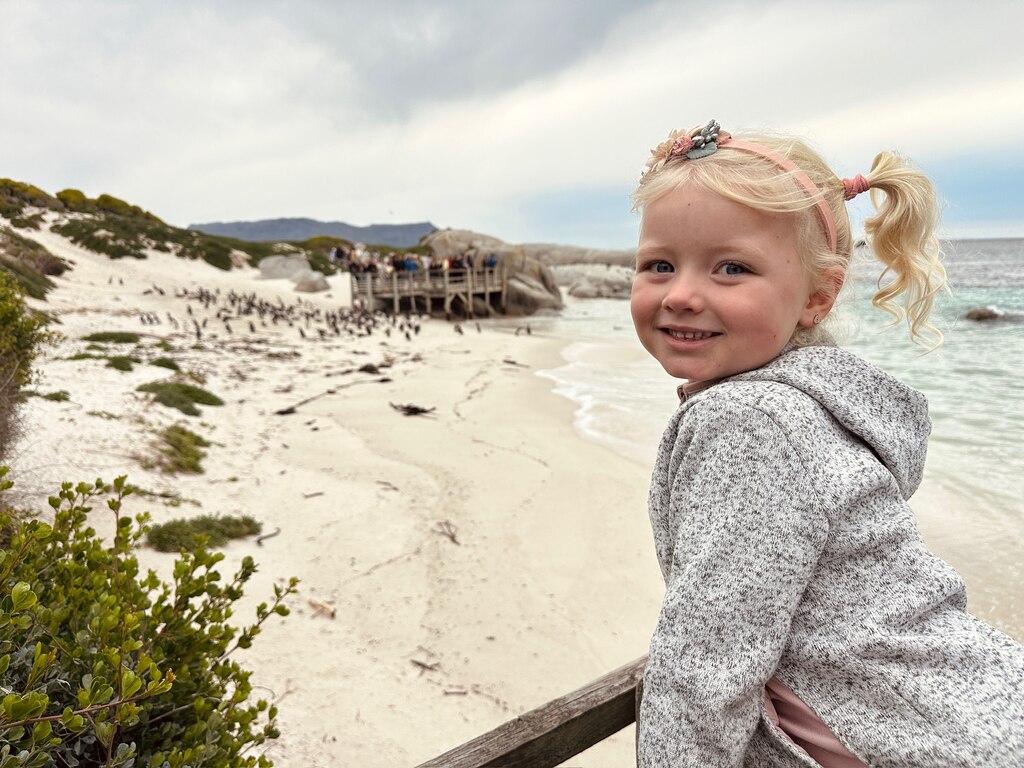
Beyond that, weekends are for adventure. One day you’re hiking up Lion’s Head, the next you’re watching penguins at Boulders Beach or spotting seals in Kalk Bay. And when we need a break from the city, the Cape of Good Hope or Stellenbosch wine farms are only an hour away.
What It Costs to Have Fun
Here’s a quick look at what everyday fun and small luxuries cost in Cape Town:
- Coffee & croissant at a café: $4-5 (≈ €3.70, €4.60 / ≈ R75, R95)
- Family lunch (4 people): $35-50 (≈ €32, €46 / ≈ R650, R930)
- Movie ticket: $6 (≈ €5.50 / ≈ R110)
- Uber ride (10 km): $5-8 (≈ €4.60, €7.40 / ≈ R90, R150)
- Hairdresser (roots + trim + blowout): $45 (≈ €42 / ≈ R850)
- Gel manicure: $26 (≈ €24 / ≈ R500)
- Lash extensions: $31 (≈ €29 / ≈ R600)
For a city this beautiful, that’s incredible value. You can treat yourself without feeling guilty.


Community & Social Interactions
What makes Cape Town special is the people, as much as the scenery. South Africans are warm, funny, and easy to talk to. Everyone loves kids, and small talk happens everywhere, at school pick-up, in cafés, even at the checkout line.
But even with all that friendliness around us, it still took a little time to properly land socially. We chatted with people every day, but deeper friendships didn’t happen instantly. The good news: after two months here, things changed completely. We now have quite a large group of friends, and two families have become really close to us. It turns out we just needed a bit of warm-up time to find our people.
I also realised this experience is super common. One mum told me it took her three years after moving to Cape Town before she felt confident enough to throw her first birthday party. Hearing that made me feel a lot less like a social loser in the beginning.
To meet more people, my husband and I joined Lekker Chats, a local community event that brings strangers together for deep, open conversations about different topics. It’s such a refreshing concept. The small talk is skipped and you get straight to a real conversation. I loved it and can’t wait to go again. (It’s adults-only, though, an afternoon off from parenting!)
What Our Girls Have Learned
Living here has taught our girls so much more than geography. They’ve seen penguins in the wild, hiked mountains, and learned about nature and conservation firsthand. They’ve also noticed differences, in wealth, skin color, and lifestyle, and asked big, honest questions about it all.
At many big street traffic lights, people in need often beg for money or try to sell small items like stickers or flowers. That was completely new to the girls. They’ve seen poverty before in Thailand and Indonesia, but not in this way, not people walking between cars, trying to make a little money at every red light. It opened up a lot of conversations at the back seat about fairness, safety, and how different life can look depending on where you’re born.
That’s the beauty of raising kids in a place like this. It’s real. It’s diverse. It makes them curious and aware of the world around them.
What It’s Like Working Here as Digital Nomads
For remote workers, Cape Town is a dream. The internet is fast, co-working spaces are everywhere, and cafés are built for laptops. We sometimes work from Bree Street, but mainly in cafes in our neighboring areas, Constantia, Newlands, and Claremont. A matcha, power socket, and mountain view, what else do you need?
Also I feel that nobody gives you a look when you work at a cafe for four hours straight. The balance here is perfect. Because the school day is so long, I can get a full day of work done and still squeeze in a gym session or quick hike before picking up the girls.
Key Takeaways
- Pick a safe suburb, everyday comfort in Cape Town starts with where you live. Constantia, Claremont, Sea Point, and the southern suburbs are consistently great for families.
- International schools average $1,500 per term per child, competitive globally, and quality is genuinely high in the right schools.
- Family budget: $5,500, $6,000/month in 2026, that covers comfortable housing, schooling, car rental, childcare, and a real lifestyle in a safe suburb.
- Driving is essential for families here, public transport simply isn’t designed with kids in mind. A rental car changes everything.
- Affordable eat-out and groceries, daily costs are a pleasant surprise if you earn in foreign currency. Coffee, meals, and fresh produce are all excellent value.
- Community grows with time, not instantly, give it six to eight weeks. The warmth is there; depth just takes a little longer to build.
- Safety needs everyday attention, not fear, follow simple rules, stay aware, and it becomes second nature fast.
Final Thoughts: Our Honest Take on Living in Cape Town with Kids
For us, Cape Town has been the perfect mix of adventure and routine. The girls are happy at school, we get proper work done, and weekends feel like mini vacations. We’ve lived in many beautiful places, but Cape Town has something extra.
It’s not perfect. Safety is something you always stay aware of, but it doesn’t define daily life. We’ve found our rhythm, and it feels good. We already know we’ll be back, next time for six months instead of three. That probably says it all.
If you come prepared, curious, and open-minded, Cape Town might just win your heart too.
Thinking about a family move to Cape Town? Drop your questions in the comments below or share your experience, I’d love to hear how life here feels for you.
Thank you for reading and for making me part of your day!
Yours, Lulu
Frequently Asked Questions
Is Cape Town safe for expat families with young children in 2026?
Yes, Cape Town can be safe for expat families with children if you choose established, secure suburbs and follow basic safety rules. Most expat families live in Constantia, Claremont, or Sea Point, all with excellent security, strong community ties, and plenty of family-friendly spaces. Like any big city, daily awareness matters, but it quickly becomes second nature and doesn’t define your experience.
How much does it cost to live in Cape Town with kids in 2026?
A family of four can expect to spend around $5,500, $6,000 per month in 2026, including comfortable housing, international schooling, car rental, childcare, and outings in a safe suburb. That covers a lot: a spacious house, weekly cleaning, aftercare, part-time nanny help, and weekend adventures. Costs vary by neighborhood and school choice, but this is a realistic and livable budget for families earning in dollars or euros.
What are the main pros and cons of raising kids in Cape Town?
Pros include an extraordinary outdoors lifestyle, great nature on your doorstep, affordable and quality international schools, and a friendly expat community that grows warmer over time. Cons are the need for constant safety awareness, the absolute necessity of a car for family life, and visa challenges for stays beyond 90 days. For most families, the pros win, but going in with clear expectations makes everything easier.
Which are the best neighborhoods in Cape Town for families?
Constantia and the southern suburbs are peaceful, green, and close to top international schools, ideal if you want calm and space. Sea Point and Camps Bay offer beautiful coastal living but are pricier. Woodstock and Observatory are lively and fun for adults but feel more mixed for everyday family life. If in doubt, the southern suburbs are where most expat families with kids settle, and for good reason.
Is public transport suitable for families in Cape Town?
Public transport is limited in Cape Town and not practical for families with young children. Buses are infrequent, and minibus taxis are not recommended for everyday family use. Most expat families rely on a rental or owned car for school runs, grocery trips, and weekend outings. Uber is a reliable and affordable supplement for evenings out or short trips when the car isn’t available.
How does Cape Town compare to other expat destinations for families?
Cape Town offers more outdoor adventure, more affordable daily costs, and more natural beauty than many city-based expat hubs in Europe or Southeast Asia. The combination of mountains, beaches, good international schools, and a warm community is genuinely hard to match. However, the safety awareness required and the transport dependency do take adjustment. For families who love the outdoors and want real lifestyle value for their money, Cape Town sits near the top of the list.