

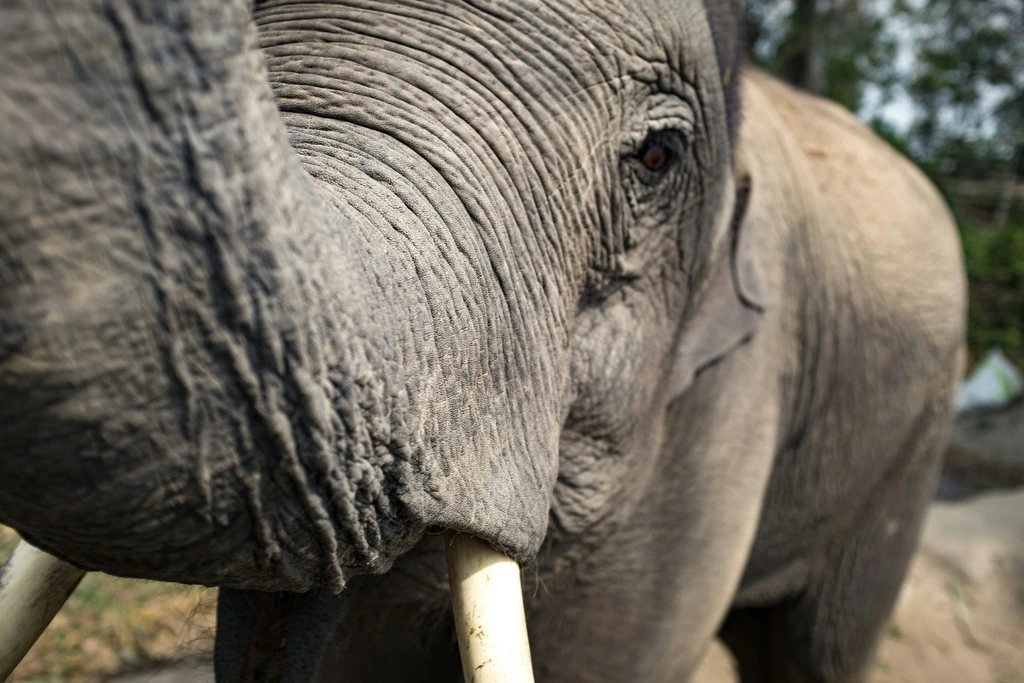
Can You See Wild Elephants in Thailand?
Yes. Thailand still has wild elephants. The best places to see them are protected national parks like Kui Buri and Khao Yai, where elephants roam freely without rides or shows.
Elephants in Thailand: Loved, Protected, and Still Exploited
Elephants are deeply woven into Thai culture. They appear in royal ceremonies, religion, and national symbols. They are loved and respected on paper.
But tourism tells a more complicated story. Behind elephant rides and shows, there is often harsh training, stress, and long-term suffering. Many visitors don’t realize this until they look closer.
I’ve lived in Thailand since 2019 and visited several ethical elephant sanctuaries myself. Where you can see elephants in Thailand responsibly, in sanctuaries and in the wild.
Our Quick Picks
🌴 Planning your trip? Check my Thailand Itinerary and the cheapest time to fly to Thailand
🌿 Want wild elephants? Start with Kui Buri or Khao Yai
💻 Check out our Travel Health Insurance Plan. It’s the one we actually use in Thailand.

Key Facts About Elephants in Thailand
Thailand is home to around 3,000–3,500 wild elephants, most of them living in protected national parks. Their numbers are slowly increasing thanks to conservation efforts.
At the same time, more than 2,700 elephants were previously used in tourism, often under poor conditions. Across Asia, the Asian elephant is still endangered, with only about 40,000–50,000 left in the wild.
Asian Elephants: Lifespan, Bonds, and Nature’s Role
What Does ‘Ethical’ Mean When Visiting Elephants in Thailand?
Let’s be real: when it comes to visiting ethical elephant sanctuaries in Thailand, not every experience is truly ethical. Activities like riding or performing tricks might seem harmless, but they often involve cruel training methods, such as using bullhooks or keeping elephants in chains for long hours.
Ethical sanctuaries are the real thing: a safe place where elephants live naturally, with no rides and no tricks on offer.
Look for sanctuaries endorsed by trusted organizations like World Animal Protection or Asian Captive Elephant Standards (ACES).

Top Ethical Elephant Sanctuaries in Thailand
Looking for ethical elephant sanctuaries in Thailand? Here’s a curated list of the best spots where to see elephants in Thailand.
1. Elephant Nature Park, Chiang Mai
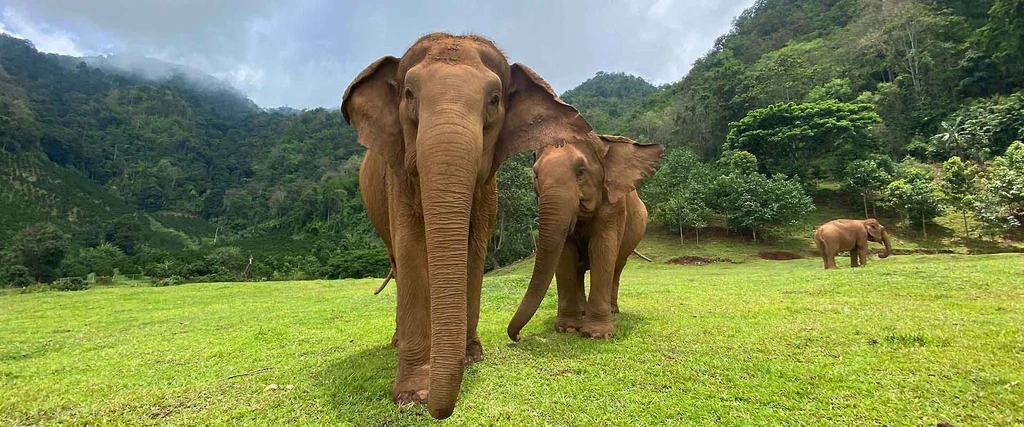
Elephant Nature Park is one of the most ethical elephant sanctuaries in Thailand. Started in the 1990s by Lek Chailert, it’s now home to over 100 rescued elephants. This rescue center in northern Thailand gives elephants rescued from the tourism industry a second chance. You can feed them, help prepare their meals, or just watch them roam and bathe.
The park is all about teaching people how to care for elephants and offers volunteer programs if you want to get more involved. It’s a great way to spend time with these gentle giants while supporting their recovery.
2. Boon Lott’s Elephant Sanctuary (BLES), Sukhothai
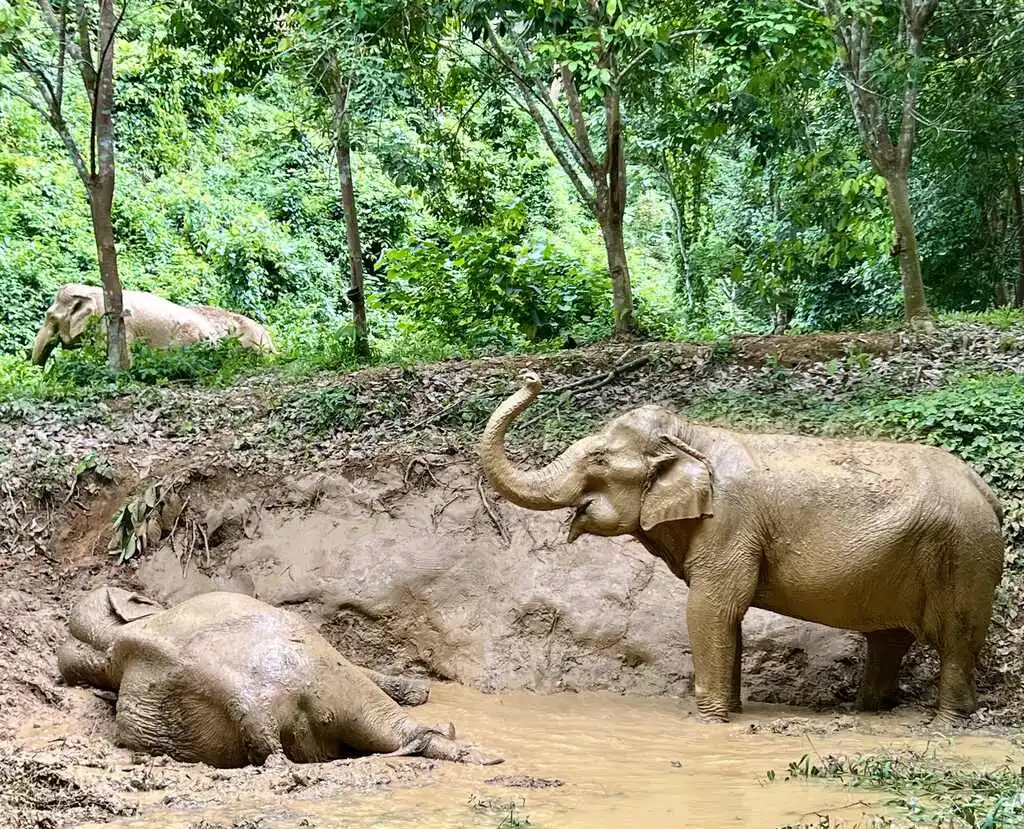
Boon Lott’s Elephant Sanctuary (BLES) is a dedicated haven for elephants in Sukhothai, Thailand. Established in 2006, BLES focuses on rescuing and rehabilitating elephants from abuse and neglect, providing them with a safe and peaceful environment to live naturally. It’s like a peaceful retirement home for elephants where they can live naturally and stress-free.
The ethical sanctuary is home to a number of elephants, each with unique stories and personalities. To ensure minimal stress and a personalized experience, BLES limits visitor numbers to a maximum of 10 guests at a time.
Visitors are encouraged to observe elephants in their natural behaviors, such as foraging, digging, grazing, swimming, and scratching, without direct interaction like feeding or bathing. This hands-off approach promotes a serene environment for both elephants and guests.
BLES is also deeply involved locally. It provides jobs and housing for several mahouts and their families, and it supports local elephant owners who cannot afford to care for their animals
3. Elephant Steps, Chiang Rai
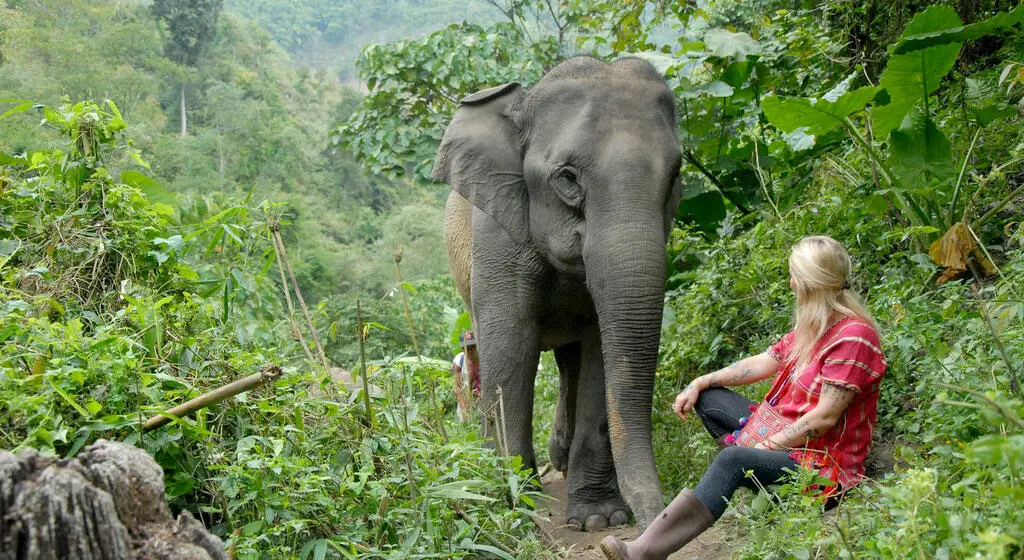
Elephant Steps in Chiang Rai is dedicated to providing a natural and caring environment for elephants rescued from challenging conditions. Founded by Sophie, who has over 20 years of experience in Thailand, the sanctuary offers visitors the opportunity to interact responsibly with elephants through activities like feeding and walking alongside them in the jungle.
A typical day includes a jungle trek of about 3–4 kilometers, during which guests can observe the elephants’ natural behaviors.
The sanctuary emphasizes education, helping visitors understand the importance of ethical tourism and elephant conservation. With a maximum of 12 visitors per day, the experience remains intimate and respectful to the animals.
The program, priced at 2,500 Baht for adults and half price for children under 10, includes transportation, lunch, tree planting, and necessary gear.
Our family of four did the tour in 2023, and it was an unforgettable experience.
4. Phuket Elephant Sanctuary, Phuket
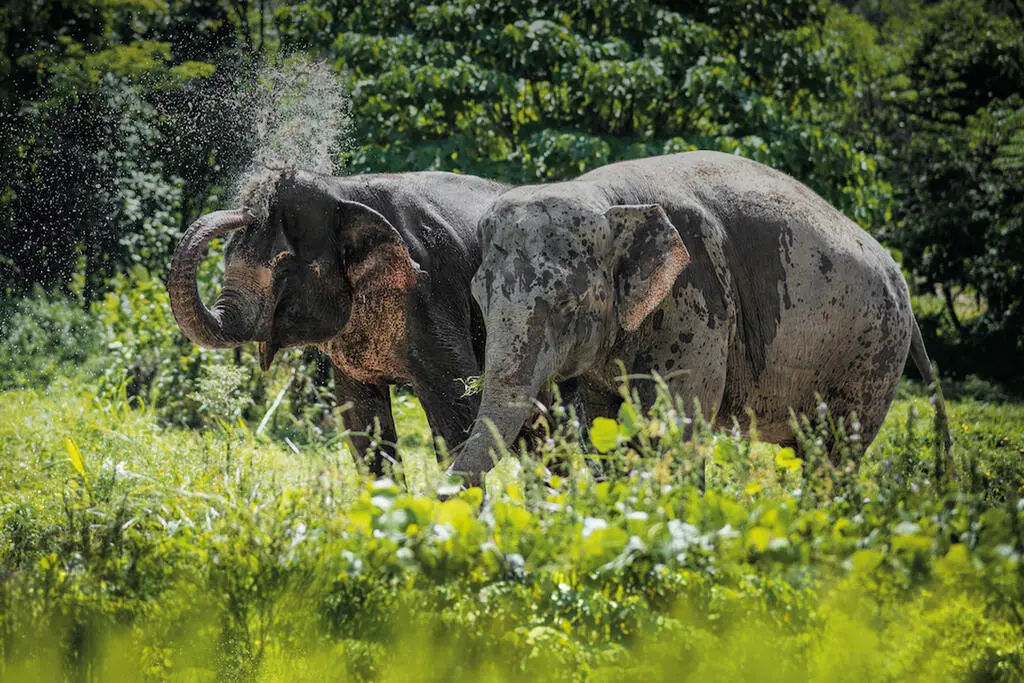
Phuket Elephant Sanctuary is Phuket’s first ethical elephant sanctuary, pioneering Thailand’s no elephant riding policy and endorsed by National Geographic and World Animal Protection. The sanctuary is home to 20 rescued elephants, one of the largest groups in Phuket. Visitors can observe these gentle giants as they roam, forage, and bathe freely in their natural environment.
The sanctuary features Thailand’s longest canopy walkway, offering a unique perspective to watch the elephants from above. Watching from a distance keeps the elephants comfortable, which is what makes this the place to go in Phuket if you want to see elephants ethically.
5. Samui Elephant Sanctuary, Koh Samui
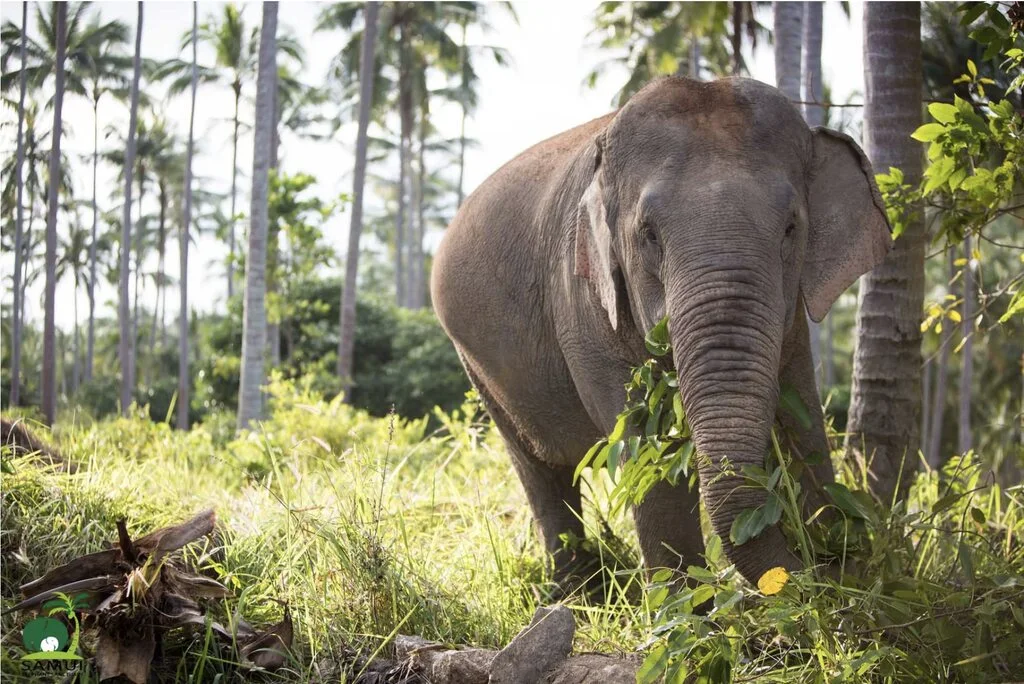
Samui Elephant Sanctuary, started in 2018, is Koh Samui’s first ethical elephant sanctuary. It’s a safe space for elephants rescued from the logging industry and tourism, giving them the freedom to just be elephants: no rides, no performances. Visitors can feed them, walk alongside them, and learn all about their care and why ethical tourism matters.
The sanctuary now has two locations, in Bophut and Chaweng Noi, to care for even more elephants.
👉 Read my honest review of Samui Elephant Sanctuary here.
6. Koh Phangan Elephant Sanctuary, Koh Phangan
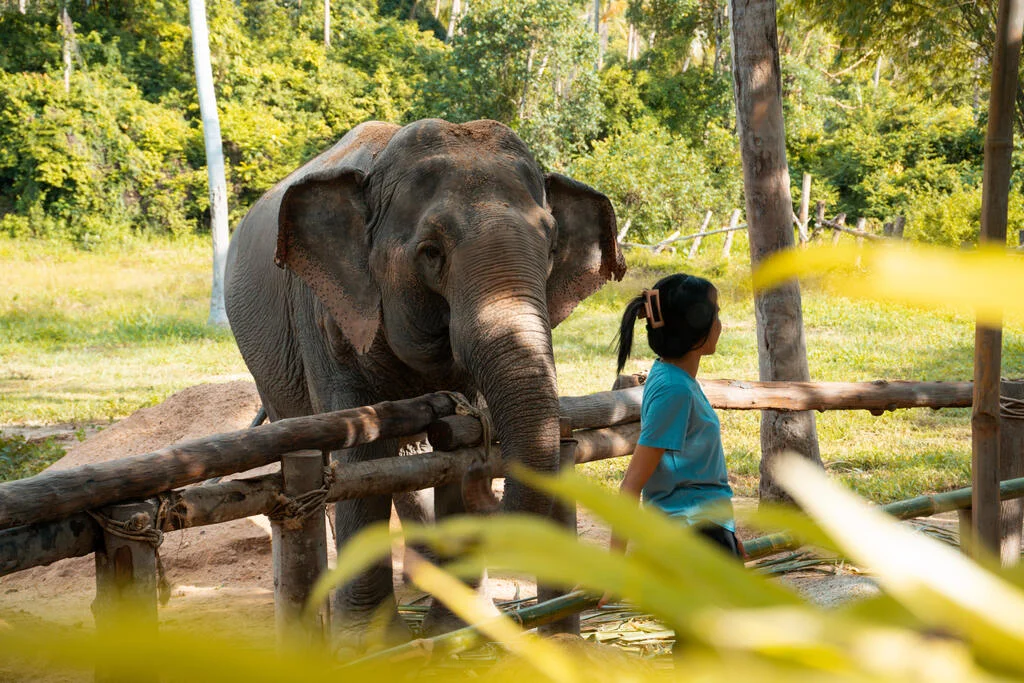
The Koh Phangan Elephant Sanctuary is the first ethical elephant sanctuary on the island, created to provide a better life for elephants rescued from logging and tourism industries. The sanctuary offers a safe and natural environment where elephants can roam freely, socialize, and enjoy activities like a mud bath.
Visitors can feed the elephants and observe them up close, all while learning about ethical tourism and the importance of proper care for these gentle giants. The sanctuary’s mission includes educating guests about the challenges elephants face and how ethical tourism can make a difference.
Located in the hills of Koh Phangan, the sanctuary provides a meaningful experience for visitors and a peaceful home for the elephants. It’s a must-visit spot for anyone looking to support elephant welfare while exploring the island.
We visit Koh Phangan Elephant Sanctuary regularly and love the ethical and respectful atmosphere.
👉 Find my honest review of Phangan Elephant Sanctuary here.
7. Surin Project, Surin
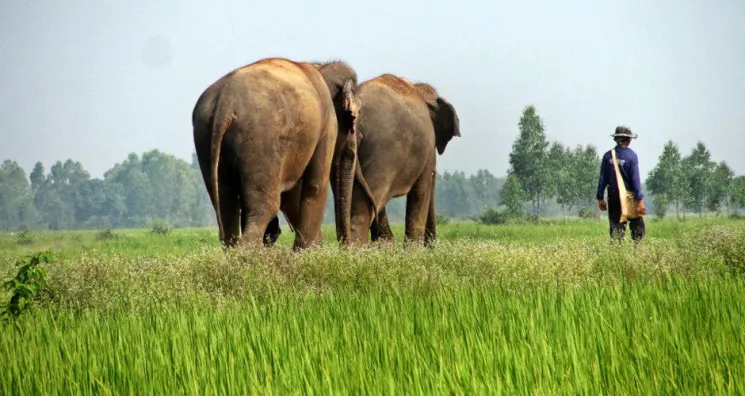
The Surin Project is all about giving elephants a better life while helping local mahouts (their caretakers) create sustainable incomes. Based in Surin Province, this community-driven initiative focuses on ending exploitation like street begging and elephant rides. Instead, they provide elephants with a more natural, stress-free environment.
Visitors can get involved by planting food, building shelters, or just spending time observing the elephants in their daily lives. It’s a hands-on way to learn about elephant care and make a real difference. By supporting this project, you’re helping improve life for elephants and their caretakers while promoting ethical tourism in Thailand.
8. Wildlife Friends Foundation
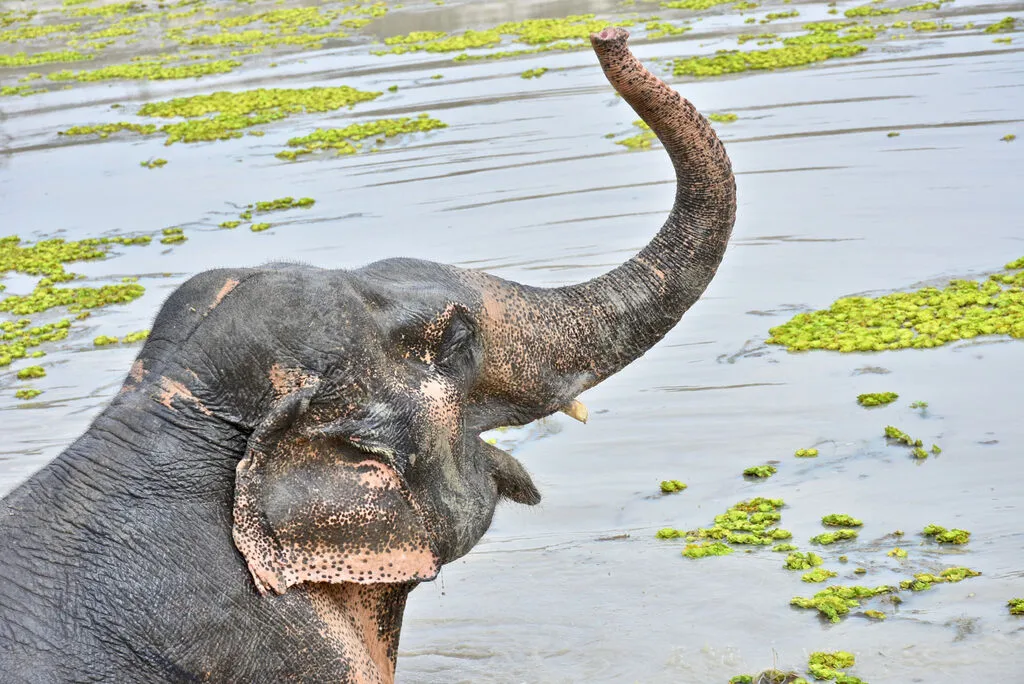
Wildlife Friends Foundation Thailand (WFFT) rescues and cares for animals that have been abused, neglected, or kept in captivity. Over 700 animals live at the sanctuary, including elephants, gibbons, macaques, and bears.
WFFT gives these animals a second chance. Many were forced to perform, used for tourism, or kept as illegal pets. Here, they finally have space to roam, climb, and just be wild again. Unlike many places, WFFT doesn’t allow elephant riding or hands-on interactions, keeping the focus on the animals’ well-being.
Visitors can join a guided tour to see the sanctuary in action, learn about wildlife conservation, and meet the animals up close, but always in an ethical way.
Where to See Wild Elephants in Thailand
If you are curious about where to see elephants in Thailand in the wild, these parks offer incredible, ethical ways to observe elephants in their natural habitats.
9. Kui Buri National Park
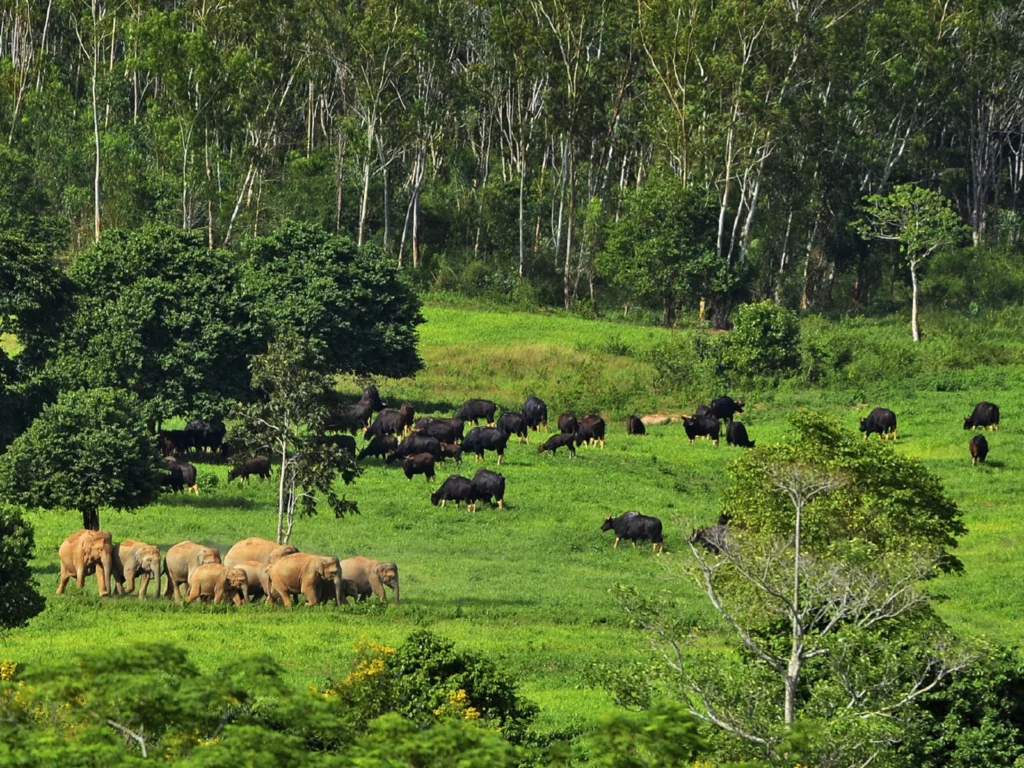
Kui Buri is the best place to see wild elephants roaming free in open fields, guided by local experts. The park is home to about 320 elephants, making sightings common.
Visitors can join safari-like tours led by trained local guides to see these amazing animals up close. The park also has around 100 gaurs (wild cattle), over 260 bird species and other wild animals.
Open daily from 2 PM to 5 PM, the park charges an entrance fee of 200 baht for foreign adults and 100 baht for children. An additional 850 baht covers a jeep with a driver and guide, accommodating up to six people. For the best experience, plan your visit between December and April, when wildlife sightings are more frequent.
10. Khao Yai National Park
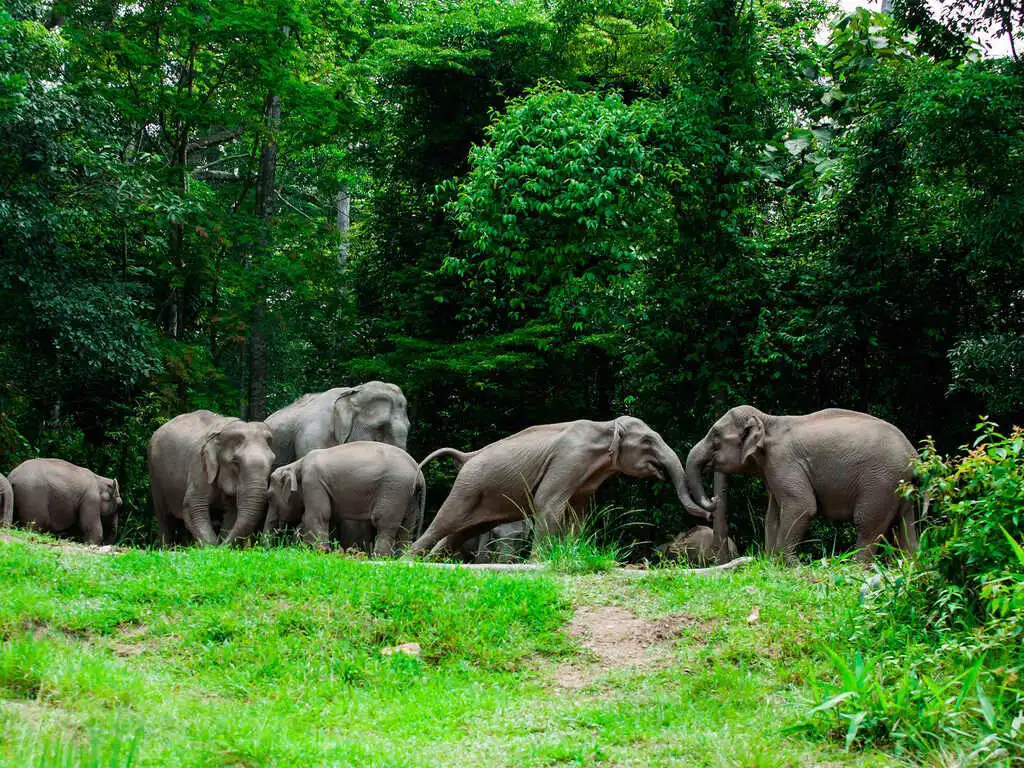
Khao Yai National Park, Thailand’s oldest national park, is an amazing place to see wild elephants in their natural habitat. With around 140-200 elephants roaming the park, there’s a good chance you’ll spot them during guided treks or safaris.
But it’s not just about elephants. Khao Yai is packed with wildlife! You might see gibbons swinging through the trees, colorful hornbills flying overhead, or even wild deer grazing in the open grasslands. Birdwatchers will love it here too, with over 300 bird species calling the park home.
The park’s mix of dense forests, grasslands, and waterfalls makes it an unforgettable experience for nature lovers.
Tips for Your Visit:
- Visit during the dry season (November to April) for the best chance of sightings.
- Late afternoon is the best time to see elephants as they come out to feed.
- Stay quiet and patient to maximize your chances of spotting wildlife.
Questions to Ask Before Booking an Elephant Experience
Before visiting an elephant sanctuary, it’s important to make sure it’s truly ethical. So how do you find a truly ethical place?
Start by doing a little research. Look for sanctuaries that are transparent about their operations. Do they avoid rides and tricks? Are they open about how they care for the elephants? Also, check for certifications or recommendations from trusted organizations.
Here are some key questions:
- Do they offer rides or performances? Ethical sanctuaries won’t allow these activities, as they often involve cruel training methods.
- How are the elephants housed and treated? Look for sanctuaries that provide a natural, spacious environment and prioritize the elephants’ well-being.
- What is the staff-to-elephant ratio? A good ratio ensures the elephants receive proper care and attention.
- Are visitors allowed to touch the elephants? If touching is allowed, ensure it’s done under supervision and doesn’t stress the animals.
Additional Tips for Visiting Ethical Elephant Sanctuaries in Thailand
- What to Pack: Wear comfy clothes and closed-toe shoes for walking around.
- Respect Boundaries: Watch and enjoy the elephants, but don’t get too close or interrupt their natural behavior.
- Support the Sanctuary: If you love your visit, consider donating, volunteering, or spreading the word. Share your visit on social media to spread awareness about responsible tourism.
Where to Stay in Northern Thailand
Check out these amazing Hotels in Chiang Mai or use the map below. 👇

Anantara Chiang Mai Resort
- From $291 (€255) per night (Deluxe Room)
- Riverside resort with minimalist design
- Infinity pool overlooking the Mae Ping River

Art Mai Gallery, Chiang Mai
- From $84 (€72) per night (Premier Art)
- Stylish art-themed rooms and a warm boutique feel
Key Takeaways
- Thailand still has wild elephants
- National parks are the most ethical way to see them
- Sanctuaries should never offer rides or shows
- Kui Buri and Khao Yai are your best chances
👉 You might also like:
– 35 Interesting Facts About Thailand
– The 8 Best Airlines to Fly to Thailand
– Thailand in Winter: What to Expect
Final Thoughts on Where to See Elephants in Thailand Ethically
Thailand is one of the best places to see elephants in Southeast Asia, but it’s up to us to do it responsibly.
Visiting ethical sanctuaries and skipping places that exploit these gentle giants makes a huge difference. Whether you’re feeding elephants at a sanctuary or spotting them in the wild at Kui Buri or Khao Yai, these experiences can be both unforgettable and kind.
Where will you go to see elephants in Thailand? Have you visited an ethical elephant sanctuary that’s not on my list? I’d love to hear about it, share your experience in the comments!
Thank you for reading and for making me part of your day! Yours, Lulu
FAQ: Where to See Elephants in Thailand
Is it ethical to visit elephants in Thailand?
Yes, if you choose places that don’t allow riding, performances, or forced interactions. Ethical sanctuaries focus on rescue, space, and minimal human contact.
How many wild elephants are there in Thailand?
Around 3,000–3,500 elephants live in the wild, mostly in protected national parks. Numbers are slowly increasing thanks to conservation.
Where is the best place to see wild elephants in Thailand?
Kui Buri National Park offers the most reliable sightings. Khao Yai is also excellent, especially in the late afternoon.
Do elephants roam free in Thailand?
Yes, in national parks. They are not fenced attractions. Sightings depend on season, timing, and patience.



5 Responses
Great list! I think you should add the Wildlife Foundation near Hua Hin. They have rescued many elephants, gibbons, tigers and other animals that can now live in semi free conditions. They organise tours to educate people about animals too. You can stay in their villas or glamping tents!
Thank you so much! That sounds amazing. I’ll definitely have a look into it. Appreciate the recommendation! 😊
I had a look and have now included the Wildlife Friends Foundation Thailand in the post. Such an amazing place doing important work! 😊 Thank you again for your input!
Would love feedback on Green Elephant Sanctuary Park Phuket please 🙏
Thanks for your comment! 🙏 Green Elephant Sanctuary Park does allow visitors to bathe the elephants, which might sound fun, but it’s not the most ethical approach. Elephants don’t naturally enjoy that kind of interaction with lots of people. That’s why I didn’t include them in my list. I try to only recommend places that keep the elephants’ well-being truly at heart.