


Is Thailand Worth Visiting in October?
Yes, but only if you choose the right regions. Northern Thailand (Chiang Mai, Chiang Rai) is excellent in October: rain slows down, temperatures cool off, and prices are low. Bangkok works well if you plan mornings outside and afternoons indoors. The Andaman coast (Phuket, Krabi) is still deep in rainy season. The Gulf islands (Koh Samui, Koh Phangan) can be sunny in early October but get wetter from mid-month onward. In short: October rewards flexible travelers with great prices and fewer crowds, but it is not the right month for a guaranteed beach holiday.
October is unpredictable. Some regions dry out, others get wetter. You can have sunny days and tropical downpours in the same week. The key is knowing which region suits your plans and going in with realistic expectations.
We are a family of four and have been living in Thailand since 2019. Most of the time, we have been based in the Gulf of Thailand (Koh Samui, Koh Phangan). So we have experienced many Octobers here. Some sunny and stunning, others soaking wet. Let me break it all down so you can decide if October is the right time for you.
Our Quick Picks
🌴 Planning your trip? Check my Thailand Itinerary
💸 Flights and hotels are 20–50% cheaper
☔ Rainy days are perfect for food tours, cooking classes, and temple visits

What Is the Weather Like in Thailand in October?
October is a transitional month. In most of the country, the rains are starting to ease up. But not everywhere. In some parts, the peak rainy season is just beginning. The weather really depends on where you go and even when within the month you travel.
Northern Thailand (Chiang Mai, Chiang Rai, Pai)
- Temperature: 23-31°C (73-88°F)
- Rainfall: around 120-160 mm
Rain slows down significantly by October. You will still get the occasional afternoon shower, but most days are dry and cool enough to explore comfortably. It is one of the best times to visit the north: the rice fields are deeply green, waterfalls are flowing at full force, and the mountains are misty and atmospheric. This is genuinely one of October’s best-kept secrets in Thailand.
Central Thailand (Bangkok, Ayutthaya, Kanchanaburi)
- Temperature: 25-32°C (77-90°F)
- Rainfall: 190-240 mm
This region still sees regular rain, usually in short bursts, often in the late afternoon or evening. Flooding can happen in Bangkok, especially on low-lying streets, but it typically drains away quickly. Mornings are often sunny and excellent for sightseeing. Keep your umbrella handy for the afternoon and you will manage just fine.
Andaman Coast (Phuket, Krabi, Koh Lanta)
- Temperature: 24-31°C (75-88°F)
- Rainfall: 300-350 mm
This side of Thailand is still deep in rainy season in October. The sea can be rough, and island tours may get canceled or rescheduled. That said, if you are not too bothered by rain and want lush green landscapes, quiet beaches, and significantly lower hotel prices, it can still be a worthwhile trip. Just go in knowing that wet weather is more likely than not.
Gulf of Thailand (Koh Samui, Koh Phangan, Koh Tao)
- Temperature: 25-31°C (77-88°F)
- Rainfall: 230-290 mm
This is where we live, and here, October is actually the start of the heavier part of the rainy season. But it usually does not kick in until mid or late October. If you arrive in the first half of the month, you might still get sunshine and blue skies.
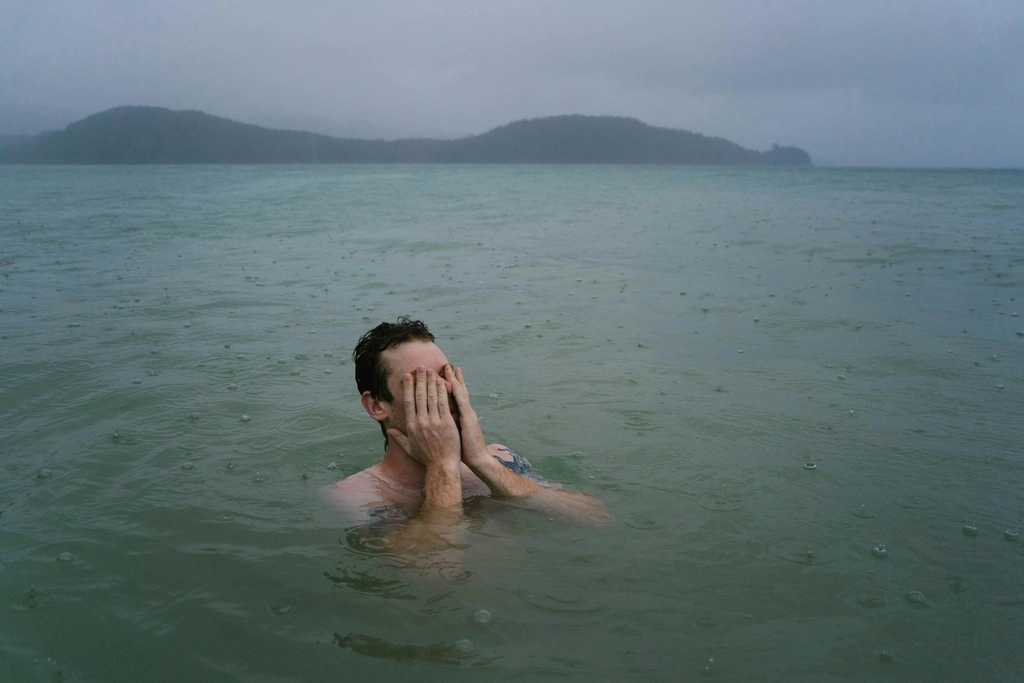
We have had both versions of October here. One year, my parents visited for two weeks and it barely rained at all, sunshine and sea breezes the whole time. The next year, friends came for their honeymoon around the same time and it rained every single day. Same month, same place, totally different trip. That is the October gamble on the Gulf islands.

Is October a Good Time to Visit Thailand?
It depends on what you are looking for. If your dream trip requires perfect beach weather every single day, October will likely disappoint. But if you value fewer crowds and better prices, October can be a genuinely fantastic time to visit. Here are the facts.
Quieter Beaches and More Room
October falls in Thailand’s low or shoulder season, depending on the region. That means fewer visitors across the board, especially compared to the packed months of December through early March. Tourist arrivals drop by roughly 35-50% in October compared to peak season. At major attractions like the Grand Palace in Bangkok or Wat Phra That Doi Suthep in Chiang Mai, you might encounter only a handful of tour groups in the morning instead of hundreds.
Better Prices on Flights and Hotels
International flights to Thailand can be 30-40% cheaper in October than in December or January. A round-trip flight from London to Bangkok in October might cost around $600 (€560), compared to $950-1,200 (€890-1,125) during high season.
Hotels and resorts often drop prices by 20-50%. A beachfront resort in Krabi or Samui that costs $150 (€140) per night in January might go for $75-90 (€70-85) in October, sometimes even less. Because it is quieter, last-minute booking is often possible, frequently with flexible cancellation too.
Festivals in October
October is packed with local culture and events that only happen at this time of year.
Vegetarian Festival (Tesagan Gin Je)
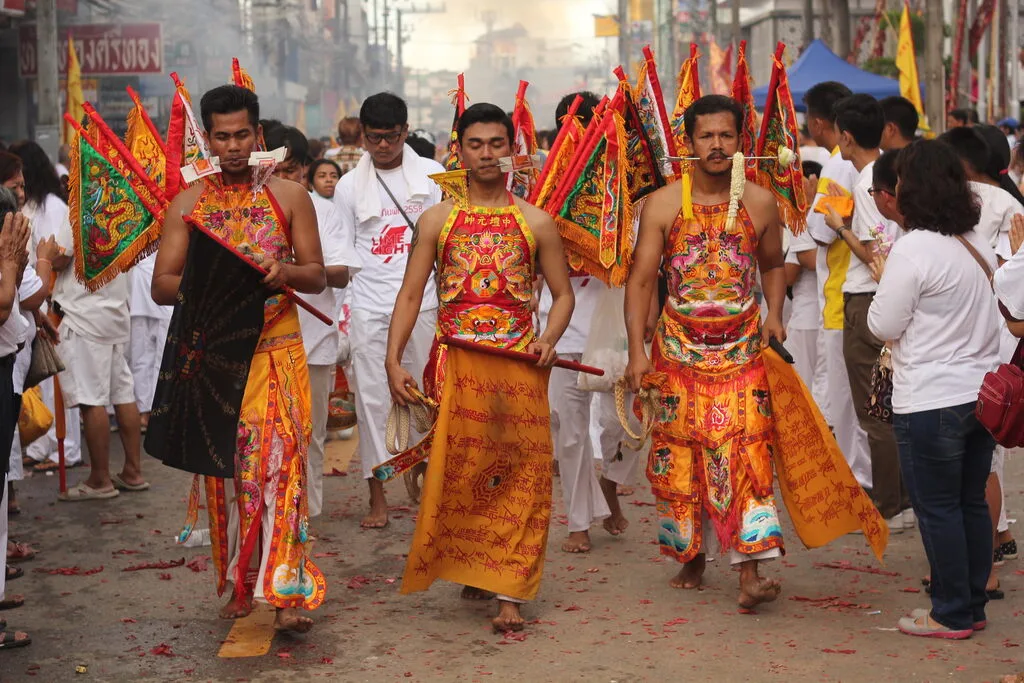
Usually held in early to mid-October, depending on the lunar calendar. It is biggest in Phuket, Trang, and parts of Bangkok (especially Chinatown, given its Chinese origins). Expect parades, piercing rituals, and devotional ceremonies alongside an abundance of excellent vegan food. The festival lasts nine days, and locals dress entirely in white.
Awk Phansa (End of Buddhist Lent)
Falls in mid to late October. A quieter, more contemplative holiday celebrated in temples across Thailand, particularly in the north. In some regions, it is followed by boat races and early lantern festivals.
Wan Ok Phansa and the Naga Fireball Festival
Held along the Mekong River, especially in Nong Khai. Locals gather to watch mysterious glowing orbs rise from the water, said to be sent by the mythical Naga serpent. This event happens only in October, right after Buddhist Lent ends, and it is genuinely unlike anything else in Thailand.
Flooding Risk in October
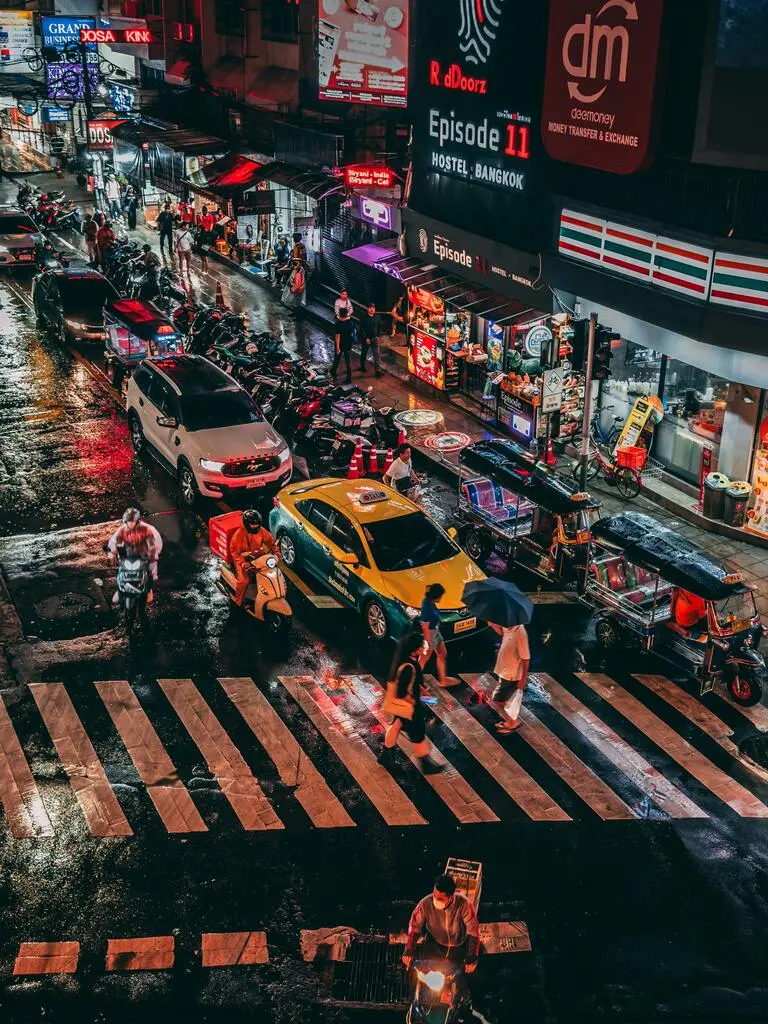
Flooding can happen in October, but it is usually short-lived and location-specific. Bangkok is the most commonly affected area. Heavy rains and high tides can cause one to three hours of street flooding, especially in areas like Asok, Thonglor, and Bang Rak. The city’s drainage system usually clears it up quickly.
💡 Pro tip: If you’re staying in Bangkok or Chiang Mai during October, choose a hotel in a non-flood-prone area and pack waterproof shoes or sandals. Find out more info about safe areas in Bangkok and Chiang Mai.
In 2022, Bangkok experienced significant flooding in early October following Tropical Storm Noru. Central provinces like Ayutthaya and Ubon Ratchathani also saw rising river levels and road closures during that period.
Chiang Mai carries risk during October as well, particularly after intense monsoon rainfall. In early October 2024, the city faced major flooding when heavy rains and an overflowing Ping River caused severe damage. The river reached its highest level in 50 years, leaving thigh-deep water in parts of the city. This is worth factoring into your planning if you are visiting in early October.
Rainy Season Travel Tips for Thailand in October
Here is what we have learned after years of living through Thai Octobers.
1. Pack for Rain, But Do Not Overdo It
Bring a light rain jacket, quick-dry clothes, and flip-flops or waterproof sandals. A small umbrella is useful when moving between malls or street markets. A dry bag or plastic phone pouch is worth having for boat trips or sudden city downpours.
Here’s my big What to Wear in Thailand Guide
Also Check out my Packing Guide for Southeast Asia

Borogo Rain Poncho (2-Pack) – $9.99

SaphiRose Rain Poncho – $29.99

Hiearcool Waterproof Phone Pouch (2-Pack) – $9.99

32 Degrees Cool Men’s Active T-Shirt – $11.99

Women’s UPF 50+ Sun Protection Shirt – $25.49

REEF Cushion Breeze Flip Flops – $40.00
2. Do Not Trust the Forecast Blindly
Weather apps often show rain every day, but that can simply mean a 20-minute shower. Rain usually arrives in bursts, not all-day grey skies. Plan your outdoor activities in the morning and keep indoor options ready for the afternoon.
3. Book Flexible Accommodation
In October, free cancellations and late check-out offers are common. If you are booking beach stays, check which coast you are on: Andaman conditions are very different from Gulf conditions.
4. Add Wiggle Room to Your Itinerary
Ferries can get delayed. Roads can flood. Tours may be postponed. Avoid tight connections and build buffer days into your schedule wherever you can.
5. Stay Safe During Floods
In Bangkok, low-lying areas flood quickly after heavy rain. Avoid stepping into deep puddles (hidden holes and loose tiles are a real hazard), and do not drive through flooded roads unless you see locals doing the same confidently.
6. Enjoy the Perks of Low Season
Spa deals, quiet beaches, Elephant Sanctuaries, no crowds at temples: October has its own kind of magic. Talk to locals. They are more relaxed this time of year, and often happy to chat or share tips that no guidebook will give you.

Where to Stay in Bangkok?
Check out these amazing hotels in Bangkok that I personally stayed in, or use the map below.

MUU Bangkok
- From $140 (€130) per night (Studio Room)
- Trendy Thonglor location with rooftop pool and boutique vibe
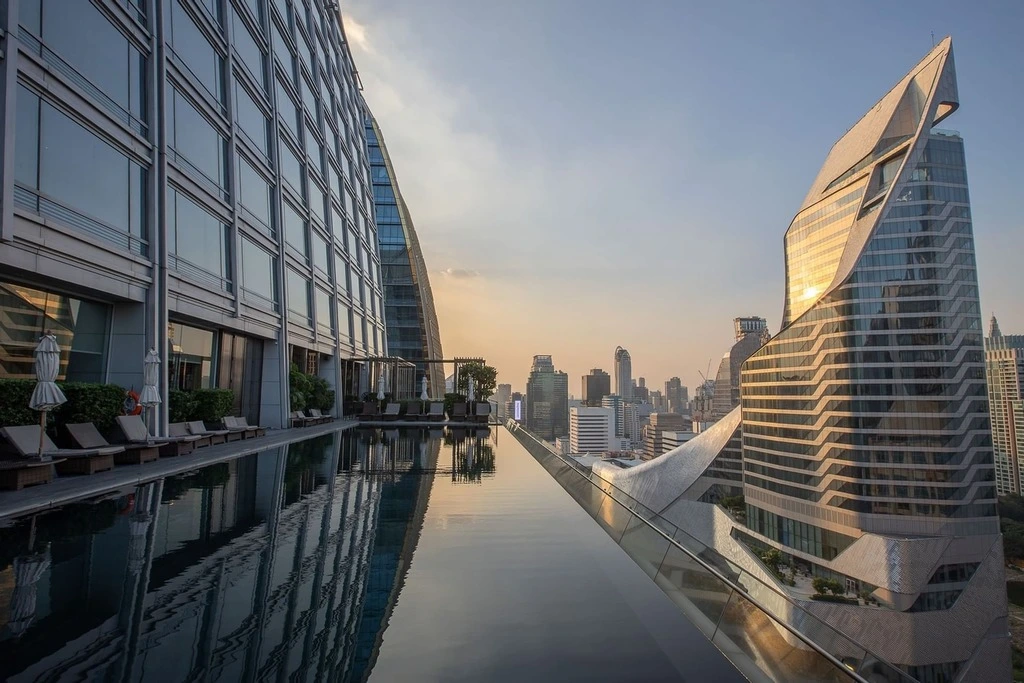
The Okura Prestige Bangkok
- From $175 (€162) per night (Deluxe Room with Club Access)
- Central location with a sky-high infinity pool and direct BTS access
👉 You might also like:
– 12 Best Places to Stay in Thailand – Top Family Picks
– 15 Most Iconic Landmarks in Thailand You Shouldn’t Miss
What to Do in Thailand in October
Rain does not have to mean a wasted itinerary. October actually works well for a specific kind of trip, as long as you match your activities to the region.
In Chiang Mai and the north, visit temples in the cool of the morning, hike through lush jungle, browse the night markets, or take a Thai cooking class. The Ping River runs high, so rafting and waterfall trips are at their most dramatic. Doi Inthanon National Park looks stunning after months of monsoon rain, and the trails are far less crowded than in peak season.
In Bangkok, the formula is straightforward: mornings outside, afternoons inside. The Grand Palace, Wat Pho, and Chinatown are all best experienced early before the heat and any afternoon rain arrives. For the afternoon, world-class malls like Siam Paragon, ICONSIAM, or Terminal 21 keep you cool and entertained. October also brings the Vegetarian Festival to Yaowarat (Chinatown), which is a genuinely spectacular event worth planning around.
On the Gulf islands (early October only), snorkeling and diving are still very good, particularly around Koh Tao. Water visibility can be excellent before the heavier rains arrive. Aim for the first two weeks of October if any beach or dive time is a priority for you.
On the Andaman coast, the focus shifts from beaches to culture. Phuket Old Town, the Big Buddha, and the Vegetarian Festival parades are all rewarding even in rainy weather. Avoid booking island-hopping tours in advance: they are the most likely activity to get canceled when conditions turn rough.
Is It Worth Going to Phuket in October?
Phuket in October is genuinely hit or miss, and I would rather be honest with you than sugarcoat it.
October falls right in the middle of Phuket’s wet season. Rainfall averages 300 to 350 mm for the month, among the highest totals of the year. Waves can be rough on the west-facing beaches like Patong, Kata, and Karon. Red flags go up frequently, and swimming is often unsafe on those beaches during this period.
That said, Phuket is far more than its beaches. If you set the right expectations, October can work well:
- Phuket Old Town is beautiful in any weather and far less crowded in October than at any other time of year.
- The Vegetarian Festival (usually early to mid-October) is one of the most dramatic events in Thailand, and Phuket is one of the best places to witness it.
- Prices drop significantly. A resort that costs $200 per night in January can go for $80 to $100 in October.
- East-coast beaches like Nai Yang and Mai Khao are slightly more sheltered and sometimes calmer than the busy west coast.
Bottom line: if you want beach days and water sports in Phuket, October is the wrong month. If you want culture, low prices, and do not mind rain, it can still be a genuinely worthwhile trip.
Thailand in October vs. Other Months: Best and Worst Times to Visit
If you are trying to figure out where October fits in the bigger picture, here is a straightforward honest breakdown.
- Best months overall: November to early April. This covers the cool, dry season across most of Thailand. Crowds peak in December and January, but the weather is reliably good nationwide.
- Good months for budget travelers: May, June, and October. Lower prices, fewer tourists, and manageable rain in the right regions.
- Worst months for beach trips: August to October on the Andaman coast. September and October on the Gulf islands.
- October specifically: Works well for Chiang Mai, Bangkok, and the northeast. Risky for the Gulf islands in the second half of the month. Wet but culturally rich in Phuket and Krabi.
If flexibility is your priority, October beats most of the year on value. If guaranteed sunshine is non-negotiable, hold out for November.
Key Takeaways
- October is shoulder season: expect 20-50% lower prices across flights and hotels.
- North Thailand (Chiang Mai, Chiang Rai): the best all-round October destination.
- Andaman coast (Phuket, Krabi): still deep in rainy season, skip beach plans.
- Gulf islands: safe and often sunny in early October, risky from mid-month onward.
- Bangkok formula: morning sightseeing outside, indoor activities in the afternoon.
- Vegetarian Festival runs early to mid-October in Phuket and Bangkok’s Chinatown.
- Pack light rain gear and quick-dry clothes. Skip the heavy luggage.
Final Thoughts on Visiting Thailand in October
So, is Thailand in October worth it? Yes, with one clear caveat: I would avoid the Andaman coast. The rain is too heavy and too consistent to bank on a beach holiday there. Instead, aim for the Gulf islands in early October, or go for the most reliable options: Bangkok and Chiang Mai.
Have you ever traveled during Thailand’s rainy season? Let me know in the comments. Thank you for reading and for making me part of your day.
Yours, Lulu
Frequently Asked Questions
Is Bangkok flooded in October?
Sometimes, but usually only briefly. Heavy rain can cause street flooding for one to three hours in low-lying areas like Asok, Thonglor, and Bang Rak. The city’s drainage system normally clears it up quickly. Choosing a hotel in a non-flood-prone area and planning sightseeing in the mornings makes a significant practical difference.
What is the Naga Fireball Festival and when does it happen?
The Naga Fireball Festival is a natural phenomenon that occurs once a year along the Mekong River, especially near Nong Khai in northeastern Thailand. Mysterious glowing orbs rise from the river and float into the sky, traditionally believed to be sent by the mythical Naga serpent. It happens in October, on the evening that marks the end of Buddhist Lent (Awk Phansa), and draws large crowds of locals and curious visitors. It is one of the most unusual and memorable events in the Thai calendar.