

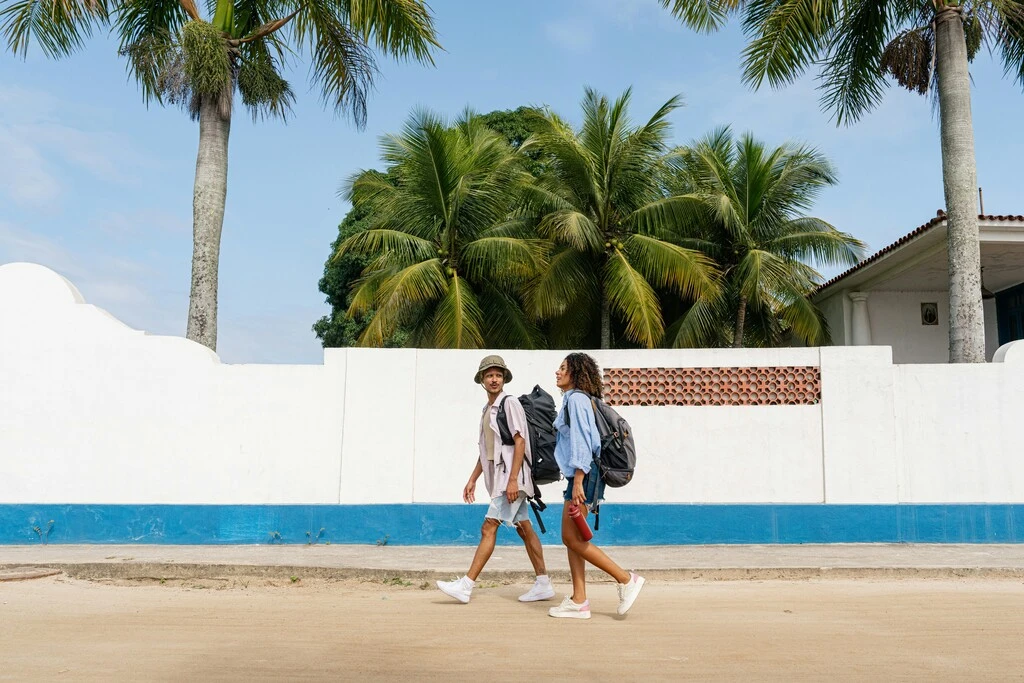
What Should You Pack for Southeast Asia?
For Southeast Asia, pack 5-7 days of lightweight breathable clothes, flip-flops plus one pair of grippy walking shoes, reef-safe sunscreen (SPF 50+), insect repellent, a universal adapter, a power bank, a dry bag, and all key travel documents including your travel insurance. Laundry services cost around $1 per kg everywhere, so you never need more than a week’s worth of clothes, no matter how long you stay. Skip the jeans and heavy fabrics. The heat will convince you fast.
I’ve been living in Southeast Asia since 2019, mostly in Thailand, but also in Indonesia, Singapore, Malaysia, and Vietnam. I’ve figured out exactly what you need (and what you really don’t).
But I wasn’t always this smart. Back in 2014, on my first backpacking trip to Thailand, I horribly overpacked. I had a massive backpack filled with things I never used: jeans, fancy shoes, way too many toiletries.
Dragging all that stuff around in the heat? A nightmare.
Now, I know better! Let’s make sure you get it right the first time!
Scroll down for the whole packing list for Southeast Asia. It’s downloadable and FREE!
Packing List for Southeast Asia: Backpack, Daypack, or Suitcase?
First things first: Where will you put all your stuff in?
Well, I did a lot of backpacking in Thailand and India. I lugged my massive backpack through train stations, hoisted it onto tuk-tuks, and squeezed it into tiny hostel lockers.
At the time, I thought backpacks were the only way to travel.
But honestly? I quickly realized there’s no big advantage, at least not if you’re checking into hotels and using taxis.
Since becoming digital nomads in 2019, my family and I have ditched the backpacks and now only travel with suitcases and daypacks.
And it works perfectly! Here’s what to consider when choosing your luggage for Southeast Asia.
1. Backpacking Packs – Are They Worth It?
Backpacks make sense if you’re moving around a lot, staying in hostels, or taking public transport all the time. If you’re constantly hopping on motorbikes or trekking through rural areas, a travel backpack is a solid choice.
What to Look For:
- ✔ Front-Loading (Not Top-Loading) – Makes packing and unpacking easier.
- ✔ Lightweight & Water-Resistant – Humidity and rain can destroy cheap fabrics.
- ✔ Padded Straps & Hip Belt – Your back will thank you.
- ✔ Carry-On Size (If Possible) – Saves money on flights and avoids lost luggage.
💡 Pro Tip: If you’re flying budget airlines like AirAsia, check their carry-on size limits. Some are strict, others are more relaxed.
2. Suitcase – The Better Choice for Most Travelers
If you’re staying in hotels, taking taxis, or traveling as a family, a suitcase is easier and more practical. No sweaty back, no awkward balancing act while pulling things out, and no struggling to stuff it into a tiny locker.
Best Suitcase Features:
- ✔ Spinner Wheels – Makes rolling over uneven streets much easier.
- ✔ Hard-Shell or Water-Resistant – Protects your stuff from tropical downpours.
- ✔ Expandable – Gives extra space for souvenirs (because you will shop).
💡 Pro Tip: Some places in Southeast Asia have bumpy roads or stairs with no elevators. A suitcase with sturdy wheels (not the tiny plastic ones) will last longer.
3. Daypack – The Everyday Essential
Whether you choose a backpack or a suitcase, a daypack is non-negotiable. You’ll use it for day trips, beach outings, and flights.
Best Daypack Features:
- ✔ Lightweight & Comfortable – You’ll carry it everywhere.
- ✔ Anti-Theft Features – Lockable zippers help in crowded places.
- ✔ Enough Space for Essentials – Water bottle, camera, sunscreen, snacks.
💡 Pro Tip: Pick a daypack that slides onto your suitcase handle for hassle-free airport travel.
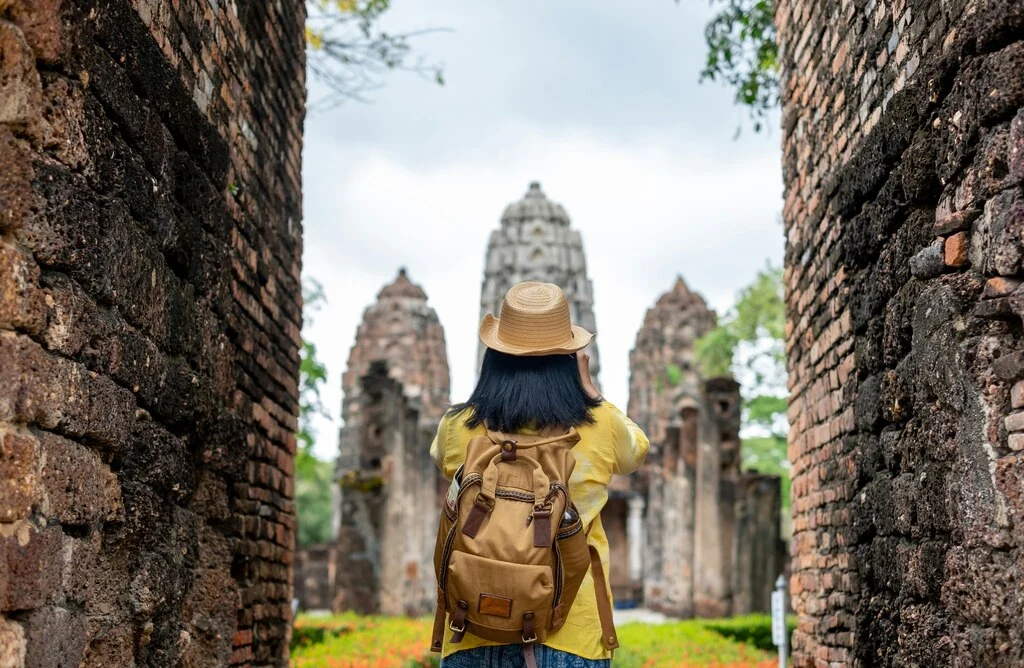
Packing List for Southeast Asia: The Clothing Essentials
Lightweight Tops and Bottoms
Hot. Humid. Sweaty. Southeast Asia’s weather is no joke. Breathable fabrics like cotton, linen, or quick-dry materials keep you cool. Pack a mix of t-shirts, tank tops, and loose-fitting pants or shorts.
Heavy denim? Leave it at home. It sticks to you like glue in the heat. Jean shorts, though, are totally fine.
💡 Pro Tip: In Southeast Asia, laundry services are everywhere. Hotels, hostels, and street-side shops will wash and dry your clothes for around $1 per kg.
If you want to wash a few things yourself, a small travel detergent is handy.
Breathable Underwear
Go for lightweight, moisture-wicking fabrics like bamboo, merino wool, or quick-dry synthetics. They keep you fresh and dry, even in Southeast Asia’s heat.
Cotton? It soaks up sweat and stays damp, not ideal. Pack a few pairs of quick-dry undies instead.
Modest Attire for Temples
Temples are stunning, but they come with a dress code. Shoulders and knees need to be covered. A long skirt, loose pants, or a lightweight scarf will do the job.
No one wants to be turned away at the entrance because of shorts. At popular temples, you can often borrow a sarong, a kimono, or a shawl to cover up.
Swimwear
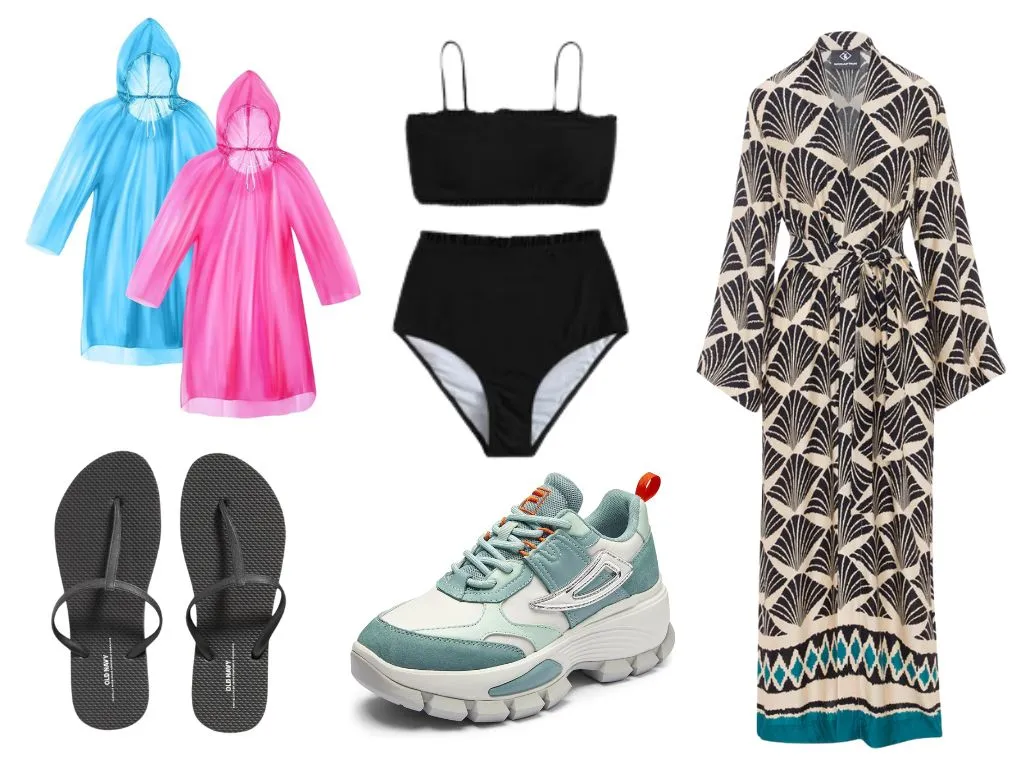
Beaches, waterfalls, infinity pools. You’ll need swimwear. Bring at least two, so you always have a dry one. Some islands are more conservative, so a cover-up is good to have, too.
I love my Kimono that I can always put on when buying a fresh coconut on the beach.
Rain Gear
Monsoon season is real. One minute, it’s sunny, the next, you’re drenched. A lightweight rain jacket or a cheap poncho (you can grab one at 7-Eleven) will save you.
Footwear
A pair of comfy walking shoes for city exploring and some flip-flops or sandals for beach days. Flip-flops also make temple visits easier since you’ll be taking your shoes off all the time.
I highly recommend plastic sandals or flip-flops. They’re waterproof, easy to clean, and won’t stay wet for hours after a sudden downpour.
For walking shoes, choose something with a bit of grip. Many hikes in Southeast Asia involve slippery trails or uneven paths, and basic sneakers won’t cut it. A lightweight, breathable hiking shoe that doubles as a city sneaker is perfect.
Packing List for Southeast Asia: Accessories
Sun Protection
The sun in Southeast Asia is intense. It will burn you faster than you expect. A good pair of sunglasses and a wide-brim hat will make your life more comfortable. We’ll talk about sunscreen later.
Dry Bag
Island hopping? Kayaking? Even just getting on a boat? A dry bag is a must. It keeps your phone, cash, and other valuables safe from splashes, sudden rain, or accidental dips in the water.
I’ve seen enough people ruin their phones to know this is worth packing.
💡 Pro tip: Don’t buy an expensive dry bag in your home country. Here in Southeast Asia they usually cost just a few dollars.
Microfiber Towel
Hotels and hostels provide towels, but they’re bulky and take forever to dry. A microfiber towel is lightweight, packs small, and dries super fast.
Perfect for beach days, unexpected swims, or just wiping off all the sweat from walking around in the heat.
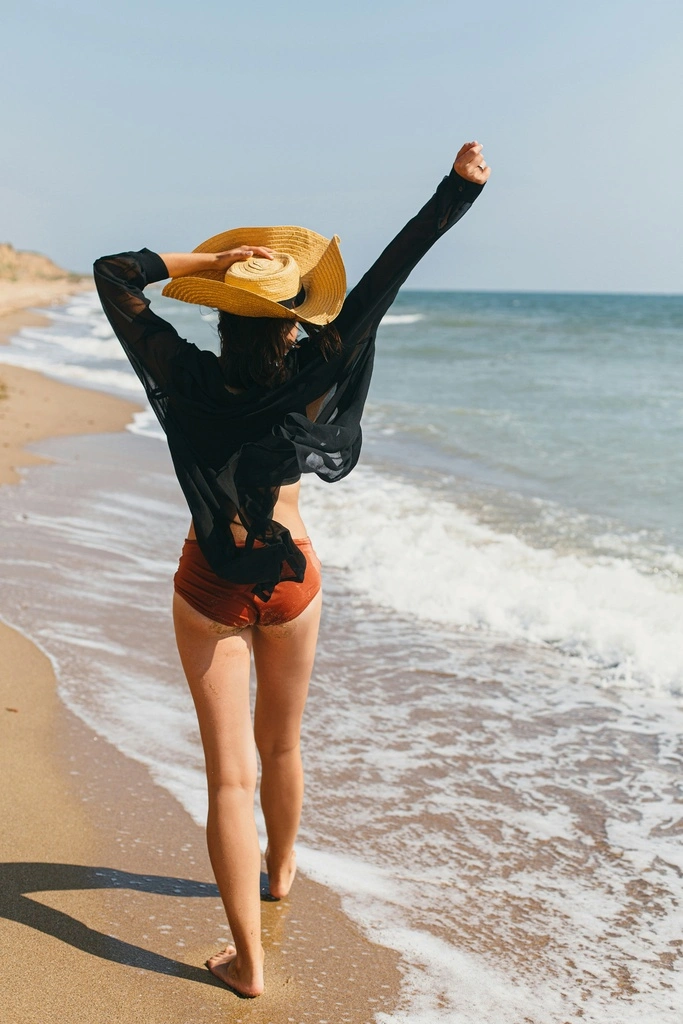
Packing List for Southeast Asia: Toiletries and Personal Care
Basic Toiletries
Keep it simple. Toothbrush, toothpaste, deodorant, and whatever else you need for daily hygiene. You can buy most things in Southeast Asia, but if you’re picky about brands, bring enough from home.
Sunscreen
The sun is brutal, and sunscreen is expensive in Southeast Asia, especially reef-safe options. High SPF (50+) is a must. If you’re heading to the islands, go for a reef-friendly brand to protect the ocean while protecting your skin.
💡 Pro Tip: Sunscreen in Southeast Asia often costs $15 or more for a small bottle. Bring some from home to save money!
Insect Repellent
Mosquitoes love warm, humid places, and they love travelers even more. A good insect repellent with DEET helps keep them away. If you prefer a natural option, citronella-based sprays work, but you might have to reapply more often.
💡 Pro Tip: The most effective mosquito repellent is the one sold locally. Don’t waste money on fancy brands from home, just buy it when you arrive.
First Aid Kit
Nothing fancy, just the basics. Band-aids, antiseptic wipes, and any personal medications you need. Stomach meds are a good idea. Southeast Asia’s street food is amazing, but your stomach might take some time to adjust.
Tissues & Wet Wipes
Many bathrooms in Southeast Asia don’t have toilet paper. You’ll find a water hose instead, which is great once you get used to it. But if not, a small pack of tissues in your bag is a lifesaver.
Wet wipes are another essential. They’re great for freshening up in the heat, wiping down sticky hands, or cleaning questionable restaurant tables.
💡 Pro Tip: You can buy tissues and wipes at any 7-Eleven, but having a pack ready in your daypack is always a good idea.
Makeup
Back in Europe, I was a full-on makeup girly. But in Southeast Asia? The heat and humidity made my routine impossible. Everything just melted off my face within minutes.
After years of trial and (very sweaty) error, I’ve cut it down to just four essentials: SPF 50 face sunscreen, eyeliner, mascara, and eyebrow pencil. All waterproof, of course, because nobody wants raccoon eyes by lunchtime.

Packing List for Southeast Asia: Electronics
Power Bank
Google Maps, translation apps, and endless photos drain your phone fast. A good power bank keeps you powered up during long travel days. Some bus rides in Southeast Asia last forever, and not all have charging ports.
A high-capacity one (10,000mAh or more) is best, so you don’t run out of juice halfway through the day.
Universal Adapter
Southeast Asia has different plug types, and not every hotel or guesthouse will have what you need. A universal adapter saves you the headache of hunting for the right one.
Get one with multiple USB ports so you can charge everything at once.
Camera or Smartphone
A smartphone is enough for most travelers, but if you’re into photography, bring a lightweight camera. Just make sure you have enough storage or a cloud backup.
💡 Pro Tip: More valuables mean less freedom and flexibility. You’ll always have to worry about keeping them safe. If you don’t want the extra stress, stick to your phone!
SIM Cards & eSIMs
Staying connected is a game-changer in Southeast Asia. Wi-Fi is decent in most places, but having mobile data makes things way easier: whether you’re grabbing a Grab (Asia’s Uber), checking Google Maps, or translating a menu.
You have two options:
- Physical SIM cards– Super cheap and easy to get at airports, 7-Eleven, or mobile shops. Popular providers:
✔ Thailand: AIS, TrueMove, DTAC
✔ Vietnam: Viettel, Mobifone
✔ Indonesia: Telkomsel, XL Axiata - eSIMs – No need to swap SIM cards; just install it on your phone. I recommend Airalo. You can buy data before you even land.
💡 Pro Tip: Most prepaid SIMs come with generous data packages, but not much call credit. If you need to make local calls, top up a bit at a convenience store.
VPN for Online Security
Southeast Asia has solid Wi-Fi, but not all networks are secure. Plus, some banking sites, Netflix shows, and news websites may be blocked or restricted in certain countries.
A VPN (Virtual Private Network) keeps your connection safe and lets you access content like you’re back home. If you work online or manage sensitive accounts, a VPN is a must.
💡 Pro Tip: ExpressVPN and NordVPN work well in Southeast Asia.
Packing List for Southeast Asia: Important Documents
Passport and Visas
Double-check that your passport is valid for at least six months beyond your travel dates. Some countries won’t let you in otherwise. Visa rules vary, so check in advance whether you need one and how long you can stay.
Travel Insurance Details
Nobody likes to think about things going wrong, but accidents happen. Travel insurance covers medical emergencies, lost luggage, and other surprises. Carry a digital and physical copy of your policy, including emergency contact numbers.
Emergency Contacts
Save important numbers, like your country’s embassy, your travel insurance provider, and a trusted friend or family member back home.
Keep a written copy somewhere safe. Phones get lost, stolen, or run out of battery at the worst moments.
💡 Pro Tip: Snap a photo of your passport, visa, bookings and insurance details. Store them in your email or cloud so you can access them anytime, even if your bag disappears.
Cash & ATMs
Southeast Asia is mostly cash-based, especially in markets, street food stalls, and small guesthouses. Some places accept cards, but don’t count on it.
ATM fees can be brutal, with charges of $5 or more per withdrawal. To save money:
- ✔ Take out larger amounts at once.
- ✔ Use a Wise or Revolut card to avoid bad exchange rates.
- ✔ Look for Citibank or AEON ATMs. They have lower fees than others.
💡 Pro Tip: Always have some small bills handy for taxis, food stalls, and tips.
Packing List for Southeast Asia: Miscellaneous Items
Reusable Water Bottle
Staying hydrated is key in Southeast Asia’s heat. A reusable water bottle saves you money and cuts down on plastic waste. Many hotels and cafés offer refills, so you don’t have to keep buying single-use bottles.
Packing Cubes
Packing and unpacking constantly? Packing cubes keep your stuff organized and make life easier. No more digging through a messy backpack to find that one t-shirt at the bottom.
Earplugs & Sleep Mask
Southeast Asia is not the quietest place to sleep. You’ll hear:
- 🚗 Traffic at all hours
- 🐓 Roosters that don’t understand time
- 🎶 Loud music from bars or temples
Earplugs are a lifesaver on night buses, trains, or in noisy hostels. A sleep mask also helps, especially if you end up in a hotel room with thin curtains and neon lights outside.
💡 Pro Tip: Wax earplugs work best for blocking sound. For general everyday noise and parties, I use Loops.
Small Lock for Luggage
A small lock keeps your bag secure on buses, in hostels, or at hotel storage. TSA-approved locks work for flights, but any sturdy lock does the job.
👉 You might also like:
– What to Bring on a Plane: My 33 Carry-On Bag Essentials
– The Best Months to Visit Thailand
– What to Wear in Thailand? 20 Do’s and Don’ts
– The Best Time to Travel to Southeast Asia
Download Your FREE Packing List for Southeast Asia
Click below to download a printable checklist with everything you need. Essentials only.
Download the free packing list
Weather in Southeast Asia: What to Expect
Southeast Asia is hot and humid year-round. Temperatures range from 77°F to 95°F (25°C to 35°C), and humidity makes it feel even hotter, especially in coastal and jungle areas.
There are two main climate zones:
- Mainland Southeast Asia (Thailand, Vietnam, Cambodia, Laos, Myanmar)
- Maritime Southeast Asia (Indonesia, Malaysia, the Philippines, Singapore, Timor-Leste)
Seasons in Southeast Asia:
- Dry season (November – April): Sunny, warm, and the best time for travel. Expect higher prices and more crowds.
- Rainy season (May – October): Heavy rain, high humidity, and occasional flooding. Rain showers are often short, with sunshine in between. Some islands and hiking trails may be inaccessible. Shoulder season (April – May & September – October) is a great middle ground. Fewer tourists, lower prices, and decent weather in most places.
How Many Clothes to Pack: A Trip-Length Guide
The length of your trip changes almost nothing about how much you pack. That sounds wrong, but it’s true.
- 2-week trip: Pack 5-7 days of clothes. Laundry is fast and cheap. You’ll do one wash, maybe two.
- 1-3 month trip: Still pack 5-7 days of clothes. You’re not packing more, you’re just doing laundry more often. The logic is the same.
The one thing that changes with longer trips: shoes wear out, flip-flops break, and you might want a slightly nicer outfit for special occasions. Budget a little extra space for those.
💡 Pro Tip: Three months of laundry at $1 per kg costs you maybe $15 total. That’s less than checking an extra bag on one flight.
The Full Southeast Asia Packing Checklist
Here’s everything in one place. Print it, save it, use it.
Luggage
- Main backpack OR suitcase
- Daypack
- Packing cubes
- Small luggage lock
- Dry bag
Clothing
- 5-7 lightweight t-shirts or tops
- 2-3 pairs of shorts
- 1-2 long-sleeved shirts (temples, sun, mosquitoes)
- 1 lightweight pair of pants or long skirt
- 2x swimwear
- 1 rain jacket or packable poncho
- 1 light scarf or sarong (temple cover-up)
- Underwear x5-7 (moisture-wicking)
- Socks x3-4
- Flip-flops or waterproof sandals
- Grippy walking shoes or light hiking sneakers
Toiletries
- Toothbrush and toothpaste
- Deodorant
- Shampoo and soap (travel size)
- Reef-safe sunscreen SPF 50+
- Insect repellent with DEET
- Basic first aid kit (band-aids, antiseptic, stomach meds)
- Tissues and wet wipes
- Any personal prescriptions
Accessories
- Sunglasses
- Wide-brim hat or cap
- Microfiber towel
Electronics
- Smartphone
- Power bank (10,000mAh+)
- Universal adapter (multi-USB)
- Earphones or earbuds
- Camera (optional)
- Wax earplugs and sleep mask
Documents and Money
- Passport (valid 6+ months beyond travel)
- Visa paperwork
- Travel insurance details (digital + physical copy)
- Local cash in the currency of your first destination
- Wise or Revolut card
- Emergency contacts (written down)
Extras
- Reusable water bottle
- VPN installed on your phone or laptop
- Local SIM or eSIM data plan
- Mosquito net (for remote areas only)
What NOT to Pack for Southeast Asia
This is the section most packing guides skip. But knowing what to leave behind is just as important as knowing what to bring.
- Jeans. Heavy, slow to dry, and miserable in 35°C heat. Leave them at home. If you want denim, one pair of light jean shorts is fine.
- More than one pair of ‘nice’ shoes. You’ll live in flip-flops and one pair of walking shoes. A third pair just sits at the bottom of your bag.
- A full-size toiletry bag. Shampoo, conditioner, body wash, all available at every 7-Eleven, Family Mart, or local pharmacy. Buy travel sizes there.
- A towel from home. Hotels and hostels provide towels. Get a compact microfiber towel for beach days instead. Your big fluffy bath towel has no place in Southeast Asia.
- A laptop if you’re just on holiday. A tablet or large-screen phone does everything a laptop does for sightseeing, booking, and translation. Laptop stays home unless you’re working.
- Lots of cash from home. ATMs are everywhere. Carrying large amounts of foreign currency is a security risk. Bring enough for your first 24 hours, then use a Wise or Revolut card.
- ‘Just in case’ outfits. The classic overpacker trap. If you haven’t worn it in the last two weeks at home, you won’t wear it in Thailand either.
Southeast Asia Packing List: Women vs. Men
Most packing lists treat everyone the same. But the searches tell a different story, ‘Southeast Asia packing list female’ and ‘Southeast Asia packing list male’ are two of the most searched variants for a reason.
For women:
- A sarong or lightweight kimono is non-negotiable. Temple cover-up, beach wrap, impromptu picnic blanket, one piece, a hundred uses.
- Moisture-wicking underwear that doubles as swimwear is a genuine game-changer. Less to pack, faster to dry.
- A small crossbody or anti-theft bag for city days. It keeps your hands free and your phone safe in markets.
- Waterproof mascara and eyeliner only. Everything else melts. Trust me on this.
- A loose linen or cotton shirt that covers your shoulders. You’ll use it at temples, on scooter rides, and on cooler evenings.
For men:
- Lightweight chino-style shorts that work for both the beach and a casual dinner. Two pairs is plenty.
- A collared linen shirt for nicer evenings or temple visits. It reads as ‘smart casual’ in most of Southeast Asia.
- Quick-dry boxer briefs (4-5 pairs). Cotton gets rank fast in the humidity.
- A packable cap or wide-brim hat. Sun protection matters more than you think after a full day of sightseeing.
- Compact sandals with a heel strap, better grip than standard flip-flops on wet market floors and temple steps.
For everyone: the basics are the same. Breathable fabrics, reef-safe sunscreen, a dry bag, and a power bank. Gender-specific tweaks are small. The fundamentals don’t change.
Key Takeaways
- Pack 5-7 days of clothes. Laundry: $1 per kg everywhere.
- Skip jeans. Linen and quick-dry fabrics only.
- Reef-safe sunscreen SPF 50+. Expensive to buy locally.
- Dry bag essential for boats, kayaking, and sudden rain.
- Carry cash. Markets and street stalls are cash-only.
- Suitcase beats a backpack for most travelers.
- eSIM or local SIM. Don’t rely on hotel Wi-Fi.
- Travel insurance is not optional in Southeast Asia.
Final Thoughts on the Ultimate Packing List for Southeast Asia
Pack light, pack smart, and make your trip easier. Dragging a heavy backpack through Southeast Asia’s heat isn’t fun. Bring only what you need, and skip the “just in case” extras. If you forget something, you can buy it locally.
I hope this guide has been helpful to you!
What has been your absolute must-have for traveling in Southeast Asia? What’s the one item you’d never leave without? Please let me know in the comments!
Thank you for reading and for making me part of your day! Yours, Lulu
Frequently Asked Questions
Do I need to bring a mosquito net?
Most hotels and hostels provide one, but if you’re staying in remote areas or budget hostels, bringing a mosquito net is a good idea to avoid dengue fever and bites.
What’s the best footwear for Southeast Asia?
Flip-flops are a must for the beach, temples, and boat trips. A pair of breathable sneakers or athletic shoes with good grip are best for city exploring and hiking in northern Thailand or Vietnam. Waterproof plastic sandals are also worth considering, they survive sudden downpours without staying wet for hours.
How do I protect my valuables while traveling?
Use a small lock for your main backpack or suitcase. An anti-theft daypack is also a great option for big cities where pickpocketing can be an issue.
Is travel insurance necessary for Southeast Asia?
Yes, absolutely. Medical costs can be high, and hospitals in major cities like Bangkok or Ho Chi Minh City are expensive for foreigners without coverage. Travel insurance covers medical emergencies, lost luggage, accidents, and other unexpected issues. Never skip it.
What’s the best way to stay connected in Southeast Asia?
A local SIM card is the easiest and cheapest option. Providers like AIS in Thailand, Viettel in Vietnam, and Telkomsel in Indonesia offer affordable data packages. An eSIM is better if you want mobile data set up before you land, no need to swap physical cards when crossing borders.
What should I pack for religious sites like Angkor Wat?
Wear long pants or a long skirt and a long-sleeved shirt to cover your shoulders. A lightweight scarf or sarong works perfectly as a cover-up and doubles as a beach wrap the rest of the time. At some popular temples you can borrow a sarong at the entrance, but it’s better not to rely on it.
How can I avoid overpacking for Southeast Asia?
Use packing cubes, roll your clothes, and ditch the ‘just in case’ mindset. Pack for 5-7 days maximum, laundry costs around $1 per kg and is available everywhere. You can buy most forgotten items locally, often cheaper than at home.
What are the best travel backpacks for Southeast Asia?
The best backpack is front-loading (not top-loading) for easy packing. Look for adjustable padded straps, a rain cover, and a size that fits your frame. The Osprey Farpoint 40 and Nomatic Travel Pack are great options. For digital nomads, a minimalist carry-on backpack like the Tortuga Setout works well.
How much clothing should I bring to Southeast Asia?
Pack 5-7 days of clothes, regardless of trip length. Laundry services are everywhere and cost around $1 per kg. You only need a few long-sleeved tops for religious sites and sun protection. Skip the jeans, they’re miserable in the heat. Denim shorts are fine.
Do I need long-sleeved shirts in Southeast Asia?
Yes. Even in the heat, long-sleeved shirts are essential for religious sites, sun protection, and keeping mosquitoes away in the evenings. A lightweight linen or cotton shirt is the best option.
Are credit cards widely accepted in Southeast Asia?
Not everywhere. Hotels and larger restaurants accept credit cards, but street food vendors, markets, and small guesthouses only take cash. Carry local currency for daily spending, and use a Wise or Revolut card at ATMs to avoid bad exchange rates and high fees.
What’s the best time of year to visit Southeast Asia?
The dry season (November to April) is the best time to visit most of Southeast Asia. For fewer crowds and lower prices, the shoulder season (April, May and September, October) is a great alternative. Exact best months vary by country, Thailand’s west coast peaks November, March, while Bali’s best months run April, October.
Backpack or suitcase – which is better for Southeast Asia?
It depends on your style of travel. A main backpack is a great option if you’re backpacking through remote areas, taking public transport, or staying in hostels.
However, if you’re traveling with kids, staying in hotels, or mostly using taxis, a suitcase is the best option. It saves a lot of time and effort.
3 Responses
Great tips on packing for Southeast Asia! I’m curious, do you think a suitcase could be inconvenient on certain local transports, like buses or boats? Just trying to figure out what to bring for a varied trip.
Thank you so much for your feedback! And honestly, yes to the suitcase! I’ve never had an issue, even on boats and buses. I actually regret bringing a heavy backpack on past trips, lugging it around in the heat was way worse. A suitcase with good wheels is absolutely fine (and way more comfortable!).
Great regional packing tips—perfect for the heat, humidity, and diversity of Southeast Asia! Practical, relevant, and super helpful.