
What Is Worldschooling for Families?
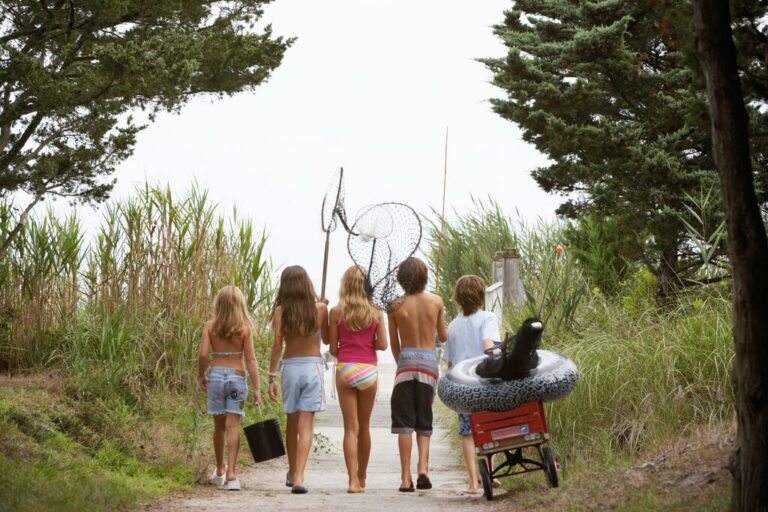
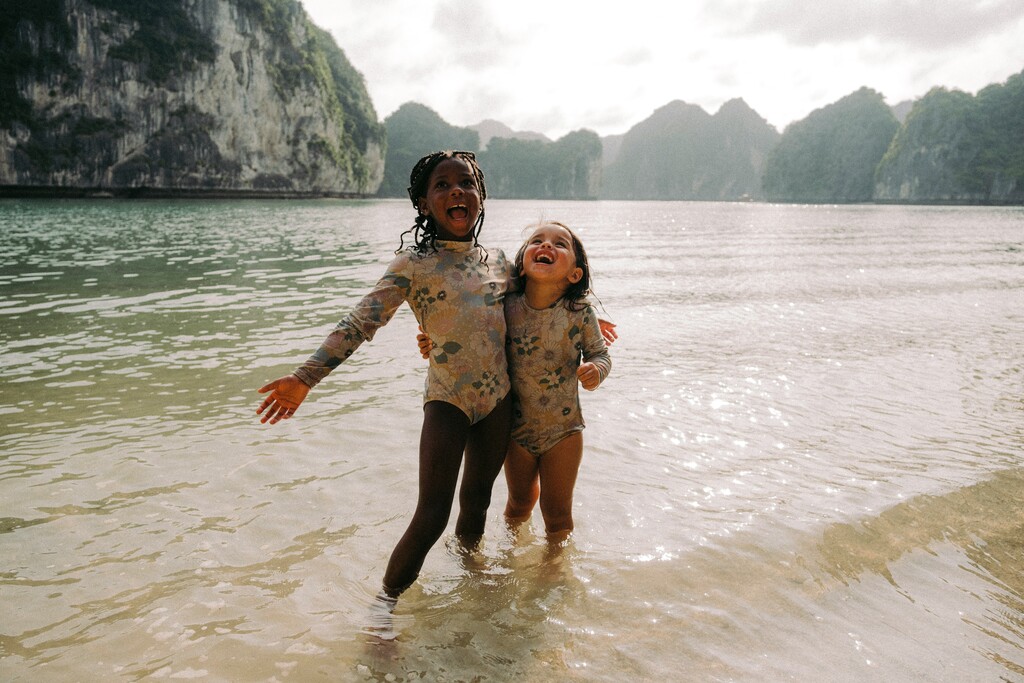
Worldschooling is an approach to education where families travel the world and use real-life experiences as the primary classroom. Instead of sitting in a traditional school, kids learn history at ancient sites, geography by hiking volcanoes, and math through handling money at local markets. It blends elements of homeschooling with long-term travel, and no two worldschooling families do it exactly the same way.
What is Worldschooling, Really?
Worldschooling means your kids learn through real life while you travel. Museums, cultures, nature, daily life. It’s not school on the road. It’s learning from the world itself.
Can Anyone Do it? And How Do You Start?
You hear it everywhere these days – this new way of learning: Worldschooling.
According to homeschool research, homeschooling continues to grow. And many of those families are choosing to combine travel with learning.
So we go through all of that here. Plus, I’ve interviewed real-worldschooling families to share their experiences!
Our Quick Picks
✈️ New to this lifestyle? Start with my Digital Nomad Parents Survival Guide
🏝️ Planning long stays? These are the Best Digital Nomad Family Destinations
What is Worldschooling?
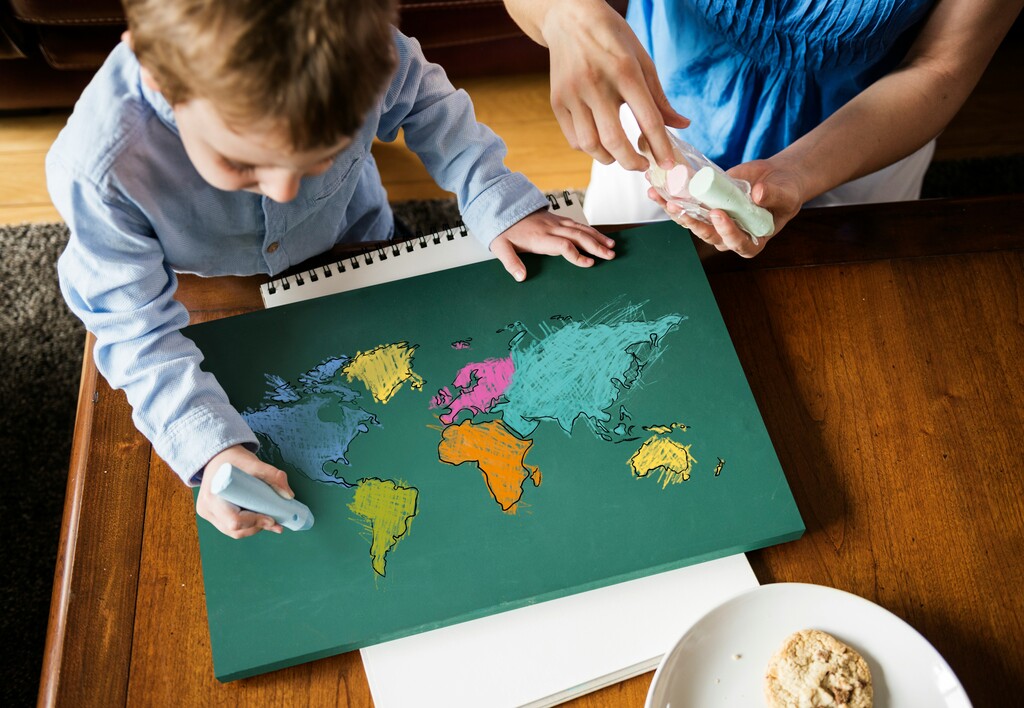
Worldschooling is a way of learning that combines education with world travel. It’s kind of like homeschooling because kids don’t go to a traditional school. But instead of staying in one place, families travel to different countries. Whether you’re in the United States, South America, or the Dominican Republic, the world becomes the classroom.
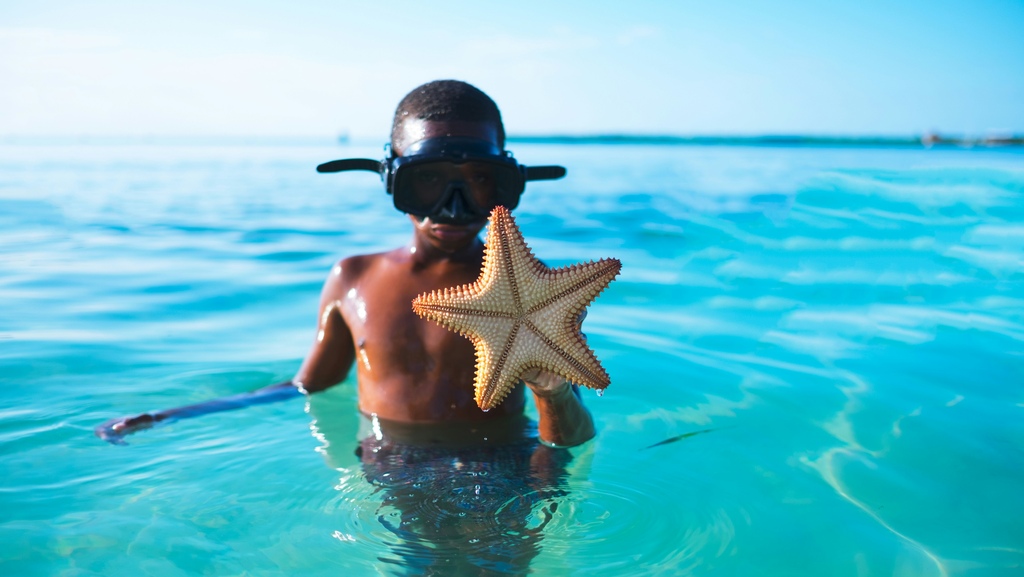
Kids learn by visiting historic sites and museums or through everyday experiences in new cultures – like shopping at local markets or discovering nature firsthand. Worldschooling allows families to explore different places together, turning every destination into a fresh learning adventure.
How Is Worldschooling Different from Traditional Education?
Worldschooling flips the usual idea of school. Instead of sitting in a classroom, kids learn directly from the world around them.
History lessons happen at castles or ancient sites. Geography makes sense when you hike a volcano or explore a rainforest. Math shows up naturally when kids handle money, plan routes, or compare prices at local markets.
There’s no fixed schedule. Some days are structured. Others are slow and curious. Learning adapts to the place, the moment, and the child. Over time, kids also build life skills like flexibility, confidence, and social awareness just by moving through different cultures.
The Origins and Evolution of Worldschooling
Worldschooling has been growing for years, alongside homeschooling and the rise of digital nomadism.
Back in the 1970s, homeschooling started becoming popular in the U.S., with families wanting more control over their kids’ education. But it wasn’t until the internet and remote work exploded in the late 90s and early 2000s that worldschooling really took off. Suddenly, families realized, “Hey, we can travel AND teach our kids at the same time!”
Fast forward to 2026, and now around 2 million families are worldschooling or homeschooling while traveling, according to the National Home Education Research Institute.
And it’s only growing, thanks to the rise of remote work: the latest MBO Partners report shows that 18 million people are now living the digital nomad lifestyle, with about 4.5 million of them traveling with their families.
What Are the Different Types of Worldschooling?
Full-time vs. part-time worldschooling
When it comes to worldschooling, there are two main ways to go about it: full-time or part-time.
Full time worldschoolers are the families who are always on the move, turning every new place into a lecture. When picking a worldschooling destination, families usually think about how much cultural immersion they want for their kids.
On the other hand, part-time worldschoolers mix things up. They might travel for a few months a year and then return home for the rest of the time. They switch between world- and homeschooling.
Structured vs. unstructured approaches
Structured worldschooling is more like traditional homeschooling. There’s a set curriculum, schedules, and maybe even online classes. The kids know what subjects they’re tackling each day, whether they’re at a museum or sitting by the pool.
Then there’s the unstructured approach, which is way more flexible. Here, learning happens naturally, with no strict schedules. For families who travel, it’s important to find a balance between adventure and the learning environment.
Blended learning: using online courses and local resources
Blended learning in worldschooling is like getting the best of both worlds. Families use a mix of online courses and local resources to keep things flexible but still structured when needed.
Kids might do math lessons or local language classes online in the morning, and then in the afternoon, head out to explore a local museum or nature reserve. Using online tutoring can help cover subjects that might need a little more structure in the child’s worldschooling curriculum.
How Does Worldschooling Actually Work? A Day in the Life
In recent years, more nomadic families have turned to project-based learning for fun, hands-on ways to learn. But worldschooling is incredibly unique to each family. That’s why I talked to real worldschooling families to hear their experiences!
Roksana Skupiewska-Zealy is a fellow digital nomad mom who’s traveling the world with her husband, a retired Navy veteran, and their four amazing kids aged 5, 6, 8, and 9. After retiring as a travel X-ray technician in 2026, Roksana and her whole family embraced the nomadic lifestyle, combining adventure with the financial freedom they achieved through the FIRE movement.
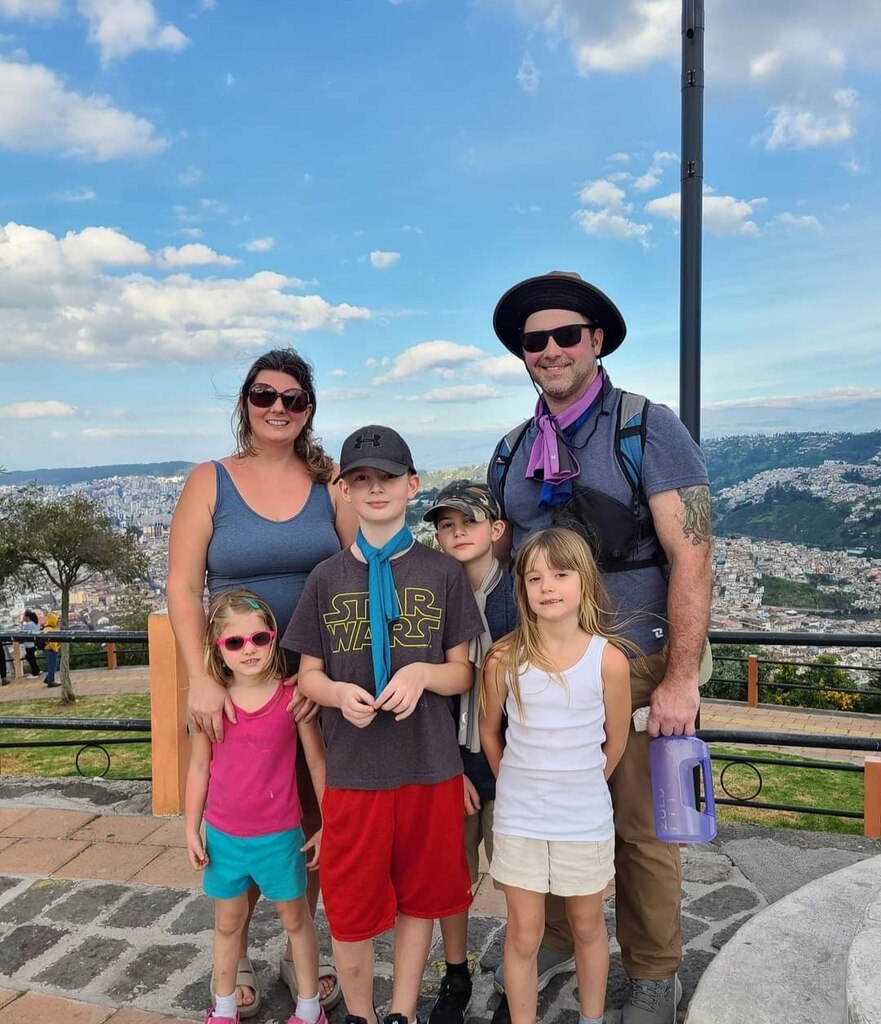
I asked Roksana, “What’s a typical day like for your family on the road?”
Roksana: “Our daily routine begins with a nourishing breakfast, followed by a focused session of homeschooling for the kids. Once they’ve completed their assignments, we take a break for lunch. Afternoons are often spent engaging in indoor activities if the weather isn’t favorable, but when the sun shines, we head out to explore nearby parks or beaches.
These outdoor excursions provide valuable opportunities for socialization, allowing the kids to connect with other children and form meaningful friendships. One of the benefits of our extended stays – typically three months or more – is that the kids have time to develop and nurture these relationships, creating a sense of community and belonging in each new location.”
👉 Read the full interview here.

Shay is a digital nomad single mom who’s traveling the world with her daughter, Willow. Shay parents on the road and helps entrepreneurs and influencers build authentic personal brands.
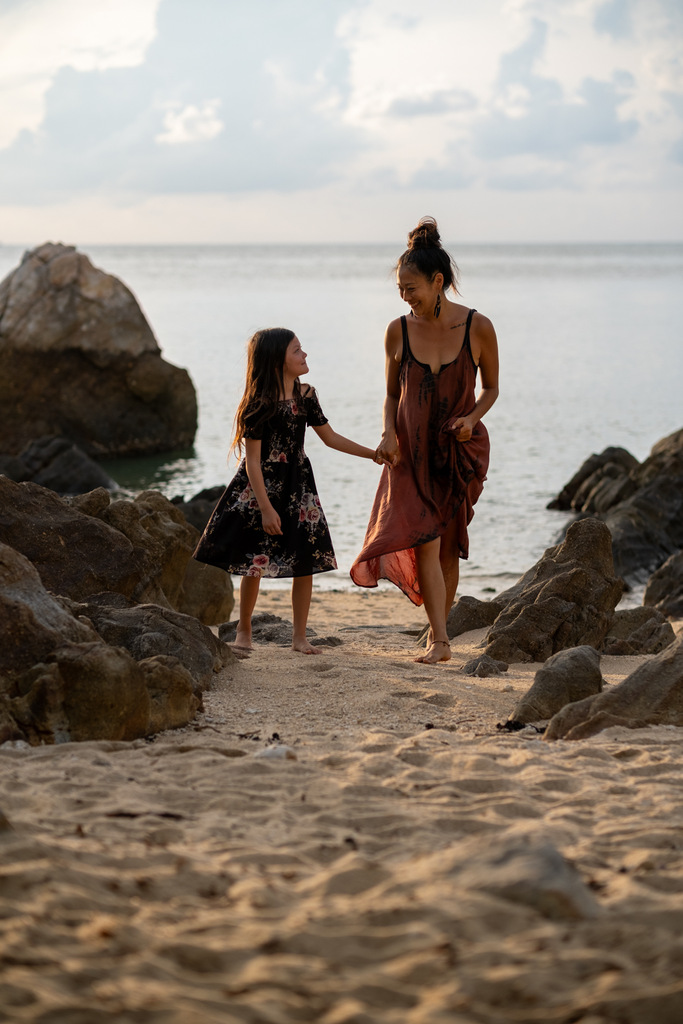
I asked Shay Lavelle, ‘Can you walk us through what a typical day looks like for you as a single digital nomad mom?’
Shay: “So, the best part of this lifestyle is never having to wake up to an alarm clock. It’s amazing. I usually stay up late to get some work done and have my free time after Willow goes to bed.
In the morning, she wakes up an hour or two before me. The night before, I prepare snacks and juice boxes for her. I set up a foldable table with a note saying “Good morning” and set out activities like painting, drawing, or a show to watch. She follows the instructions and is occupied for the first hour or two, allowing me to sleep in.
After I wake up, we’ll touch base, chit-chat, and have breakfast together. Then, I make my cacao and set her up with another activity, giving me an hour to work on messages or content creation. I’ve noticed that after an hour or two, she needs some connection time, which is a good time for me to take a break. We’ll go for a walk, as the beach is just a 15-minute walk away.
After our walk, we have more segmented time where she does some learning activities, and I do some work. In the afternoons, we sometimes nap together or go out. We might visit a place with a pool, where I can work and spend time with her in the sunshine.”
👉 Read the full interview here.
Is Worldschooling Legal?
In most countries around the world, homeschooling and worldschooling are legal. But there are exceptions. Here’s a list of countries where it’s banned or tightly regulated:
Germany: Homeschooling has been banned since 1919, with exceptions granted only in rare cases. Non-compliance can result in fines, custody battles, and even jail time.
Sweden: Homeschooling is technically allowed under very restrictive conditions, but in practice, it’s extremely difficult to obtain permission.
The Netherlands: Homeschooling is banned except for children with religious or philosophical objections to state education, but gaining an exemption is tough.
Spain: Although homeschooling isn’t explicitly banned, Spanish law requires children to attend formal education. Local authorities often take action against families who homeschool.
South Korea: Homeschooling is not legally recognized, and compulsory education laws make traditional school attendance mandatory.
Brazil: Homeschooling was legalized in 2021, but families must meet strict guidelines, including registering with the government and submitting to annual assessments.
Austria: Homeschooling is legal, but homeschooled children are required to take exams each year to prove they’re keeping pace with students in regular schools.
France: Homeschooling is legal but regulated. Families must declare their intent to homeschool annually, and children are subject to inspections to ensure compliance with the national curriculum.
For those traveling and homeschooling, it’s essential to understand these rules and stay compliant with the laws of each country. The Home School Legal Defense Association (HSLDA) is a great resource for homeschooling regulations across countries.
Tips to Stay Compliant While Worldschooling
Look up the laws: Before you visit a country, check its homeschooling rules.
Keep records: Many countries will want proof that your kids are actually learning, so keep a log of lessons, assessments, and activities.
Network with locals: Expat homeschooling groups often have great tips and can help you understand local laws better.
Stay flexible: In strict countries, consider enrolling your kids in an online international school or finding local education programs that meet legal requirements.
What Are the Benefits of Worldschooling?
Cultural awareness grows naturally when kids experience different cultures firsthand. Travel exposes them to new languages, traditions, and perspectives, often making them more open-minded and empathetic.
Adaptability becomes second nature. Plans change. Places change. Kids learn to adjust, problem-solve, and stay calm when things don’t go as expected.
Confidence builds through daily life. Ordering food in another language, navigating new cities, or meeting new people helps kids trust themselves and their abilities.
Family time is one of the biggest benefits. Traveling and learning together creates strong bonds and shared memories that traditional school schedules rarely allow.
A global perspective develops early. Instead of learning about the world from books, kids experience it directly and understand how different people live.
Language skills often come more easily. Being surrounded by other languages encourages listening, speaking, and curiosity without pressure.
What Are the Biggest Challenges of Worldschooling?
Constant movement can be tiring. Living out of suitcases and changing environments means routines take effort, and kids often need intentional stability.
Cost of living adds up quickly. Flights, accommodation, and activities can stretch budgets, especially during peak travel seasons.
Legal rules vary widely. Homeschooling and worldschooling are not accepted everywhere, which means families need to stay informed and flexible.
Social connections take work. While kids meet many people, long-term friendships usually happen during slower travel or longer stays.
Parental burnout is real. Teaching, parenting, working, and organizing travel at the same time can be exhausting without breaks.
Travel fatigue happens. Even adventurous families sometimes need a pause, a base, or simply fewer destinations.
Erin Michele Riska is a dynamic digital nomad mom who’s been worldschooling her tweens while running her own talent acquisition business. Since leaving Colorado in 2020, Erin and her family have been exploring the world, balancing adventure with remote work and education.
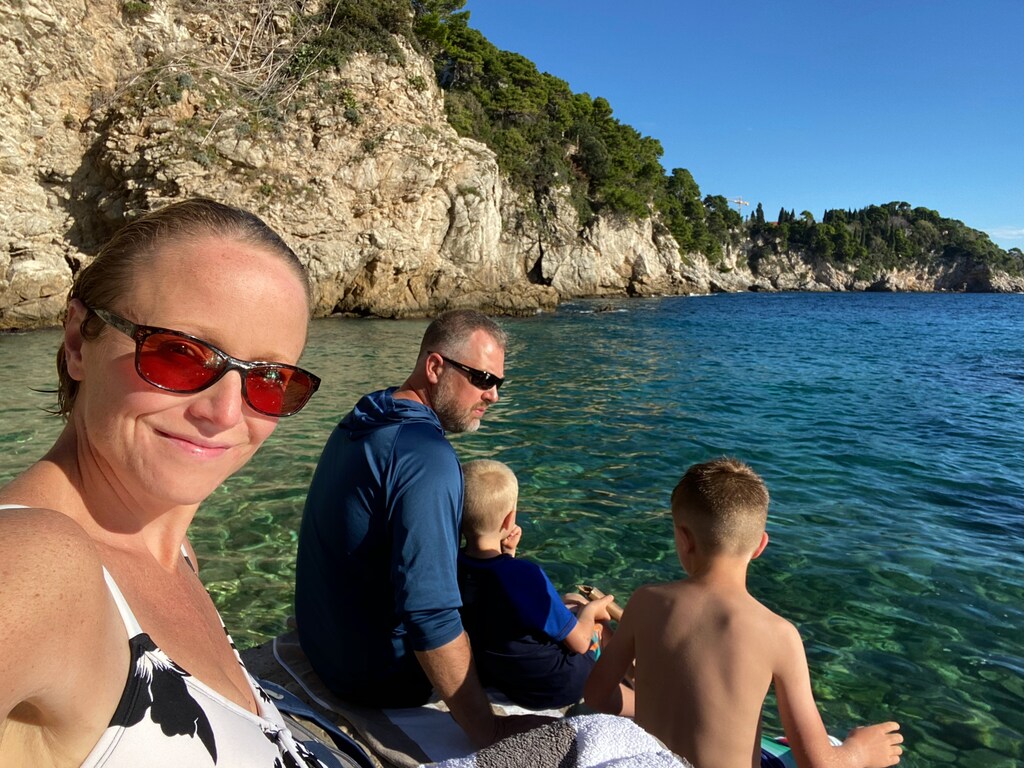
I asked Erin Riska, “What advice would you give to digital nomad families who are just starting to explore alternative education options and worldschooling?”
Erin: “Don’t prepare, begin. The hardest part is just going from 0 to 1. Many who are curious about world schooling or alternative education often spend enormous time researching, seeking a magic bullet to ease their minds. This can lead to spinning wheels rather than taking action. While some preparation is needed, it’s not as significant as people fear. Just go for it.
If you adopt an alternative approach to education, expect differences in learning outcomes, timing, and methods. Children may excel in one area and lag in another, but these will balance out over time. So, my two pieces of advice are: Don’t prepare, just begin with the mindset of “what’s the worst that could happen?” and be prepared for different learning outcomes. After four years, I can attest that these goals will be achieved, sometimes when you least expect it.
If something you try doesn’t work well, you have the autonomy to redirect, shift gears, and try something different. Take what you know, combine and adapt successful elements from various areas. Be adaptable, intentional, and a lifelong learner yourself. By modeling curiosity and a proactive approach to learning new things and finding resources, you instill those values in your kids. To raise lifelong learners, you need to be one yourself.”
👉 Read the full interview here.
The Importance of Deschooling
If your child has been attending a traditional school and is now switching to homeschooling or worldschooling, it’s not something that happens overnight. There’s an active process called “deschooling” that helps with the transition.
Moira Mills, a dedicated digital nomad mom who’s been roadschooling her son, London, while exploring the concepts of deschooling and unschooling. Raised on a homestead in rural Alaska and never attending traditional school herself, Moira’s upbringing inspired her to advocate for a more natural, joyful approach to learning, free from rigid educational systems.
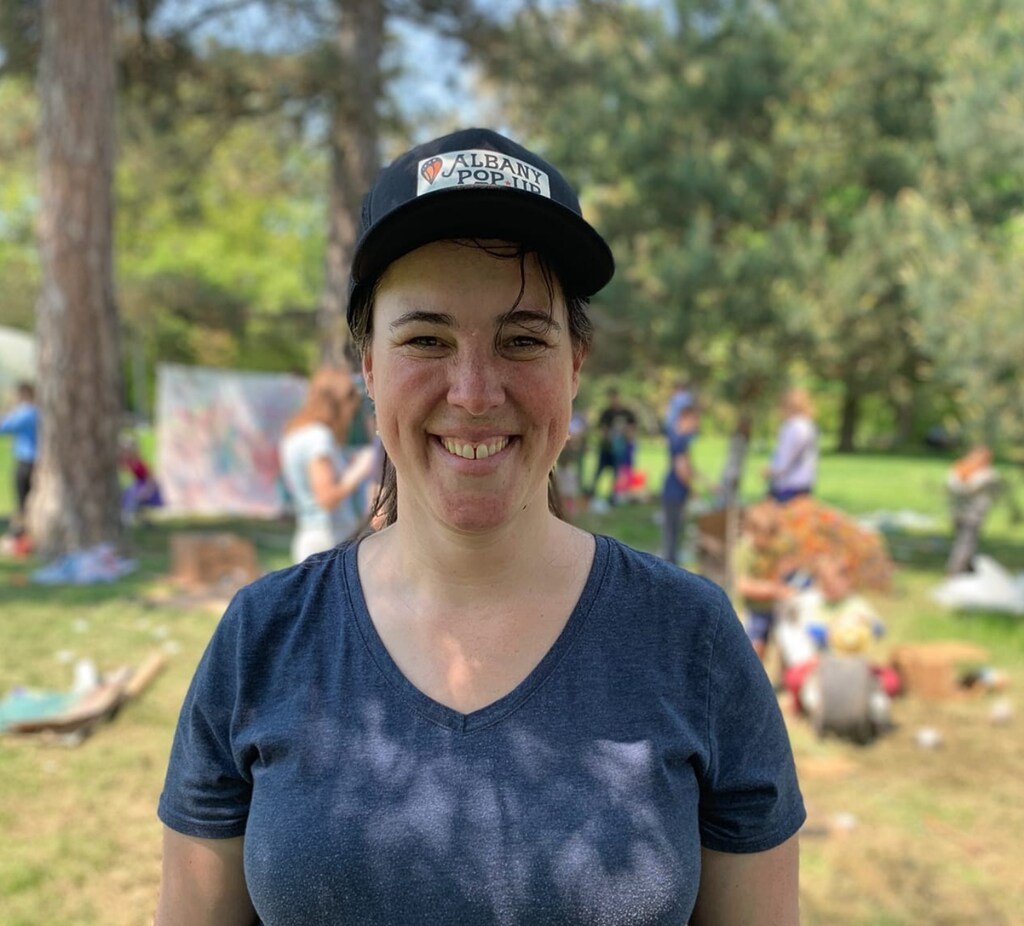
I asked Moira, “What exactly is deschooling, and why is it an important step for families transitioning from traditional schooling to unschooling?”
Moira: “Deschooling is about letting go of the traditional beliefs and practices tied to formal schooling so that you can embrace a more flexible, learner-centered approach. It’s essentially a way to “reset” your understanding of what learning can be like, moving away from the structured, rigid expectations of traditional education.
For families making the switch from traditional schooling to unschooling, deschooling is an essential step. It helps both parents and young children let go of the habits they picked up from regular school.
Traditional schooling often comes with strict rules about how and what should be learned, focusing on tests, grades, and a set curriculum. These systems can create a fixed mindset that can stifle the natural curiosity and enthusiasm that unschooling seeks to nurture.
During deschooling, families take a break from all formal educational methods and start to rediscover learning in a more organic way. It’s a time to reflect on how traditional schooling has shaped your views on education and adjust to the unschooling philosophy, which values learning driven by interests and real-life experiences.
The goal of deschooling is to create an environment where curiosity is encouraged and learning happens naturally through exploration and interaction. It helps families shift their mindset from viewing education as a series of tasks to seeing it as a lifelong, joyful journey. This transition makes it easier to fully embrace unschooling and enjoy the benefits of a more flexible, self-directed approach to learning.”
Worldschooling vs. Homeschooling vs. Unschooling
Worldschooling, homeschooling, and unschooling are all ways to teach kids. Each one has its own style. Homeschooling is pretty structured. It’s like doing regular school but at home, with a set curriculum.
Worldschooling, on the other hand, turns the world into a classroom, where kids learn through travel, visiting cool places, and picking up different languages as they go.
Then there’s unschooling, which is the most relaxed of all. It lets kids learn at their own pace, based on what they’re interested in, with no strict schedule or formal lessons.
Homeschooling works for families who like routine, worldschooling is great for those who love adventure, and unschooling suits families who want total freedom in how their kids learn.
How to Start Worldschooling in 2026
Starting worldschooling in 2026 might feel overwhelming, but it’s easier than you think! Here’s a simple step-by-step guide to help you get going.
First, decide how much structure you want. Do you want a set curriculum or a more flexible approach? There are tons of resources out there like online learning courses, worldschooling communities, and curriculums designed specifically for a learning experience on the go.
Next, start planning your travels with educational goals in mind. Think about what you want your kids to learn from each destination. For example, history in Europe, wildlife in Africa, or marine biology in Southeast Asia.
Finally, connect with other worldschooling families online or in-person to get support and ideas.
Worldschooling Communities and Resources
There are vibrant worldschooling communities all around the world where families come together to share experiences and advice. You’ll find active groups on social media like Facebook’s Worldschoolers group, where over 69,000 members share tips and meet up while traveling. If you’re looking for online forums, Reddit’s Worldschooling Subreddit is a great place to ask questions and read about others’ experiences.
As for educational tools, platforms like Outschool offer tons of live, online classes for kids. Khan Academy is another excellent (and free!) resource that covers subjects from math to history. For a more tailored approach, Wolsey Hall Oxford offers worldschooling-friendly curriculums designed for home-educated students.
For families looking to settle in one place for a while but still live the worldschooling lifestyle, Boundless Life offers communities in various locations that combine travel, education, and remote work in a supportive environment.
👉 You might also like:
– 10 Tips How to NOT Succeed as a Full-Time Travel Family
– The Ultimate Guide to Full-Time Family Travel
How Do Families Afford Worldschooling?
This is the number one question I get. And honestly, it's the right one to ask before you start.
Most worldschooling families aren't independently wealthy. They've just restructured how they earn and spend.
The most common income sources are remote work and freelancing. One or both parents work online, whether that's in tech, writing, design, teaching, or running an online business. The rise of remote work has made this more accessible than ever.
On the cost side, worldschooling can actually be cheaper than staying home. When you leave a high cost-of-living country and base yourself in Southeast Asia, Latin America, or Eastern Europe, your daily expenses often drop significantly. You're not paying for commuting, school lunches, extracurricular fees, or expensive childcare.
Some families fund their travel through house-sitting, travel hacking with points and miles, slow travel (fewer flights = lower costs), or renting out their home while they're gone.
The FIRE movement (Financial Independence, Retire Early) is popular in the worldschooling community too. Roksana's family, for example, embraced this approach before hitting the road.
The honest answer? Worldschooling requires financial planning. But for many families, it costs less than the life they left behind.
What Are Worldschooling Hubs and Programs?
If you want the worldschooling lifestyle but also want ready-made community, worldschooling hubs and programs are worth knowing about.
Worldschooling hubs are physical locations, usually in popular nomad destinations, where families gather for weeks or months at a time. Think co-living spaces with built-in educational activities, social events for kids, and parent networking. Popular hub locations include Lisbon, Bali, Oaxaca, and the Canary Islands.
Organized worldschooling programs take things further. Companies like Boundless Life offer entire packages: accommodation, childcare, education support, and community, all in one place. Families show up, plug in, and instantly have a social world for their kids and a workspace for themselves.
For families who want structure without DIYing everything, these programs are a genuine game-changer. They solve the two biggest challenges at once: keeping kids connected socially and keeping parents sane.
Worldschooling Journeys is another option that comes up a lot in community forums. It organizes group trips specifically for worldschooling families, so kids travel and learn together.
These aren't cheap options. But for families who feel nervous about going it alone, a hub or program can be the perfect first step.
Key Takeaways
- Worldschooling is learning through real life, not classrooms
- It works best with flexibility, not rigid plans
- Legal rules depend on where you live, not where you travel
- Social life is possible with slow travel and community
- You can mix worldschooling with online education
Final Thoughts on Worldschooling
So, that’s worldschooling in a nutshell! It’s not just about learning while you travel; it’s about turning the whole world into your classroom.
When will you start worldschooling? What are your biggest concerns? Let me know in the comments!
Thank you for reading and for making me part of your day! Yours, Lulu
FAQ: Worldschooling in 2026
Is worldschooling legal?
Worldschooling is legal in most countries, but rules vary widely. Legality depends on your citizenship, your home country’s homeschooling laws, and the country you’re visiting or residing in. Countries like Germany and Sweden heavily restrict homeschooling, while the US, UK, Australia, and most of Latin America allow it with minimal requirements. Always check the laws for both your home country and your destination before you go.
What age is best to start worldschooling?
There is no universally best age to start worldschooling. Many families begin when kids are young (under 10) because learning is flexible, social pressure is low, and children adapt quickly to new environments. Families with tweens and teens also worldschool successfully, though older kids may need more structured curriculum options or online schooling to stay on track academically.
Is worldschooling the same as homeschooling?
No. Homeschooling usually follows a curriculum. Worldschooling uses real-world experiences as the main learning tool.
Do worldschooling kids miss out socially?
Not automatically. Kids in worldschooling families build friendships through worldschooling hubs, long-term stays of three months or more, organized programs, and community meetups. The key is slower travel: spending enough time in one place for real friendships to form. Many worldschooled kids report a wider, more diverse social circle than their traditionally schooled peers.
Can you worldschool and still use online school?
Yes. Many families combine travel with online schools or tutors for structure where needed.
How do families afford worldschooling?
Most worldschooling families fund their lifestyle through remote work, freelancing, or running online businesses. Costs often drop when families base themselves in lower cost-of-living countries like Thailand, Mexico, or Portugal, where daily expenses, housing, and activities cost far less than in the US or Western Europe. Some families also use house-sitting, travel rewards points, or renting out their home while traveling to offset costs.
What is deschooling and why does it matter?
Deschooling is the transition period families go through when leaving traditional schooling behind. It involves letting go of rigid expectations around grades, schedules, and formal lessons so that children (and parents) can embrace a more flexible, curiosity-driven approach to learning. Most experts suggest allowing roughly one month of deschooling for every year a child spent in traditional school.
What are worldschooling hubs?
Worldschooling hubs are physical locations, usually in popular nomad-friendly destinations, where worldschooling families gather for weeks or months at a time. They offer built-in community, educational activities for kids, and workspaces for parents. Popular hub locations include Bali, Lisbon, Oaxaca, and the Canary Islands. Some hubs are informal meetup spots; others are organized programs like Boundless Life that bundle accommodation, childcare, and education support.