

Is Thailand Good for Scuba Diving?
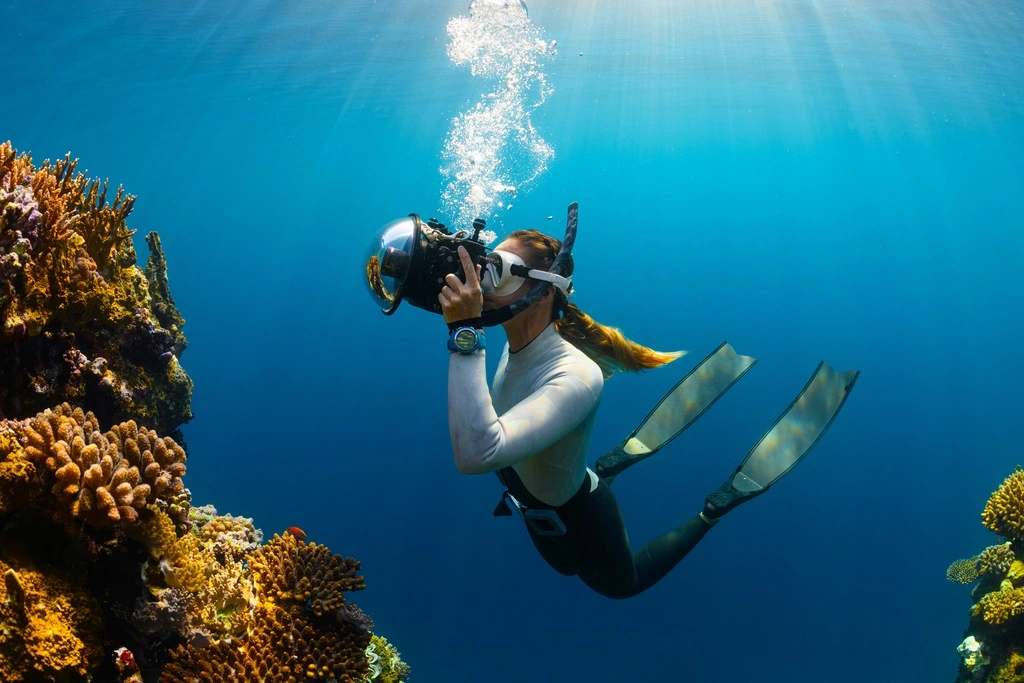
Yes. Thailand is great for scuba diving. You get warm water, solid visibility, super affordable dive trips, and sites for both beginners and experienced divers.
Where To Find The Best Scuba Diving in Thailand (2026)
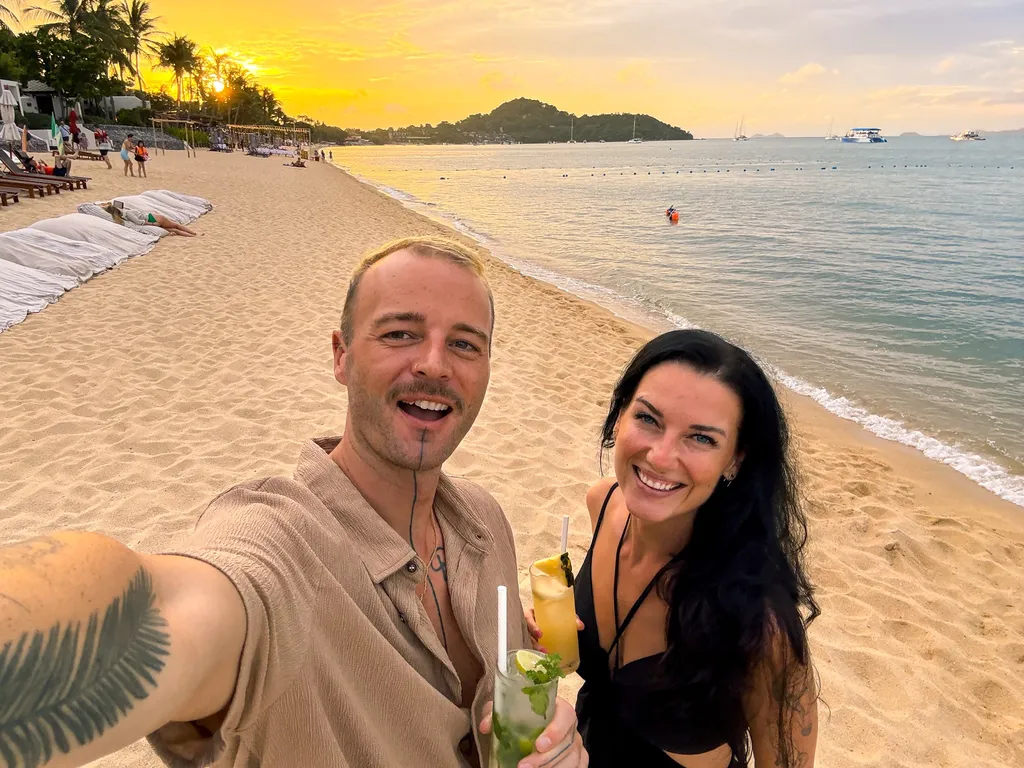
My husband and I have been passionate scuba divers for over 2 decades. We’ve explored reefs and wrecks all over the world, but since moving to Thailand in 2019, we’ve been spoiled with some of the best scuba diving.
The underwater adventures here aren’t the best in the world, but they’re pretty awesome and can still blow you away.
Why Thailand is such a good diving destination, and why 2026 is a good year to go.
Our Quick Picks
🤿 Planning your Thailand trip? Here’s when flights are usually cheapest.
❄️ Visiting during the cooler months? This is what winter in Thailand really feels like.
🏥 This is the Family Health Insurance Plan we actually use.
Why Scuba Dive in Thailand?
Thailand is pretty incredible for scuba divers. Here’s why you should pack your fins and head to the Land of Smiles:
Warm Waters and Year-Round Diving
Thailand’s waters are warm all year, with temperatures usually between 27°C to 30°C (80°F to 86°F). That means comfortable dives all year, without the freezing wetsuit and the chattering teeth. You can plan a dive trip anytime, but certain regions shine at specific times of the year (more on that later!).
Perfect for Beginners and Pros
If you’re just getting started, Thailand has plenty of calm, shallow sites with easy conditions. For advanced divers, there are deeper pinnacles, thrilling drift dives, and fascinating wrecks to explore.
Incredible Marine Life
Thailand’s underwater world is buzzing with life. You might spot a majestic whale shark or a graceful manta ray gliding by. Coral reefs are alive with colorful fish, sea turtles, and quirky creatures like seahorses and nudibranchs.
Great Dive Conditions
Visibility is usually excellent, ranging from 33 to 100 feet (10 to 30 meters), depending on the location and time of year. Currents vary, too, so you can choose gentle sites for relaxed dives or stronger currents for a more adventurous experience.
Seasonal weather shifts between the Andaman Sea and the Gulf of Thailand, so there’s always a great spot to dive if you time it right.

Top Dive Destinations in Thailand
Here’s a table summarizing the top dive sites, and below, you’ll find detailed information about each one.
1. Similan Islands
The Similan Islands are one of the top dive destinations in Thailand. Located in the Andaman Sea, they’re known for clear water, dramatic underwater rock formations, and excellent marine life.
What to Expect
- Large granite boulders stacked underwater
- Swim-throughs and narrow passages
- Colorful coral gardens
- Big, open-feeling dive sites
This is proper ocean diving and a favorite for more experienced divers.
Best Dive Sites
- Elephant Head Rock
Huge boulders, arches, and caves. A fun, slightly more demanding dive where you’re constantly moving. Reef sharks and large schools of fish are common here. - Richelieu Rock
One of the best dive sites in Thailand. Known for whale shark sightings, vibrant soft corals, and a lot of small marine life like seahorses and ghost pipefish. Every dive here feels different.

Who It’s For
- Best suited for advanced divers
- Currents can be strong and conditions change quickly
- Confident beginners can dive here with experienced guides
How to Get There
- Most trips start from Khao Lak
- Speedboat ride takes about 1.5 to 2 hours
- Liveaboards also depart from Khao Lak
- From Phuket, you’ll need to travel to Khao Lak first (around 1.5 hours by car or bus), then continue by boat
We did a liveaboard trip to the Similans in 2015. Three days. Four dives per day. Incredible and completely exhausting.
Season
- Trips sell out fast, so planning ahead matters
- The Similan Islands are part of a protected national park
- Open for diving from mid-October to mid-May only
2. Surin Islands
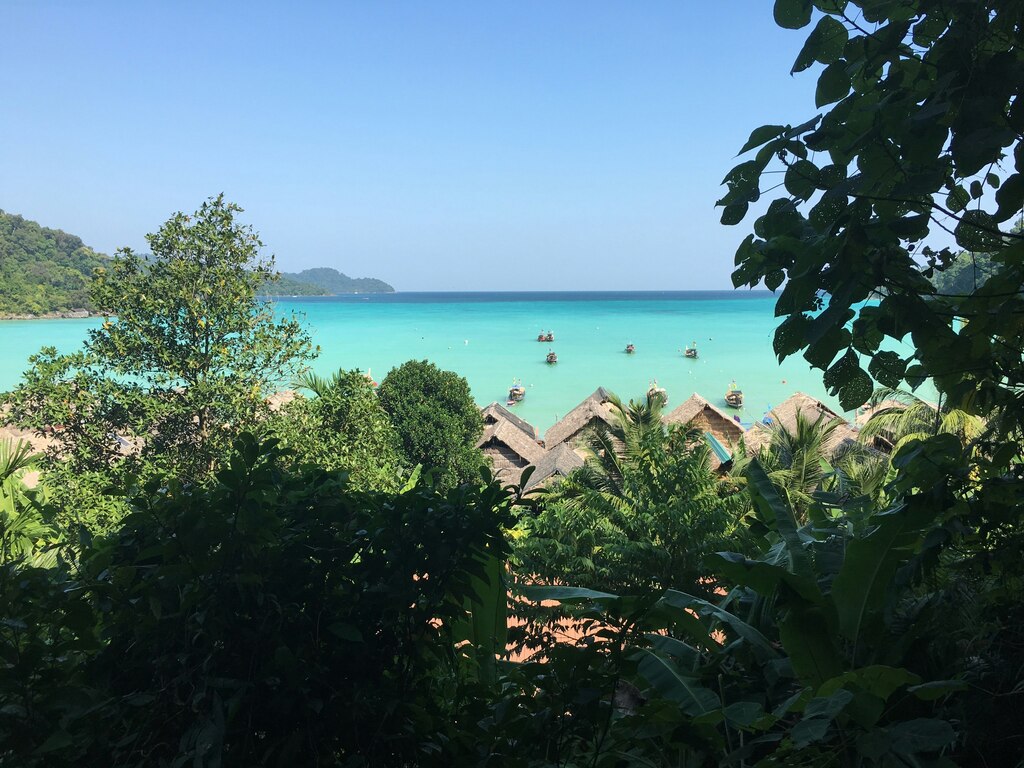
The Surin Islands are a great choice if you want relaxed diving with beautiful reefs. They sit in the Andaman Sea close to the Thai–Myanmar border and feel quieter than some of Thailand’s more famous dive spots.
What to Expect
- Healthy, colorful coral reefs
- Lots of reef fish
- Regular sea turtle sightings
- Clear, calm water that’s easy to enjoy
Who It’s For
- Beginners who want easy conditions
- Experienced divers who enjoy slow, relaxed dives
- Snorkelers, especially around the reefs close to the surface
How to Get There
- Most trips leave from Kuraburi Pier
- Kuraburi is about 1.5 hours by car from Khao Lak
- Speedboats take around 1.5 hours to reach the islands
- Many liveaboards include the Surin Islands in their itineraries
Season
- Open for diving from mid-October to mid-May
- Usually less crowded than the Similan Islands
- A solid option if you want great marine life without the busy vibe
3. Koh Tao
Koh Tao, also known as “Turtle Island,” is one of the most popular places to dive in Thailand. We lived there for a total of six months and absolutely loved it (even though it’s pretty crowded with tourists year-round).
Known for calm water and easy conditions, Koh Tao is one of the most popular places to learn scuba diving in Thailand. At the same time, it still offers a few proper dives for more experienced divers.
What to Expect
- Thailand’s biggest hub for dive schools
- Shallow reefs with lots of marine life
- Parrotfish, butterflyfish, and plenty of blacktip reef sharks
- Deeper sites nearby with stronger currents and larger fish
Key Dive Sites
- Chumphon Pinnacle
A deeper dive known for barracudas, giant groupers, and the occasional whale shark. My husband was lucky enough to see one here. - Sail Rock
Located between Koh Tao and Koh Phangan. Famous for its vertical chimney swim-through and large schools of fish. One of the best dive sites in the Gulf of Thailand and also easy to reach from Koh Phangan.

Who It’s For
- Beginners who want calm conditions and lots of dive schools
- Certified divers looking for deeper, more challenging sites
How to Get There
- Ferry from Koh Samui, Koh Phangan, or the mainland
- Mainland routes run from Surat Thani or Chumphon
- Travel time is roughly 1.5 to 2.5 hours, depending on where you start
- Easy to combine with Koh Phangan or Koh Samui for a Gulf of Thailand trip
4. Phuket
Phuket is one of Thailand’s main diving hubs. You get a bit of everything here: wreck dives, coral reefs, and drift dives. It’s easy to reach and works well for both beginners and experienced divers.
What to Expect
- A wide mix of dive sites
- Shallow reefs for easy, relaxed dives
- Deeper wrecks and drift dives with stronger currents
- Regular sightings of leopard sharks, moray eels, and large schools of fish
Key Dive Sites
- King Cruiser Wreck
A former ferry that sank in 1997 and is now a lively artificial reef. Covered in soft corals and packed with fish. A classic Phuket dive. - Shark Point
Known for healthy coral and frequent leopard shark sightings. A good mix of marine life and gentle drift diving.
Who It’s For
- Beginners who want easy reef dives
- Certified divers looking for wrecks and drift dives
- Anyone who wants variety without long boat rides
How to Get There
- Phuket has direct flights from many international destinations
- Most dive trips leave from Chalong Bay
- Easy day trips to nearby sites
- Liveaboards also depart from Phuket for places like the Similan Islands

5. Koh Phi Phi
Koh Phi Phi is best known for its beaches, but it’s also a solid place for scuba diving. Underwater, you get caves, swim-throughs, and coral-covered walls that make dives here feel a bit more dramatic.
What to Expect
- Steep walls and interesting underwater formations
- Caves and swim-throughs
- Regular sightings of blacktip reef sharks and turtles
- Colorful reefs with plenty of tropical fish
Key Dive Sites
- Bida Nok
Known for deep walls, swim-throughs, and reef sharks cruising along the drop-offs. - Bida Nai
Close to Bida Nok, with shallower reefs, caves, and lots of colorful marine life. A good mix of relaxed and slightly more adventurous diving.

Who It’s For
- Beginners who want to stay on shallower reefs
- Certified divers who enjoy walls and swim-throughs
- Divers looking for variety without long boat rides
How to Get There
- Ferry from Phuket or Krabi
- Travel time is about 1.5 to 2 hours
- Dive shops are easy to find once you arrive
- Short boat rides to most nearby dive sites
6. Koh Lanta
Koh Lanta is a relaxed dive destination in the Andaman Sea. It’s a good choice if you want strong dive sites without the busy feel of places like Phuket or Phi Phi.
What to Expect
- Healthy reefs and lots of marine life
- Bigger stuff further offshore
- Steep walls and colorful coral at Hin Daeng and Hin Muang
- Regular manta ray sightings and the occasional whale shark
Key Dive Sites
- Hin Daeng
Also called Red Rock. Known for manta rays, deep walls, and strong currents. Best suited for experienced divers. - Hin Muang
Purple Rock, named after its soft corals. Deep dives with barracudas, jacks, rays, and plenty of action. Another site for confident, certified divers.
Who It’s For
- Divers who want fewer crowds
- Beginners who stay on calmer, closer reefs
- Experienced divers looking for deeper, more demanding dives
How to Get There
- Ferry from Krabi, Phuket, or Koh Phi Phi
- Day trips and liveaboards run from Koh Lanta
- Boat ride to Hin Daeng and Hin Muang takes about 1.5 to 2 hours
7. Pattaya
Pattaya isn’t the first place most people think of for scuba diving. But if you like wreck dives or want something close to Bangkok, it actually works very well.
What to Expect
- Several accessible wreck dives
- Marine life gathering around the wrecks
- Barracudas, groupers, and the occasional ray
- Lower visibility than island diving, but interesting underwater structures
Key Dive Sites
- HTMS Khram Wreck
A sunken naval ship that’s now full of marine life. Good for exploring and basic wreck penetration with the right certification. - HTMS Kut Wreck
Slightly deeper than Khram and better suited for advanced divers. More technical and more challenging.
Who It’s For
- Divers who enjoy wreck diving
- Beginners staying on the outside of wrecks
- Advanced divers interested in penetration and deeper profiles
How to Get There
- About two hours by car from Bangkok
- Easy day trips or weekend dives
- Local dive shops run regular trips to the wrecks
Where to Stay in Bangkok
Check out these amazing Hotels in Bangkok or use the map below. 👇
Diving Seasons and Best Times to Visit
Thailand offers year-round diving, but the best conditions depend on the region and the season. Here’s a breakdown to help you plan your trip.
- Andaman Sea (November to April):
This is the best time to dive in the Andaman Sea, which includes top spots like the Similan Islands, Surin Islands, Koh Phi Phi, and Koh Lanta. The dry season brings calm seas, great visibility, and comfortable water temperatures. Whale sharks and manta rays are often spotted during this time, making it a prime season for marine life enthusiasts. - Gulf of Thailand (May to September):
For sites like Koh Tao, Koh Samui, and Sail Rock, the Gulf of Thailand shines during its dry season. Waters are clear, visibility is excellent, and conditions are calm. The weather is ideal for exploring the Gulf’s vibrant reefs and iconic dive spots.
Monsoon Patterns and Their Impact
Thailand’s monsoons affect diving conditions depending on the region:
- Andaman Sea: Monsoons hit from May to October, bringing rough seas, reduced visibility, and limited access to many dive sites.
- Gulf of Thailand: Monsoons occur from October to April, but conditions are typically better than in the Andaman Sea during its monsoon.
Best Times for Specific Regions
- If your trip is between November and April, head to the Andaman Sea for the best visibility and marine life encounters.
- If you’re traveling between May and September, focus on the Gulf of Thailand for its calm conditions and sunny days.

Unique Marine Encounters in Thailand
Whale Shark Sightings
- When to Spot Them: Whale sharks usually appear between February and May.
- Where to Spot Them: Divers often see them at Richelieu Rock in the Andaman Sea and Chumphon Pinnacle in the Gulf of Thailand.
Manta Ray Encounters
- When to Spot Them: The best time to see manta rays is from November to April.
- Where to Spot Them: You can find them at Hin Daeng and Hin Muang near Koh Lanta.
Macro Diving Highlights
- Nudibranchs: These colorful creatures show up at many sites, including Richelieu Rock and Koh Tao.
- Seahorses: You can spot them at muck diving sites around Phuket and Koh Lanta, often clinging to soft corals or hiding in sandy areas.
- Other Critters: Ghost pipefish, frogfish, and cuttlefish appear frequently at Richelieu Rock and Koh Tao.
👉 You might also like my other Koh Samui articles:
– When is the Cheapest Time to Fly to Thailand?
– The 8 Best Airlines to Fly to Thailand
Diving Tips for Thailand
Certification Requirements and Tips for Beginners
- Thailand is a great place to start diving. Many dive centers offer affordable PADI Open Water Certification courses.
- Beginners should start with calm sites like Koh Tao or shallow reefs near Phuket.
- Always dive within your limits and follow your instructor’s guidance.
Eco-Friendly Diving Practices
- Avoid touching coral or marine life to prevent damage.
- Use reef-safe sunscreen to protect marine ecosystems.
- Don’t take any souvenirs from the ocean, like shells or coral.
- Choose dive operators that prioritize sustainability and marine conservation. Look for certifications like PADI Green Star, 100% AWARE Partner, or affiliation with environmental groups like Reef-World Foundation or Green Fins.
Packing Essentials for a Diving Trip
- Certification card and logbook (we only carry it digitally).
- Personal dive gear if you have it (mask, snorkel, fins).
- Reef-safe sunscreen to protect yourself and marine life.
- Quick-dry towels and swimwear.
- A dry bag to keep your belongings safe and dry on boat trips.
- Motion sickness tablets for long boat rides (the yellow ones for 10 THB in Thai pharmacies).
- Optional extras: A dive computer or an underwater camera, if you want more out of the dive.
Key Takeaways
- Thailand has great diving, especially if you pick the right coast for the season
- Andaman Sea is best in Nov–Apr, Gulf side is often best in May–Sep
- Koh Tao is the easiest place to learn
- Richelieu Rock and Hin Daeng are top picks for big marine encounters
- Your trip gets better fast when you plan around monsoon patterns
Final Thoughts on the Best Scuba Diving in Thailand
Thailand isn’t the ultimate diver’s paradise, but it has some truly amazing spots if you know where to look. Places like Richelieu Rock, Hin Daeng, and Sail Rock offer unforgettable underwater adventures, from whale shark encounters to vibrant coral reefs.
Whether you’re a beginner or an experienced diver, Thailand’s waters have something special for everyone.
If you’re diving in 2026, I hope this guide helps you make the most of your trip. Let me know what you see out there. I’d love to hear your stories!
Thank you for reading and for making me part of your day! Yours, Lulu
FAQ on the Best Scuba Diving in Thailand
How much does scuba diving cost in Thailand?
A fun dive day trip is often the price of a tour + equipment rental, and certification costs depend on the island and school. Koh Tao is usually one of the cheapest places to learn. I usually pay under $80 (€67) for a full-day trip with 2 dives.
Where is the best place to dive in Thailand for beginners?
Koh Tao. Conditions are usually calm, dive schools are everywhere, and you can start on easy, shallow sites.
Where is the best time to dive in Thailand?
Andaman Sea is best from November to April. The Gulf side (Koh Tao area) is usually better from May to September.
Is Thailand good for scuba diving?
Yes. Warm water, decent visibility, and a mix of beginner reefs and advanced pinnacles make it a strong all-round destination.