

Should You Visit Thailand During Rainy Season?
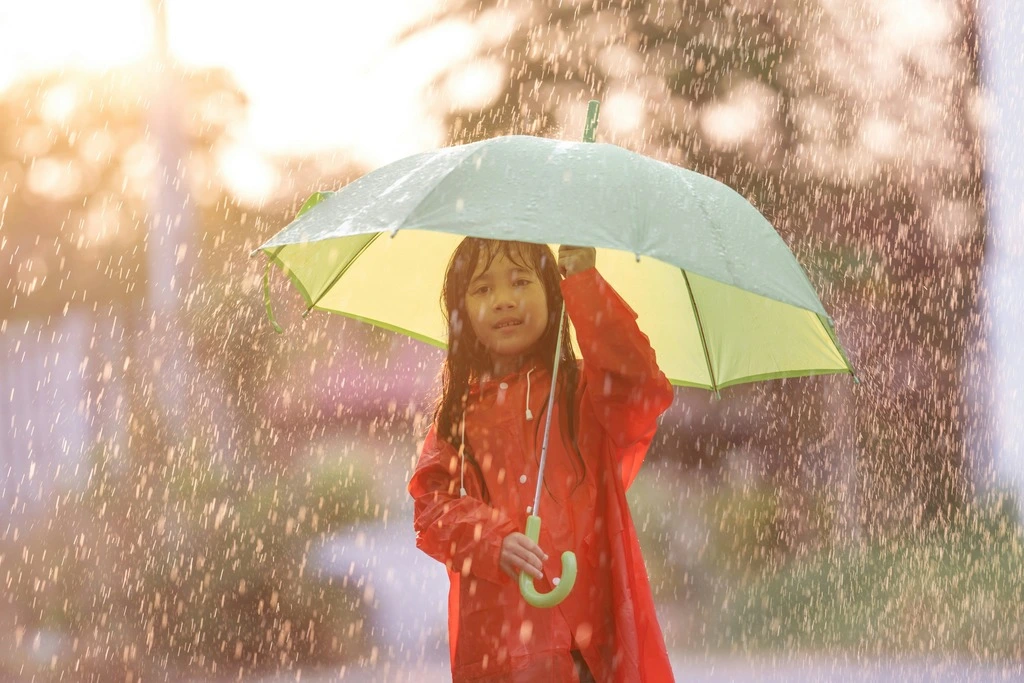
Yes, Thailand in rainy season is absolutely worth it for the right traveler. Most days are hot and sunny in the morning with short tropical downpours in the late afternoon or evening. It rarely rains all day. Prices are lower, crowds are smaller, and the landscapes are stunning. The key is knowing which region gets rain when, because Thailand’s two coasts follow completely opposite monsoon schedules.
Let me guess. You saw some cheap flights to Thailand and got super excited. Then you noticed it’s rainy season. And now you’re wondering…
Should I still go? Will it pour all day? Will my beach holiday be a total flop?
I get it. We’ve been living in Thailand since 2019 with our two kids. And yes, we’ve lived through a LOT of rainy seasons. From Bangkok traffic jams in ankle-deep water to jungle walks in Chiang Mai rain, to full-blown flooding on Koh Phangan that turned school pick-ups into rescue missions.
So let’s clear up the confusion.
This is your no-fluff guide to rainy season in Thailand: what to expect, when NOT to come, and how to actually enjoy it.

When Is Rainy Season in Thailand?
Here’s the twist: rainy season, aka monsoon season, doesn’t hit all of Thailand at the same time. The country is huge, and the monsoon behaves differently depending on where you go.
- Most of Thailand (Bangkok, Chiang Mai, Krabi, Phuket): Rainy season runs May to October, with the wettest months in August and September. This is caused by the southwest monsoon coming from the Indian Ocean, bringing heavy rain to central, northern, and the west coast of southern Thailand.
- Koh Samui, Koh Phangan, Koh Tao (Gulf of Thailand): Rain comes later, with the heaviest downpours from October to early December. These islands are influenced by the northeast monsoon, which moves in from the South China Sea and hits the Gulf just as the rest of Thailand starts to dry up.
Yep, total opposites. Which means… if you choose the right spot, you can still find sunshine even in the middle of low season.
What Is the Rain Actually Like?
No, it doesn’t rain 24/7. This is not a European November.
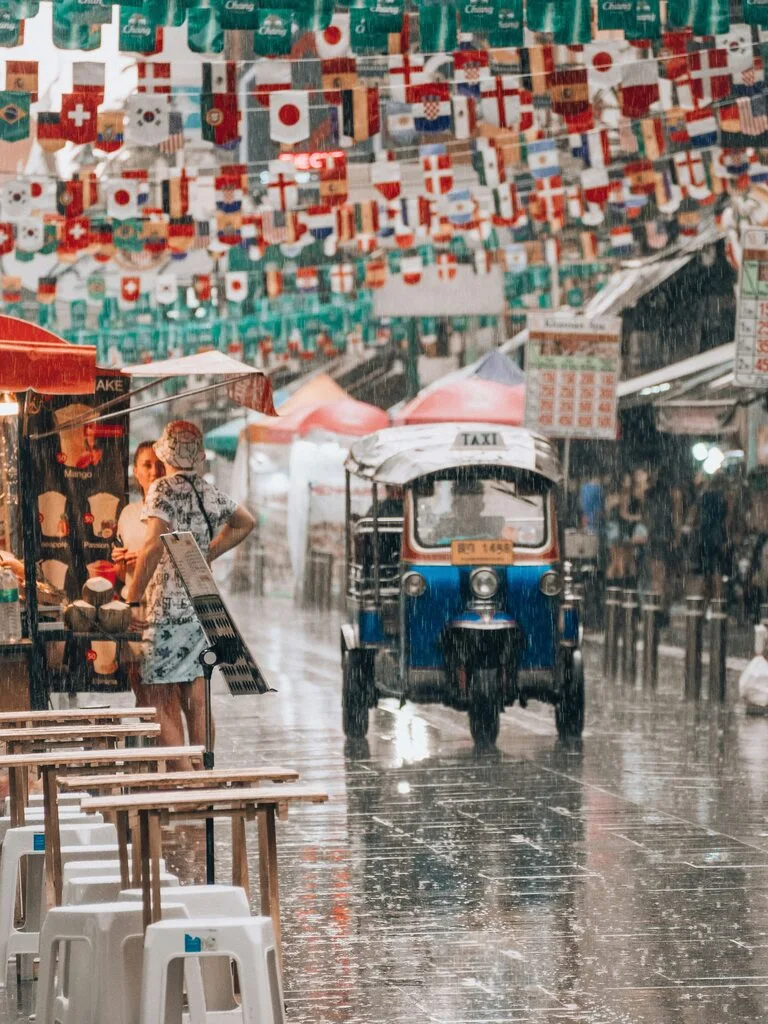
Most days, it’s hot and sunny in the morning, then BOOM: a tropical downpour in the late afternoon or evening. Sometimes 20 minutes, sometimes a few hours. Then it clears up again.
But! If you’re really unlucky, you might catch tropical storms. Like we did in December 2024 on Koh Phangan. The flooding was insane. We couldn’t even pick up our kids from school. A parent with a big jeep evacuated all the kids and teachers. Whole parts of the island were completely cut off for days.
One big reason? The water drainage systems in many parts of Thailand are… let’s say, not ideal. Especially in places like Koh Phangan, where new housing complexes and roads are built fast, but without much thought about where the water should actually go. So when it rains hard for more than a day, streets flood, entire areas overflow, and daily life just stops.
So yeah. The rain can be serious.
I made this timelapse in Koh Phangan. Look how quickly the weather goes from sun to storm.
When NOT to Travel to Thailand
Honestly, avoid:
- Late September and early October if you’re headed to Phuket or Krabi. That’s peak wet season with some of the highest rainfall of the year, up to 400 mm (about 16 inches) in a single month. Roads can get washed out, boat tours are often canceled, and the sea can be too rough for ferries.
- Late November on Koh Phangan, Koh Samui, and Koh Tao that’s when monsoon hits the Gulf islands. In November, Koh Samui can get over 500 mm (nearly 20 inches) of rain. We’ve lived through it. It’s not ideal for beach days, or doing much of anything outdoors.
- Chiang Mai in August and September can also be tricky if you plan on hiking. Trails get muddy and slippery, and leeches are a thing.
For comparison: in dry season (December to February), Bangkok averages just 10-30 mm of rain a month. In September, that jumps to over 300 mm (around 12 inches).

Why You Might Actually Love Rainy Season
Rainy season gets a bad rap, but there are some real upsides. Especially if you don’t need perfect blue skies every day.
- Fewer tourists. In August, Bangkok sees about 1.3 million foreign visitors. Compare that to January, when it’s closer to 3.5 million. Less crowd means shorter queues, quieter beaches, and fewer people photobombing your temple pics.
- Lower prices. Flights from Europe to Bangkok can be up to 40% cheaper in low season. We’ve scored roundtrip tickets from Germany for under 500 EUR. Hotel deals? Oh yes. A beachfront resort that costs 150 USD in January might go for 70 USD in August. Even luxury stays throw in extras like free upgrades or airport transfers.
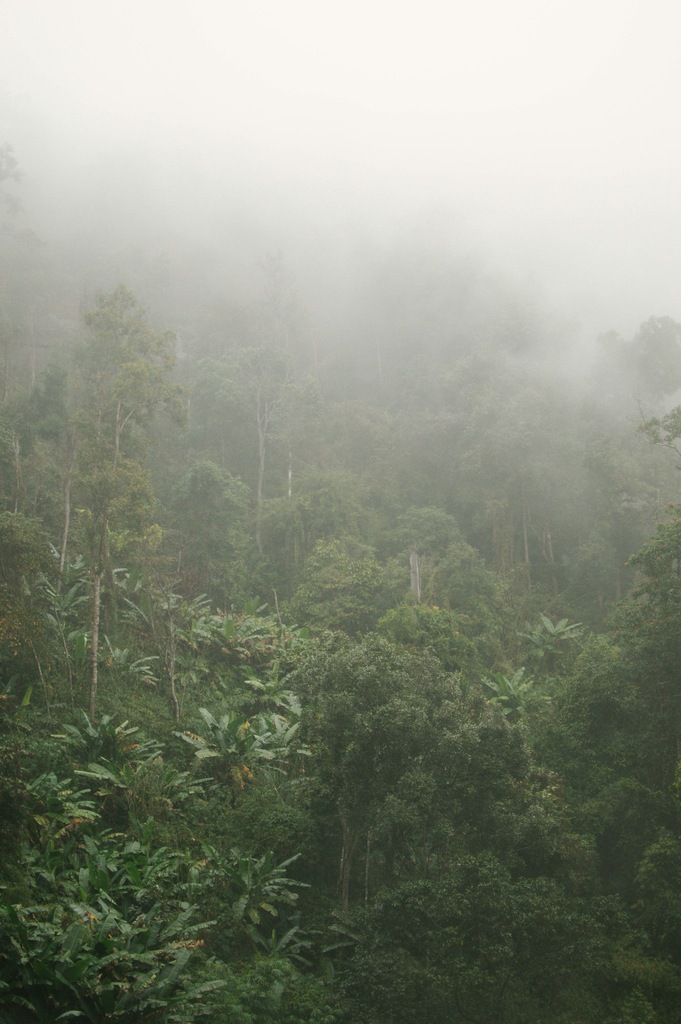
- Everything is green. This is when Thailand looks like the travel brochure. The rice fields glow neon green. Waterfalls are powerful. Jungle treks feel like walking through a real-life rainforest movie. If you’re into nature, this is the time to come.
- It’s cooler (kind of). April can reach 38°C (100°F), but during rainy season, average daytime temps in Chiang Mai drop to around 30-32°C (86-89°F). Nights can be even cooler. Add a breeze after the rain and it’s actually quite pleasant, unless you’re caught in jeans and no umbrella.
- Better deals on tours. Many tour operators offer rainy-season promos or last-minute discounts. Some even throw in rain ponchos with a smile. And with fewer bookings, you’re more likely to get personalized attention.

What to Pack During Rainy Season in Thailand
- A lightweight rain jacket without buttons, the rain can come from every direction
- Umbrellas do make sense in cities like Bangkok or Chiang Mai, where you’re walking between shops or malls. But if you’re on a windy island and scootering around? Don’t even bother.
- Waterproof bag or dry pouch. Your phone will thank you
- Quick-dry clothes and plastic sandals: trust me, your cute cotton or leather ones won’t dry for days once they’re soaked

Borogo Rain Poncho (2-Pack) – $9.99

SaphiRose Rain Poncho – $29.99

REEF Cushion Breeze Flip Flops – $40.00
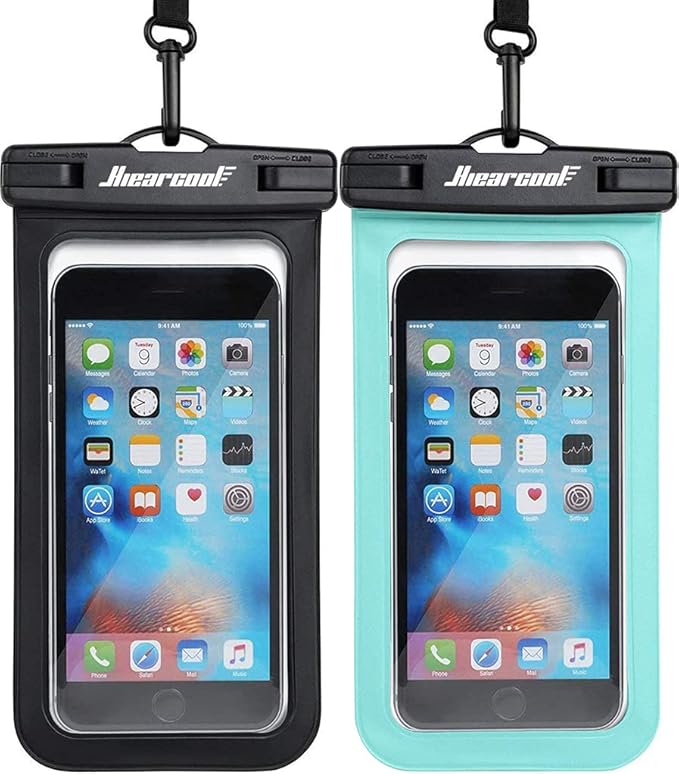
Hiearcool Waterproof Phone Pouch (2-Pack) – $9.99

32 Degrees Cool Men’s Active T-Shirt – $11.99

Women’s UPF 50+ Sun Protection Shirt – $25.49

THE GYM PEOPLE Sports Bra – $17.99
What to Do During Rainy Season in Thailand
Just because it’s raining doesn’t mean your trip is ruined. Here’s how we handle it:
- Book a hotel you WANT to stay stuck in. Sounds silly, but this is the biggest tip I can give. We always choose hotels with a good spa and a proper kids club. If it rains all day? No problem. You’ve got everything you need: massages, a playroom, decent food, maybe even a bathtub.
- Pick the right places. Cities like Chiang Mai, Bangkok, or Phuket are great in rainy season because they have tons of indoor options, giant malls, museums, movie theaters, and even indoor playgrounds for little ones.
- Expect the worst, be surprised by the best. Go in with low expectations. Bring your rain gear, plan indoor stuff, and then do a little happy dance when the sun comes out for half the day.
- Give yourself enough time. If you’re only coming for five days and it rains for four, that sucks. But if you stay for two or three weeks, you’re very likely to get a good mix of sunny days and rainy ones. That’s what we do when we travel around Thailand during rainy season.
Where to Stay in Bangkok During Rainy Season – My Favorite Hotels
Bangkok is actually a great spot for rainy season. There’s so much to do indoors. Here are a few hotels we’ve stayed at (and loved) when it poured nonstop.
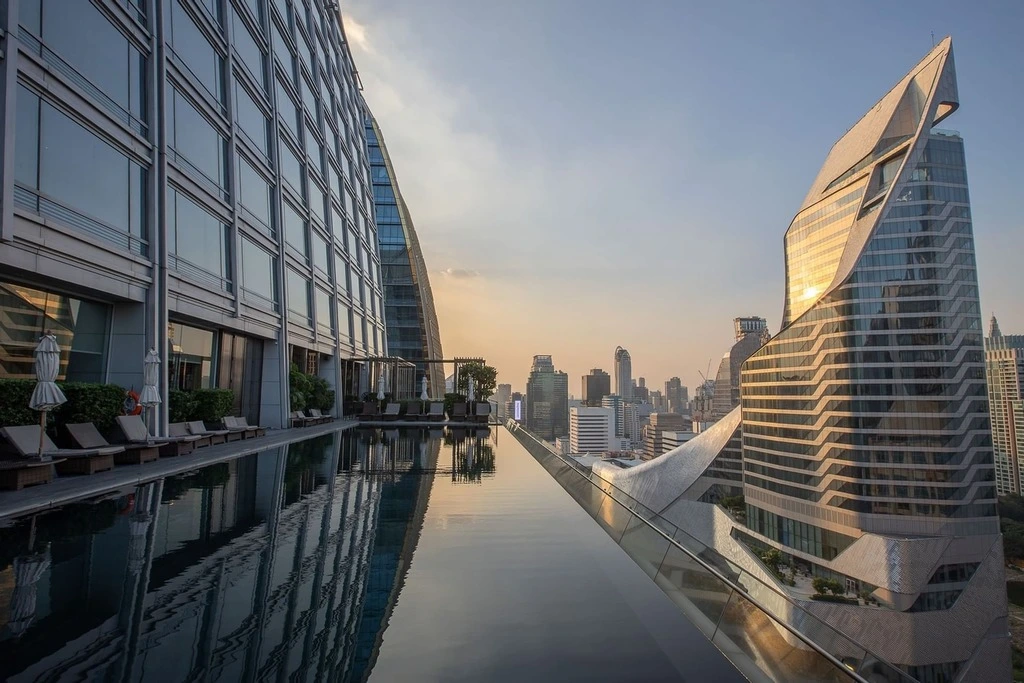
The Okura Prestige Bangkok
- From $175 (€162) per night (Deluxe Room with Club Access)
- Central location with a sky-high infinity pool and direct BTS access

MUU Bangkok
- From $140 (€130) per night (Studio Room)
- Trendy Thonglor location with rooftop pool and boutique vibe
👉 You might also like:
– 12 Best Places to Stay in Thailand – Top Family Picks
– Best Snorkeling Spots in Thailand
– Top 5 Thailand Coffee Brands You Need to Try
– When is the Cheapest Time to Fly to Thailand?
– 35 Interesting Facts About Thailand, I Bet You Didn’t Know
Is It Rainy Season Right Now? Quick Answer by Region
This is one of the most-searched questions about Thailand weather, so here’s the short version:
- Bangkok and central Thailand: Rainy season runs May to October. Peak rain is August and September.
- Phuket, Krabi, Khao Lak (Andaman coast): Rainy season runs May to October. Worst months are September and October, with rainfall hitting 300-400 mm.
- Koh Samui, Koh Phangan, Koh Tao (Gulf coast): Rainy season runs October to early December. November is the wettest month, with over 500 mm possible.
- Chiang Mai and northern Thailand: Rainy season runs June to October. August and September are the muddiest.
So yes, Thailand’s rainy season depends entirely on which coast you’re visiting. The two coasts run on opposite schedules, which is actually useful if you’re flexible about where you go.
Key Takeaways
- – Rainy season runs May to October on the west coast (Bangkok, Phuket, Krabi) and October to December on the Gulf islands (Koh Samui, Koh Phangan, Koh Tao)
- – September is the rainiest month for Bangkok and Phuket, up to 300-400 mm
- – November is the wettest month for Koh Samui and Koh Phangan, sometimes topping 500 mm
- – Rain is usually short afternoon bursts, not all-day downpours, most mornings stay sunny
- – Low season flights can be up to 40% cheaper than peak season prices
- – Flooding is possible after heavy multi-day rain, especially in areas with poor drainage
- – The best dry season across most of Thailand is December to March
Final Thoughts on the Rainy Season in Thailand
There’s not enough real info out there. I’ve read so many guides that just say “rainy season lasts from May to October.” But it’s not that simple.
It totally depends on where you’re going and what kind of trip you want.
Let me know in the comments: Would you travel to Thailand in the rainy season? Or have you done it already? I’d love to hear your story!
Thank you for reading and for making me part of your day!
Yours, Lulu
Frequently Asked Questions
When is the best time to visit Thailand for good weather?
The best months for good weather are December to March, when most of Thailand enjoys dry skies, cooler temperatures, and lower humidity. It’s also peak season, so expect more tourists and higher prices. If you want a balance of decent weather and lower costs, November is a sweet spot for Bangkok and Phuket, just avoid the Gulf islands that month.
Is rainy season a good time for outdoor activities or national parks?
It depends on the park and the activity. Khao Sok and Khao Yai are stunning in green season, lush jungle, full waterfalls, but trails can be muddy and slippery. For water sports, always check sea conditions first. Strong winds and rough Andaman Sea swells can cancel boat tours, especially from September to October.
Are ferry services and tours affected during rainy months?
Yes, especially at peak rainy season. Ferry services on the Andaman Coast (to Phi Phi Island or Koh Lanta, for example) can be canceled due to rough seas or heavy storms. Gulf coast ferries can also be disrupted in November. Always check weather updates before you book and keep your schedule flexible, this is not the time for a tight itinerary.
What’s the hottest time of year in Thailand?
The hot season runs from March to early May, with temperatures often above 38°C (100°F). Early April is especially brutal. It’s also when Songkran (Thai New Year) falls, which involves throwing water at strangers in the street. Not a bad way to cool off.
What is the rainiest month in Thailand?
It depends on the region. September is the rainiest month in Bangkok and on the Andaman coast (Phuket, Krabi), with rainfall often exceeding 300-400 mm. On the Gulf islands (Koh Samui, Koh Phangan), November is the wettest month, sometimes topping 500 mm, so the two coasts are basically on opposite schedules.