

What Are the Best Tips for Hiking With Kids?
The best tips for hiking with kids are: let them lead the way, bring plenty of snacks, build in 50-100% extra time, create trail games and tasks, and start with short easy trails. Children need variety, ownership, and fuel to stay happy on a hike. Give them a magnifying glass, let them take photos, invite their friends along, and always celebrate what they achieved, no matter how far you got.
Hiking with kids is great! You spend time together outside, have adventures, and exercise, afterward, the little ones are tired and happy. If there wasn’t this one problem: boredom! Hardly any child can spend hours enjoying nature and beautiful views like their parents.
So, how to keep the kids entertained? Here, I have collected my best tips for hiking with kids.
Tip 1: Bring a Magnifying Glass
This tool is simple and brilliant. Because equipped with a magnifying glass, kids immediately feel like real researchers. They can observe insects and plants and discover new things.
Tip 2: Let Them Lead the Way
When kids are given responsibility, a hike is immediately much more exciting for them. So let them find the way. Most hiking trails are marked with paint, signs, or ribbons. When kids have to figure out where to go themselves, it feels like a scavenger hunt right away. For older children, a compass can also be attractive.
Tip 3: Sing, Sing, Sing
There is a good reason why there are so many old hiking and sailing songs. Singing together on the way brings everyone closer, passes the time and is fun. So find some lovely songs and learn them together on your next hike.
Tip 4: Get to Know Each Other Even More
My husband and I have had the best conversations on hikes so far. There are no distractions from electronics or other people, and you can sink deep into a topic. The same works with kids. You just have to be a bit more creative about it. For example, ask questions like “What was the greatest thing that happened to you today?”, “What was the last thing that annoyed you so much that you cried?” or “If you had a superpower, what would it be?”. Look forward to the surprising conversations that will happen!
Tip 5: Pack Snacks and Drinks
Being hungry is the number one bad mood maker, right?! So make sure you always have enough snacks when hiking with kids. Cereal bars, fruit, sandwiches, gummy bears, dried fruit, it doesn’t matter what, the only important thing is that it’s easy to stow away and to eat.
And yes, gummy bears deserve their own mention. On a long hike, your body burns through glucose quickly, and simple sugars are the fastest way to top it back up. For kids, this is even more important. Their energy dips fast and their mood follows immediately. A handful of gummy bears at the halfway point can genuinely rescue a hike that was heading sideways.
Tip 6: Take Your Time
It’s the same for us adults: if we’re constantly being pushed and interrupted, it’s less fun, no matter what! Children feel the same way. So if a hike is scheduled for 2 hours, realistically add another 50-100% on top. You will be slower, you will stop for things, and the breaks come much more often.
Tip 7: Remember, The Way Is the Goal
Actually, I wouldn’t say I like this saying. But in this case, it is true. Because if you are determined to climb a peak or reach a waterfall, and something gets in the way, don’t be disappointed. Sometimes, it’s just not meant to be. Turn around, be happy about the trip, and try again tomorrow, perhaps better planned and prepared.
Tip 8: Pack the Essentials
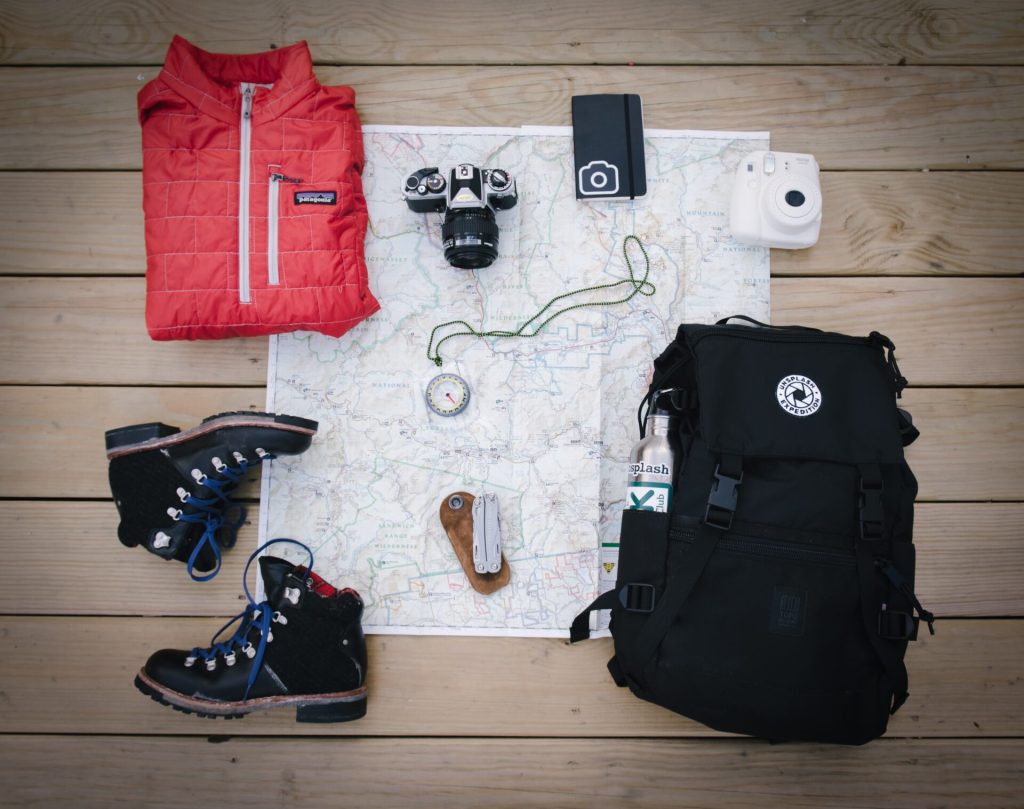
Depending on where and how long you are hiking with kids, you should be well prepared. Essentials could include:
- mosquito spray
- sunscreen
- caps or hats
- rain jackets
- long pants and shirts
- enough water and snacks
- diapers and wet wipes
- change of clothes
- swimwear
- a towel or cloth
Tip 9: Learn New Things and Discover Together
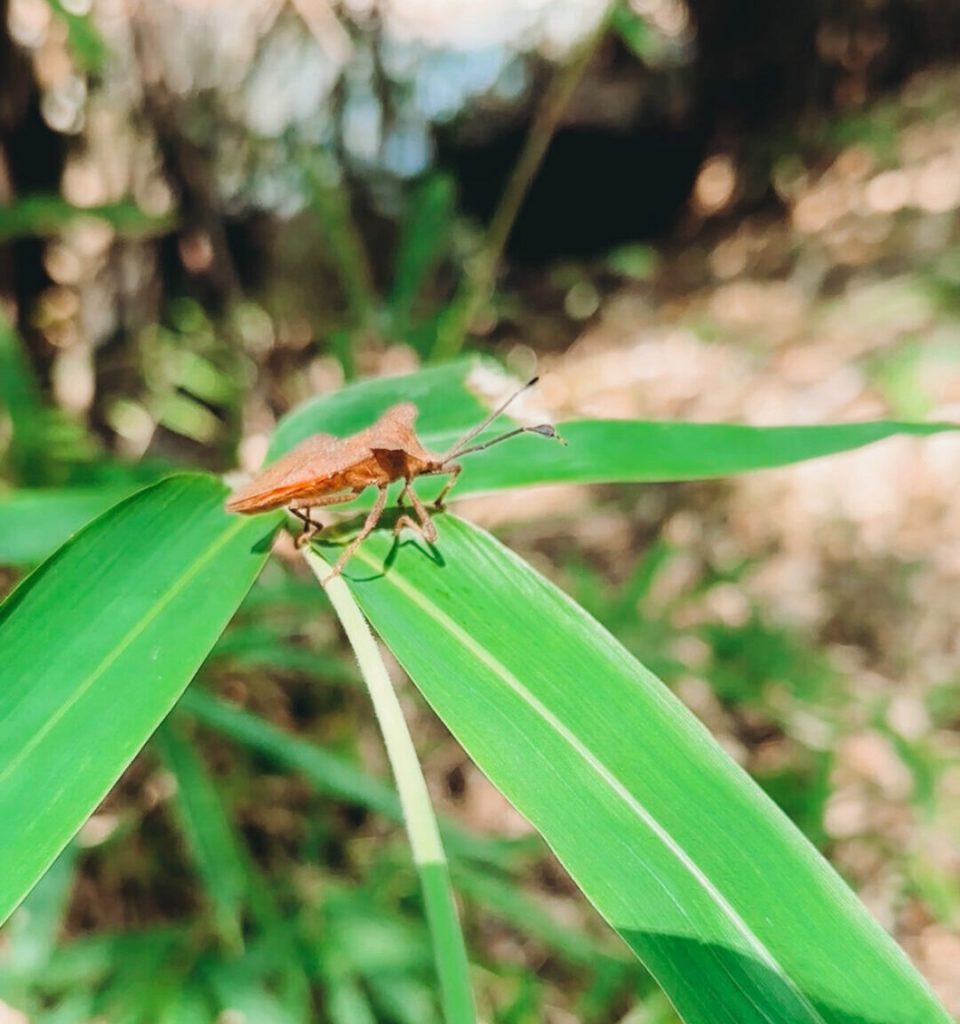
Maybe you are the absolute outdoor pro and know every plant and every leaf. Then you can teach your child a lot yourself. If not, learn together! For example, discover a funny bug or a beautiful flower and find out information about it, e.g. via Google.
Tip 10: Exercise Regularly
If hiking with kids happens once or twice a year, your kids won’t last long. Constant, slow walking requires a lot of stamina and cannot be compared with short, wild romps. Try to hike regularly with your kids so they get used to it and become fit.
Tip 11: Vary the Routes
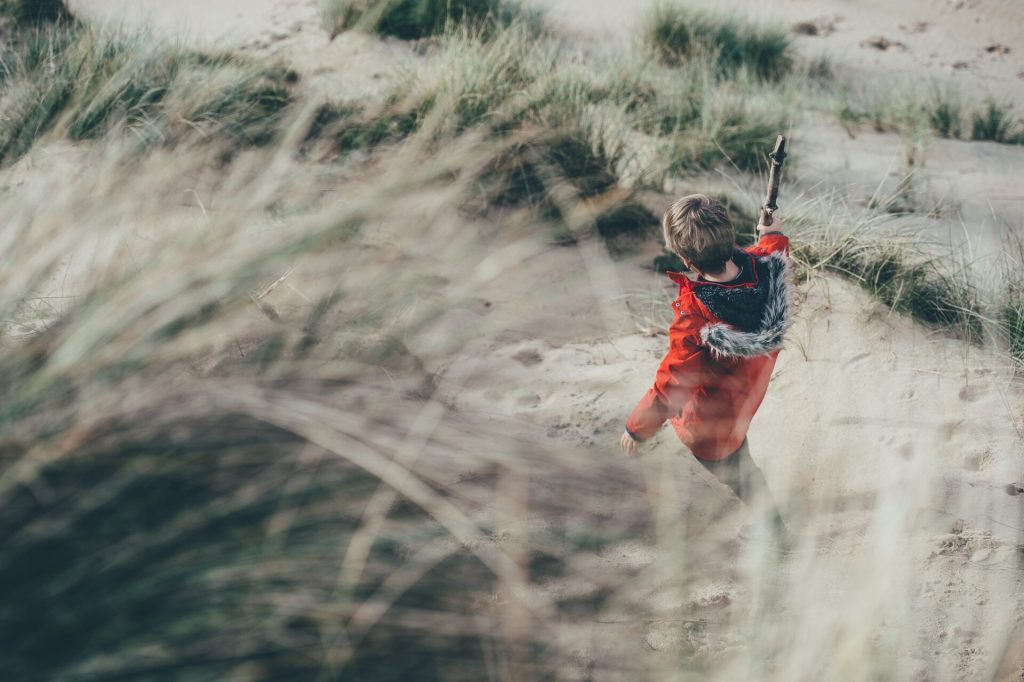
On a family vacation, you will probably automatically try different hiking trails. But if you are in one place for a longer time, try to vary the routes as often as possible to keep it exciting for your kids. Also, let your kids choose the hiking route to motivate them even more.
Tip 12: Create Cool Tasks
Small tasks or little competitions make every hike better! Our current favorites while hiking with kids:
- Collect ten different types of leaves!
- The first one to see a dog, cat, chicken, or sheep is the winner!
- Find an ant colony, a spider web, or a bird’s nest!
Tip 13: Hike with Friends
I mean your friends and, just as much, your children’s friends. Nothing is better than going on an adventure hike with your best friend, right? Much cooler than with boring parents.
Tip 14: Celebrate Your Little Heroes
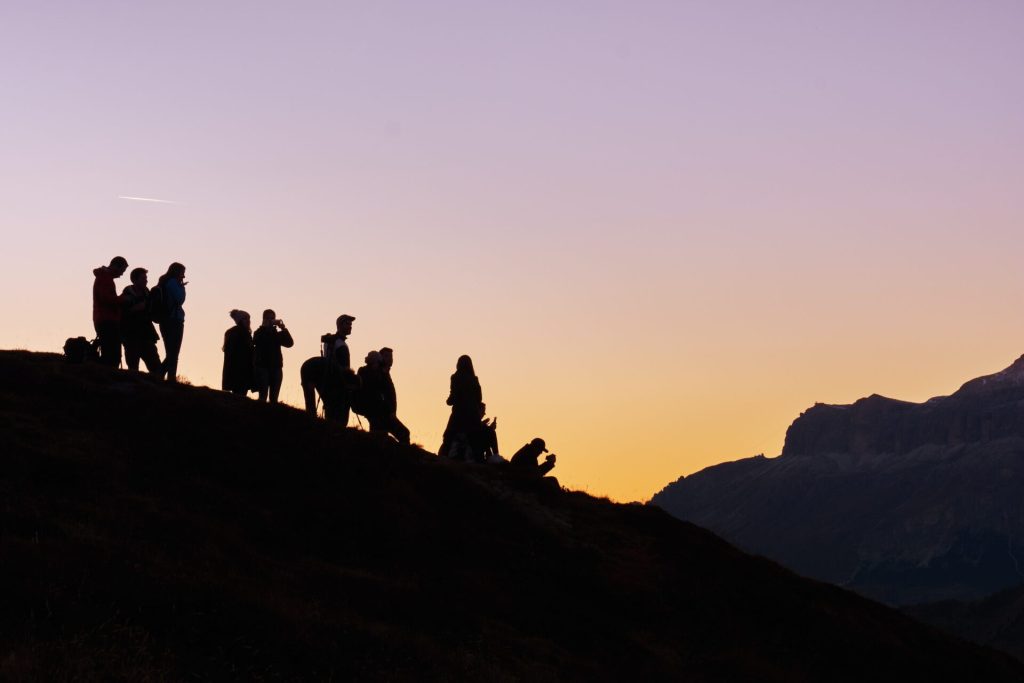
Your kids did a whole hike with you, or at least tried? Congratulations! Tell them how proud you are of them, that this is not a matter of course, and how strong they are! That keeps them motivated.
Tip 15: Let Them Take Pictures
Of course, you take photos and videos of your trips. But how about letting the kids take pictures, too? We bought a little kids’ camera for our 5-year-old. It is indestructible, it lets her see the world her own way, and proudly show us her photos later. On top of that, the outcome is sometimes hilarious.
How Far Can Kids Actually Hike? Age-by-Age Guide
One of the most common questions parents ask before a family hike is: how far is too far? The honest answer depends on fitness, terrain, and the child, but here is a rough starting framework.
A general rule is 1 km per year of age on a comfortable, flat trail with regular breaks. That means a 4-year-old can realistically manage 3-4 km, a 7-year-old around 6-7 km, and a 10-year-old can tackle a solid half-day trail of 8-12 km if the ascent is gradual.
But fitness matters more than age. A 6-year-old who hikes every weekend will outlast a sedentary 9-year-old every single time. Start small, track what works, and build from there. The trail is not going anywhere.
Safety on the Trail: What Every Hiking Family Should Know
Hiking with kids is safe, but a little preparation goes a long way.
Tell someone where you are going and when you expect to return. On longer trails, give each child a whistle and teach them the rule: three short blasts means “I need help”. Dress kids in bright colours so they are easy to spot.
For sun and heat, cap and sunscreen are non-negotiable. On warm days, schedule your start for early morning and plan to be back before noon. Watch for signs of overheating: flushed face, irritability, and stopping to sit down without reason.
For wildlife, teach kids to look but not touch. Most encounters are harmless, but it is a good habit to build early.
And always carry more water than you think you need. Dehydration creeps up on kids fast.
How to Find Hikes Suitable for Children
When we arrive at a new place, we just ask around: other families, locals, guides, whoever. What trails work with kids? Otherwise, you can always use good apps like AllTrails, Koomot, or MAPS.ME.
Key Takeaways
- Let kids lead with trail markers. It feels like a scavenger hunt.
- Pack weight rule: max 20% of the child’s body weight.
- Budget 50-100% extra time. Stops happen constantly.
- Gummy bears restore energy fast mid-hike.
- Magnifying glass turns any trail into a science lesson.
- Any age works. Babies hike in a carrier from day one.
- Celebrate every hike. Motivation carries into the next one.
- Use AllTrails or MAPS.ME to find family-friendly routes.
How do you keep your kids entertained on hikes? Let me know in the comments! Thank you for reading and for making me part of your day!
Yours, Lulu
Frequently Asked Questions
What is the best age to start hiking with kids?
Any age works. Babies can hike from birth in a carrier. Toddlers can walk short flat trails from around age 2 or 3. The key is choosing a trail that matches your child’s current fitness level, not a target age.
What is the 20% rule for kids’ backpacks?
The 20% rule means a child’s backpack should weigh no more than 20% of their body weight. For a 25 kg child, that is a maximum of 5 kg. For younger kids, aim for even less: water, a snack, and a small personal item is plenty.
Why do hikers eat gummy bears on the trail?
Gummy bears provide fast glucose, which restores energy quickly during sustained physical effort. Simple sugars digest faster than complex carbs, making them ideal for a mid-hike energy boost. For kids especially, a small sugar hit can prevent a full mood crash on the trail.
How do you keep kids entertained on a hike?
Give kids a job: let them lead using trail markers, carry a magnifying glass for nature discoveries, collect different types of leaves, or take photos with their own camera. Trail games, conversation questions, and inviting their friends along all help enormously.
What are the best hiking snacks for kids?
The best hiking snacks for kids are easy to carry and eat on the go: cereal bars, fruit, sandwiches, gummy bears, dried fruit, and nuts (for older kids). Pack more than you think you need. Hunger is the fastest way to ruin a hike.
Can a 3-year-old hike 4 miles?
Most 3-year-olds are not ready for 4 miles (about 6.4 km). A comfortable distance for a 3-year-old is 1-3 km on a flat, easy trail with frequent stops. Build up gradually and always have a carrier as backup for when little legs give out.
How much extra time should you budget for hiking with kids?
Budget 50-100% more time than the trail guide suggests. Kids stop constantly, explore, ask questions, and need snack breaks far more often than adults. A trail that takes you 2 hours alone may take 3-4 hours with young children.



2 Responses
Thanks a lot for your feedback! That means a lot!