


How Do You Maintain a Healthy Mindset as a Digital Nomad?
Maintaining a healthy lifestyle as a digital nomad comes down to building simple, portable habits: staying hydrated, scheduling workouts like meetings, eating whole foods over processed snacks, protecting sleep, and getting outside regularly. The biggest shift is treating your health as a non-negotiable priority rather than something you'll get to when things calm down, because with nomad life, things rarely calm down on their own.
It is pretty difficult to maintain a healthy lifestyle as a digital nomad. We travel a lot, have to find our way around new places and adapt to the local cuisine. On top of that, there’s work and the family. So how can you maintain a healthy lifestyle even as a Digital Nomad Family? I have some tricks for you here.
Key for a Healthy Lifestyle: Stay Hydrated
As simple as effective! Just always have a large water bottle with you. We swear for years on Hydro Flask. Every member of the family has one. You can keep track of your water income through an app like Water Reminder if it helps you.
Prioritize your Health
This tip is essential. Because if you put your health last, it can quickly be forgotten. Therefore, plan fixed times for sports. Even or especially when you have to work a lot. Agree with your partner who will take over the kids so that the other can go for a run. Put your sports times on the shared calendar and stick to them.

Find Physical Activities
When you arrive in a new place, try quickly finding out where you can exercise. Be it a gym, a local sports club, a yoga school, or places in nature you can use for your workouts. Also good: find a sports buddy and pick activities you can do anywhere without much effort: for example, HITT training or jumping rope. Whenever you have time: Grab your family and explore the new surroundings on a hike.
Get Enough Sleep
All parents will laugh now, I know. I can’t remember the last time I slept for 8 hours straight. But even though parents don’t have infinite power over their sleep rhythm, they can decide to go to bed early. For example, we never try to go to bed later than 22:30. Boring, I know.
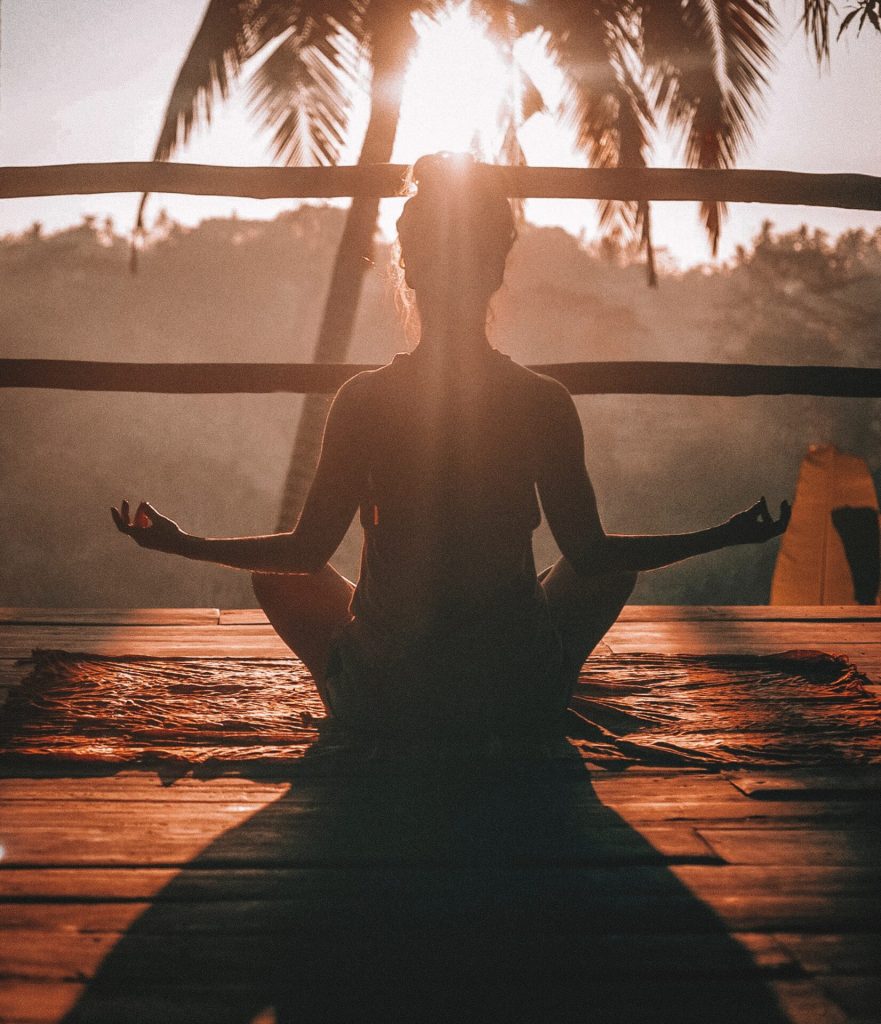
Maintain a Healthy Mindset
Everyone has their way of unwinding and clearing their head. Some need to sweat it out in a martial art, while others meditate or practice mindfulness. No matter what is the right way for you, try to follow that. Always remember: Your body is your vehicle. The saying “A healthy mind needs a healthy body” is no coincidence.
Limit Alcohol and Caffeine consumption
I could not live without coffee. And by now it is fairly settled that coffee in moderate amounts is fine. But studies have also shown that Alcohol, even in the most minor quantities, is unhealthy and destroys brain cells. So the idea that “a glass of wine a day is good” has long been outdated. Still, I think one should not be so strict here. But you can keep an eye on it.
Plan Healthy Meals
Other people are great at this. I am not. Prepping healthy food and carrying it around just never works for me. So my trick is to try to buy yummy healthy snacks at the local supermarket, such as nuts, fruits, and muesli bars. The whole family can have them before anyone gets hangry. What helps me additionally is to visit restaurants with a good selection of healthy dishes. And here we are again on the topic of prioritizing: I’d rather spend more money on healthy food than on clothes, for example, or other stuff that doesn’t have a high priority.

Connect with Nature
A recent study found that spending 120 minutes outside each week, which can be broken up into smaller blocks of time, was associated with better health and well-being. Another one revealed that just 30 minutes of outdoor time could lower blood pressure by almost 10%. That’s your sign to go outside!
How do you manage to maintain a healthy lifestyle as a digital nomad? Do you have good health insurance while traveling? Let me know in the comments! Thank you for reading and for making me part of your day!
How Do You Avoid Burnout as a Digital Nomad?
Burnout is one of the most common health complaints in nomad communities. When work, travel logistics, parenting, and life admin all land on your plate at once, it's a lot. And because there's no commute to mark the end of the workday, the lines blur fast.
The fix is building micro-recovery into the daily routine. A two-week holiday once a year does not do it. That means one low-stimulation block per day, even 20 minutes of doing genuinely nothing, no podcast, no scroll. It also means slowing down your travel pace. You don't have to move every two weeks. Staying in one place for a month or more gives your nervous system a chance to settle.
For us, slow travel has been the biggest burnout shield. When you're not constantly hunting for the next apartment, the next SIM card, the next gym, you can actually enjoy the place you're in.
What About Health Insurance for Digital Nomads?
This one doesn't get talked about enough in healthy-lifestyle guides, and it should. Because no matter how many nuts and veggies you pack, things happen. Stomach bugs, twisted ankles, a kid with a high fever at 2 a.m.
As a nomad family, we use international health insurance rather than relying on travel insurance, which typically only covers emergencies. International health insurance gives you access to clinics and hospitals in most countries and usually covers routine care too, which is the stuff you actually use.
If you're just starting out, SafetyWing and Cigna Global are two well-known options worth comparing. Always check whether your destination countries are covered and what the deductible looks like before committing. Good health starts with knowing you're covered when something goes wrong.
Key Takeaways
- Carry a large water bottle everywhere. Always.
- Schedule workouts on your calendar like meetings.
- Scout local gyms or parks within 24 hours of arriving.
- Bedtime discipline matters more than sleep duration.
- Spend at least 120 minutes outside each week.
- Healthy snacks in your bag prevent hangry bad decisions.
- Slow travel is the best burnout prevention tool.
- International health insurance is non-negotiable for nomads.
FAQ
What is the biggest health challenge for digital nomads?
The biggest challenge is consistency. Gyms change, routines break, food options vary wildly by country, and sleep gets disrupted by travel and time zones. The nomads who stay healthy long-term are the ones who build portable habits that work anywhere, not ones that depend on a specific place or setup.
How do digital nomads stay fit without a gym?
Bodyweight training (HIIT, push-ups, squats, jump rope) requires zero equipment and works in any apartment or park. Many nomads also use yoga, hiking, swimming, and local sports clubs as their primary fitness. The key is scouting fitness options within the first 24 hours of arriving somewhere new.
What should digital nomads eat to stay healthy on the road?
Focus on whole foods you can find at any local supermarket: nuts, fruit, eggs, yogurt, and vegetables. Visit restaurants with a real food menu rather than fast food. Keep healthy snacks in your bag so hunger doesn’t force a bad choice. You don’t need to meal-prep perfectly. A bag of nuts and some fruit will cover most gaps.
Is 30 too old to be a digital nomad?
No. Thirty is not too old to be a digital nomad. Many people begin nomadic life in their 30s and 40s with more financial stability and self-awareness than they had in their 20s. Health-wise, the lifestyle is highly adaptable at any age, as long as you build in proper sleep, nutrition, and recovery habits.
What is the downside of being a digital nomad?
The main downsides are inconsistency (no fixed gym, doctor, or routine), loneliness, burnout from constant logistics, and unreliable health coverage if you don’t have international insurance. These are manageable with planning, but they are real. Slow travel, a strong remote community, and good health insurance address most of them.
Do digital nomads need international health insurance?
Yes. Travel insurance typically only covers emergencies, not routine care. International health insurance gives nomads access to clinics and hospitals across most countries, covers ongoing prescriptions, and removes the financial stress of getting sick abroad. SafetyWing and Cigna Global are two commonly used options for nomad families.



2 Responses
Lulu I love each of your tips. Practicing mindfulness has helped me immensely as a 12-year digital nomad.
Ryan
Hi Ryan, thank you so much for your feedback! Wow, 12 years! That’s quite some time on the road! I just had a look on your blog and love it! Tons of helpful tips for bloggers!